
Small Bathroom Design Ideas That Maximise Your Existing Space
Having a small bathroom can be frustrating. However, it's something a massive number of customers have to deal with, it's our job to help you navigate these situations. Let's be real - unless you start knocking walls down and changing the building, it's essentially a case of making the room feel larger by a manner of "illusion" - there are lots of ways to do this, which we have listed below.
Use Vertical Space
When you only have a small space to work with, the lowest hanging fruit is vertical space - it generally gets wasted. There are numerous options like slim tallboys, shelving units, and even storage above doors that can make a real difference. By adding items like these, you can keep the floor area as clear as possible, which makes the room feel more spacious and inviting.
Different Door Types
Both pockets doors and sliding doors are viable options to save space in small bathrooms. However, pocket doors can be an absolute nightmare if anything ever goes wrong with them - the whole wall needs ripping for any repairs. Sliding doors are less restrictive in that sense. You'll gain space for storage and improve the layout possibilities by deciding against a regular door system.
Eliminate Bulky Items
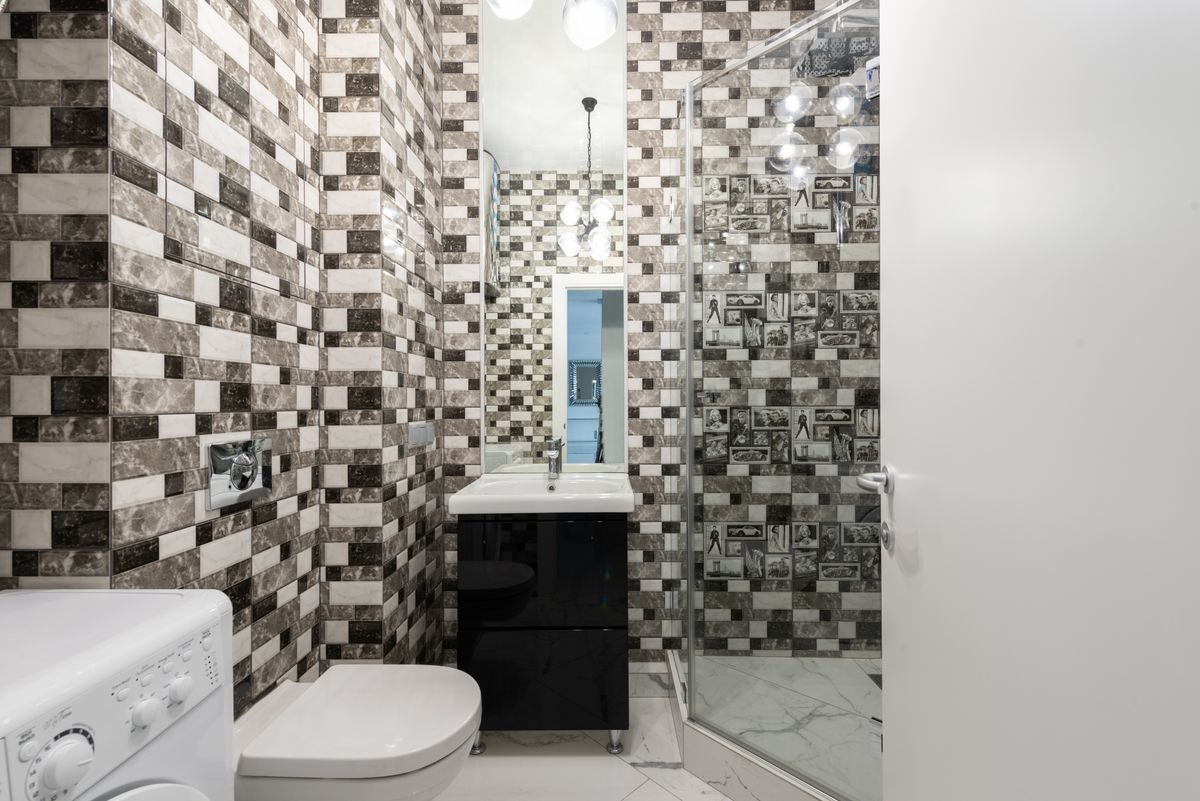
Whether it's a wall-hung toilet or a compact vanity unit, there are numerous ways to save space by opting for more ergonomic items, which also save floor space and make the room feel larger. The illusion of a larger room actually makes all the difference in bathrooms, it's not all square meterage.
Lighting = Top Priority
The brighter and more layered you can get the lights, the better. For example, overhead lights and mirror lights are a great combination. These options make small bathrooms feel less cramped. Especially with mirrors seeing as they reflect both natural light and artificial light, so they really help with the illusion of a larger room as well.
Shower Type
In small spaces, walk-in showers coupled with clear glass are brilliant. By getting rid of regular shower screens or other visual barriers, the perceived footprint improves a massive amount. The same goes for low-profile shower trays or wet-room style floor that keep the space clear and open.
Pick Your Colours Wisely
As we discussed initially, the psychology and "illusion" of a larger space is critical. This is why we always recommend light colours for Plymouth homeowners because dark and bold colours often chop the room in a visual way. Whatever colour you go for, make sure to match it across the walls and floors to create a continous visual effect.
Use Built-In Storage (Niches)
Small bathrooms are not designed to house large, bulky storage units. You need to opt for built-in storage that integrate with the vanity unit, as well as built-in niches in the shower and corners of the room. You can also use recessed shelving units as an option. Built-in cupboards are even better if the building allows for it.
Dump The Accessories
Large items and unnecessary products are not designed for tight bathrooms - we need to be thinking slim towel rails, little soap dispensers, and little to no additional accessories that take up valuable floor space. For example, the washing basket or large storage unit can be put elsewhere.
Furniture Selection - Floating is Best, Ditch the Rest
By choosing a floating vanity unit, you can save a lot of floor space, similar to the situation above with the floating toilet.
Modern and Multifunctional Fixtures Are Perfect
You can easily save a high amount of space by using simple combinations like vanity unit + mirror, towel rail serving as a radiator, or vanity unit + laundry storage.
You might also like
Bathroom Fitters Plymouth