
Bathroom Waterproofing and Tanking in Plymouth: Why It Matters and What It Costs
Waterproofing is the part of a bathroom nobody sees and almost everybody underestimates. Tiles and grout are not waterproof on their own, whatever the showroom implies, and the layer that actually keeps water out of your structure is the tanking membrane hidden behind them. In Plymouth, where post-war timber floors, solid walls and constant coastal humidity all conspire against a bathroom, getting this layer right is the difference between a room that lasts 20 years and one that quietly rots from the inside. Proper tanking typically adds £150 to £600 to a bathroom project depending on the area covered, yet skipping it is the single most expensive mistake a homeowner can wave through. Around 90% of the shower leaks trades are called to trace back to inadequate waterproofing rather than a faulty fitting. In a city that sees roughly 1,000mm of rain a year and winter humidity above 80%, this is the layer worth understanding before any tiling starts. Here's how it works and what it costs.
What Bathroom Tanking Actually Is
Tanking means sealing the walls and floor of a wet area with a continuous waterproof membrane before any tiling goes on, so that water can never track into the structure behind. The word comes from the idea of turning the shower zone into a watertight tank. It is a completely separate layer from the tiles, sitting between the wall board and the adhesive, and it is the layer that genuinely stops water, not the grout. If you're planning any wet work and want to know what your walls actually need, Bathroom Fitters Plymouth can survey the room and tell you honestly where tanking is essential and where it isn't.
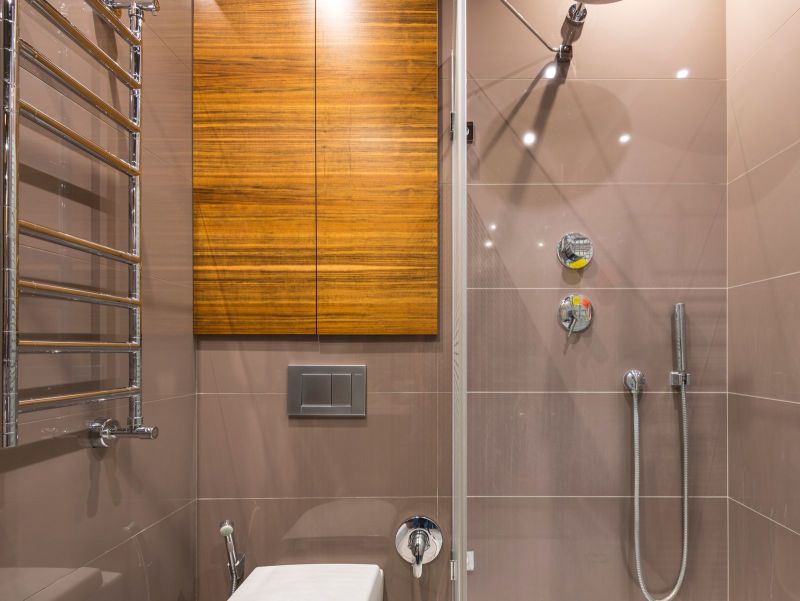
A lot of homeowners assume tiles and grout do this job. They don't. Grout is porous and cementitious, and over time it absorbs and passes moisture, which is why an untanked shower can look perfect for two years and then start staining the wall next door. Roughly 70% of the water-damage repairs we see in older Plymouth bathrooms come down to this single misunderstanding.
Tanking is not needed on every surface. The critical zones are inside the shower enclosure, the floor of a wet room, and any wall that gets direct spray. A splashback behind a basin rarely needs full tanking, but the area around a bath and shower always does. Getting the coverage right keeps the cost sensible without cutting corners where it counts.
The Main Types of Waterproofing Membrane
There are three membrane systems you'll come across, and each suits a different situation. Liquid-applied membranes are painted or rolled on like thick paint, usually in two coats, and are the most common choice for a standard shower. They cost around £8 to £20 per square metre in materials and cope well with awkward shapes and pipe penetrations. For a typical Plymouth shower zone, that's £120 to £300 in membrane before labour.

Sheet membranes are self-adhesive rolls stuck to the wall or floor, giving a guaranteed even thickness that a liquid coat can't always match. They cost a little more at £15 to £30 per square metre but are the go-to for full wet rooms and level-access floors where the waterproofing has to be flawless. The third option, tanking boards, are pre-waterproofed backer boards that replace ordinary plasterboard entirely, running £25 to £45 per board but saving time because they combine the wall surface and the membrane in one step.
Which system fits depends on the room. Solid-wall Victorian terraces in Plymouth often suit tanking boards because they double as a flat, tileable surface over uneven brick. Suspended timber floors, common in the city's post-war semis, usually need a flexible sheet or liquid system that can move slightly with the floor without cracking. Around 60% of our tanking jobs use a liquid system, with sheet and board making up the rest depending on the property.
What Waterproofing Costs in Plymouth for 2026
For a standard bathroom or shower in Plymouth, tanking as part of a wider refit typically adds £150 to £600 to the overall project. A single shower enclosure zone sits at the lower end around £150 to £350, a full wet-room floor and walls at the upper end around £400 to £800, and a large or awkward space more again. Materials are usually 30% to 40% of that figure, with the rest being the labour and drying time.
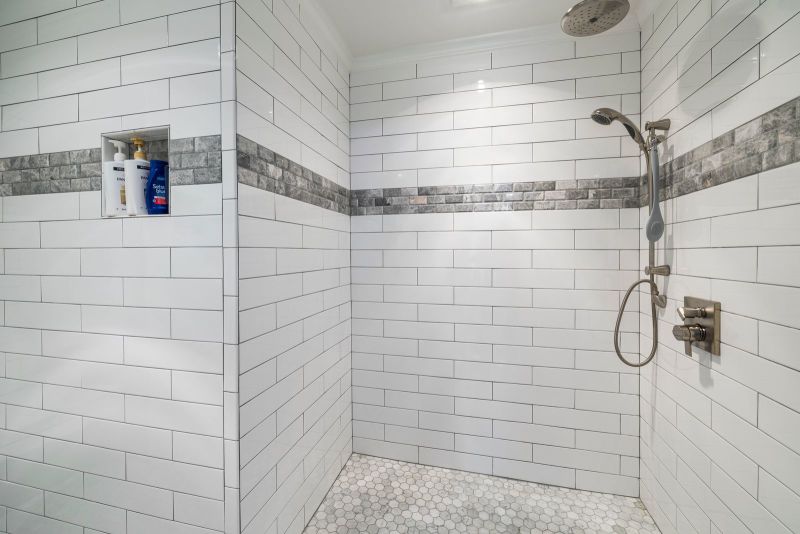
The reason the range is wide is that tanking is as much about preparation as product. Walls have to be sound, dry and dust-free, corners and floor-to-wall joints need reinforcing tape or fillets, and pipe penetrations need sealing collars. Skip any of those and the membrane fails at exactly the weak point it was meant to protect. Around 80% of tanking failures we investigate happen at a joint or a pipe entry, not in the middle of a wall.
Plymouth pricing sits fractionally below the UK city average because Devon labour rates run a touch softer than the South East. That said, good bathroom fitters in the city stay busy with a steady flow of renovation work and demand from the naval community, so the cheapest quote isn't always available at short notice. Tanking is not the place to chase the lowest price anyway, given what it protects.
Why Plymouth's Climate and Housing Make It Essential
Few UK cities put a bathroom under as much moisture stress as Plymouth. Sitting right on the Sound, the city deals with salt-laden air, mild but persistently wet weather, and winter humidity that regularly sits above 80%. That constant background moisture means any weakness in a bathroom's waterproofing gets found out quickly, and condensation adds to the load a membrane has to handle. A bathroom that might get away with poor tanking in a dry inland town simply won't here.
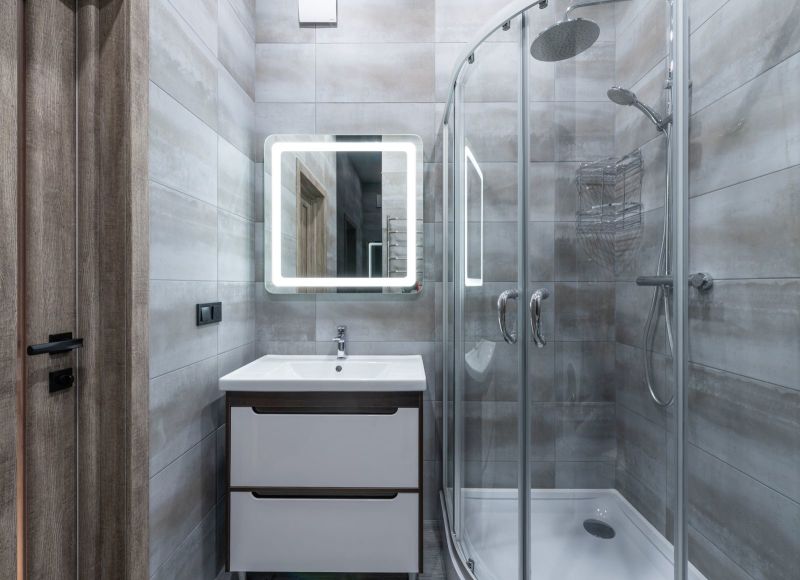
The housing stock compounds the risk. Plymouth was heavily rebuilt after the Second World War, leaving a large stock of post-war terraces and semis from the late 1940s and 1950s, many with suspended timber floors. A slow leak into a timber floor is far more damaging than into a concrete slab, because the water rots joists out of sight and the first sign is often a bouncing floor or a musty smell. Repairs at that stage run into thousands, against a few hundred pounds to tank the room properly in the first place.
Older Victorian and Edwardian streets that escaped the bombing bring their own issue: solid walls and lath-and-plaster surfaces that hold damp and can't be tiled directly. These almost always need overboarding and tanking together, which is why around 65% of the pre-1945 bathrooms we refit in Plymouth need a full waterproofing build-up rather than a simple membrane coat.
Building Standards and Doing It Right
Bathroom waterproofing is governed by recognised standards, and a fitter who follows them is worth seeking out. The relevant benchmark in the UK is British Standard BS 5385, which covers the design and installation of wall and floor tiling, including the waterproofing behind it. Reputable tanking product systems are also third-party tested, and using a matched system, where the membrane, tape, primer and adhesive all come from the same manufacturer, means the warranty actually holds if something goes wrong.
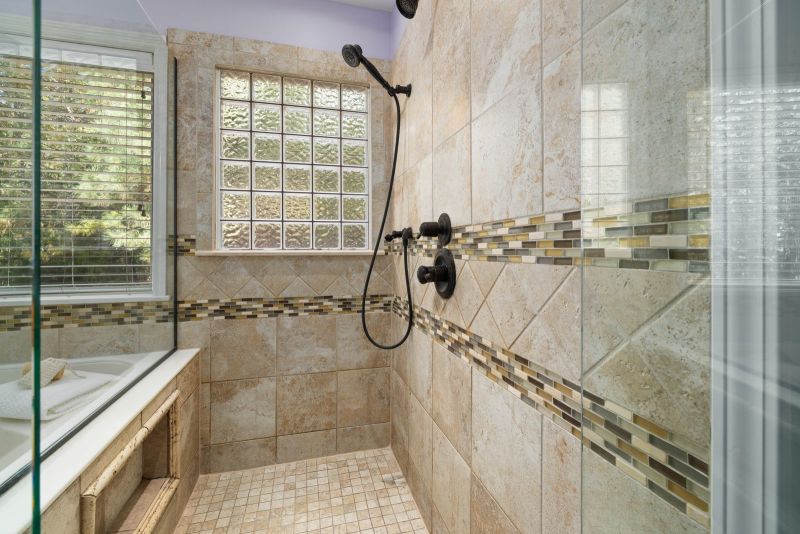
Because tanking ties into the plumbing and the wider bathroom build, it pays to check who you're hiring. The consumer group Which? sets out sensible steps for comparing and vetting tradespeople in its guidance on finding and hiring a tradesperson, which is a good starting point before you commit. For the plumbing connections that sit alongside the waterproofing, the WaterSafe register of approved plumbers lets you confirm your fitter is properly accredited, which matters because a leaking waste behind a freshly tanked wall undoes all the good work.
A properly tanked bathroom should be tested before tiling. Good fitters check the membrane is continuous and, on a wet-room floor, sometimes flood-test the tray area to confirm it holds water. That extra hour is cheap insurance against a fault that only shows up months later behind finished tiles.
Signs Your Bathroom Was Never Properly Tanked
Plenty of Plymouth homes have bathrooms that were tiled straight onto plasterboard with no membrane at all, and the signs show up over time. Loose or drummy-sounding tiles, grout that stains dark and won't come clean, a musty smell near the shower, or peeling paint and bubbling on the wall behind the bathroom are all classic symptoms. Around 40% of the older bathrooms we're called to inspect in the city turn out to have little or no waterproofing behind the tiles.
If you spot damp patches on a ceiling below an upstairs bathroom, that's a strong sign water is escaping the wet zone and tracking through the structure. Catching it early matters, because the cost gap between a re-tank and a full structural repair is enormous. A localised re-tank and re-tile of a shower zone might run £600 to £1,500, while replacing rotted joists and ceilings underneath can run several times that.
The frustrating part is that tanking is invisible once tiles go on, so you can't tell a good job from a bad one by looking. That's exactly why it's worth choosing a fitter who treats waterproofing as a proper stage of the build rather than an afterthought. We cover the wider picture of building a wet space in our guide to wet room installation in Plymouth, which is worth a read if you're planning a level-access design where waterproofing matters most of all.
---
FAQ
Q: Do I really need to tank my bathroom in Plymouth?
A: In the shower and wet zones, yes. Tiles and grout are not waterproof on their own, and Plymouth's coastal humidity above 80% in winter plus its many timber-floored post-war homes make hidden leaks especially damaging. Around 90% of shower leaks trace back to inadequate waterproofing, so tanking the critical zones is genuinely essential rather than optional.
Q: How much does bathroom tanking cost in Plymouth?
A: As part of a wider refit, tanking typically adds £150 to £600 to the project. A single shower enclosure zone sits around £150 to £350, while a full wet-room floor and walls runs £400 to £800. Materials are usually 30% to 40% of that, with the rest being labour and drying time.
Q: What's the difference between the types of waterproofing membrane?
A: Liquid membranes are painted on in two coats and suit standard showers at £8 to £20 per square metre. Sheet membranes are self-adhesive rolls giving guaranteed even thickness, ideal for wet rooms at £15 to £30 per square metre. Tanking boards are pre-waterproofed backer boards that replace plasterboard entirely at £25 to £45 per board, handy over uneven solid walls.
Q: Can I tile straight onto plasterboard without tanking?
A: In a splashback area away from direct spray, sometimes. In a shower or wet room, no. Grout is porous and passes moisture over time, so tiling untanked plasterboard in a wet zone is the leading cause of the water damage we see in older Plymouth bathrooms. The membrane, not the tiles, is what actually keeps water out.
Q: How do I know if my bathroom was never properly waterproofed?
A: Watch for loose or drummy tiles, grout that stains dark and won't clean, a musty smell near the shower, bubbling paint on the wall behind the bathroom, or damp patches on the ceiling below an upstairs bathroom. Around 40% of older Plymouth bathrooms we inspect turn out to have little or no waterproofing behind the tiles.
---
You might also like
Bathroom Fitters Plymouth