
Shower Enclosure Types in Plymouth: Options, Costs, and What Suits Your Bathroom
Picking a shower enclosure sounds simple until you stand in a showroom and realise there are pivot doors, sliders, bifolds, quadrants, walk-ins and wet-room panels all fighting for your attention. The right choice depends far more on your room shape and the quirks of your home than on the picture in the brochure. In Plymouth, where around a third of the housing stock predates 1945 and rooms are often small, awkward or set into solid walls, that matters more than most people expect. A new enclosure in the city typically costs between £350 and £2,500 fitted, with the glass and frame making up roughly 40% of that and labour the rest. Get the style right and you gain space, light and years of leak-free use. Get it wrong and you're squeezing past a door that won't fully open every morning. Here's how the main options compare, what they cost, and which ones suit Plymouth homes best.
The Main Shower Enclosure Types Explained
An enclosure is simply the glass, frame and door that keep water off the rest of the room. The type refers to the shape and how the door opens. The five you'll meet most often are quadrant, rectangular sliding, pivot or hinged, bifold, and walk-in panels. Each suits a different room shape, and roughly 70% of the enclosure decision comes down to your available floor space rather than looks. If you're not sure which shape your room can take, Bathroom Fitters Plymouth can measure up and tell you honestly what will and won't work before you spend a penny on glass.

Quadrant enclosures have a curved front and tuck neatly into a corner, which is why they're the go-to for the small bathrooms common in Plymouth terraces. Rectangular enclosures with sliding doors suit longer, narrower rooms because the door never swings outward. Pivot and hinged doors need clear space in front to open, so they suit larger rooms. Bifolds fold in on themselves and save that swing space, making them a favourite in tight cloakrooms.
The other factor is whether you want a tray or a level-access floor. A standard enclosure sits on a raised shower tray, while a walk-in or wet-room setup drains straight through the floor. Tray-based enclosures make up around 80% of installs we do in the city, mainly because they're cheaper and simpler to fit into existing floors.
Door Styles: Sliding, Pivot, Bifold and Walk-In
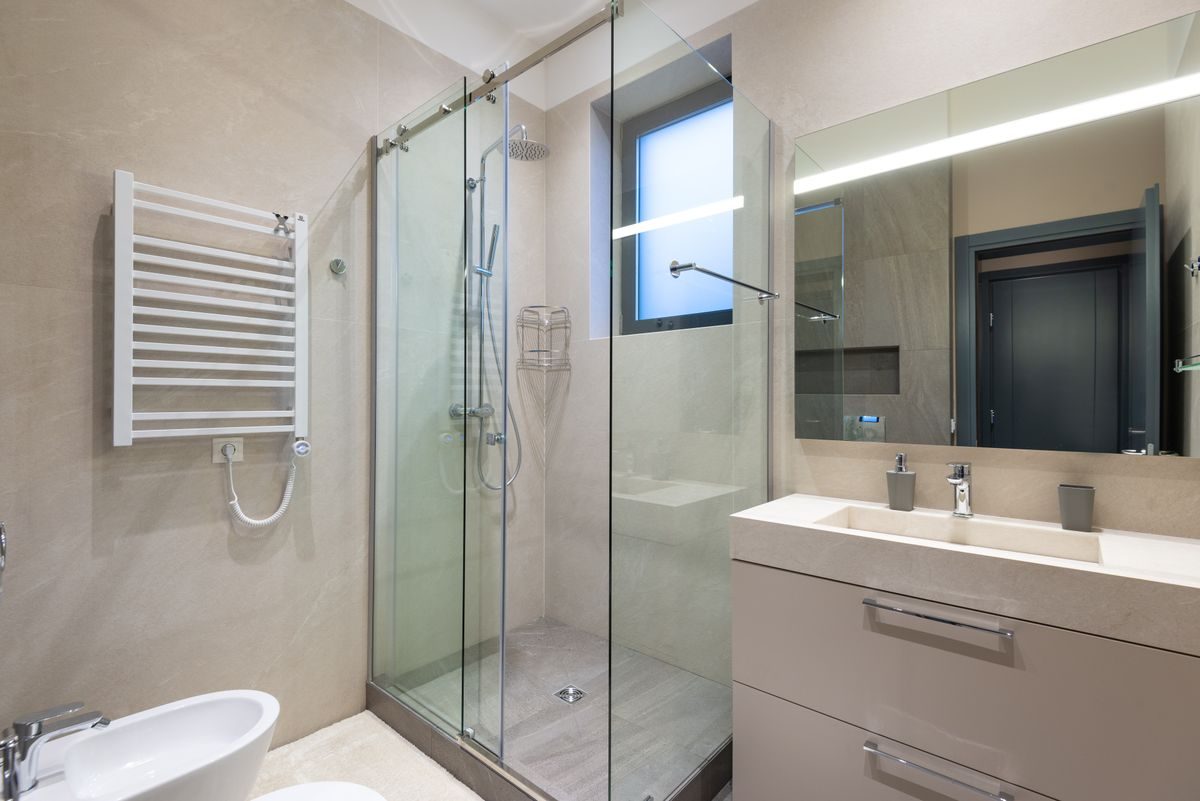
The door is the part you interact with every day, so it's worth thinking about how it behaves. Sliding doors run on a track and open sideways, needing zero clearance in front. That makes them ideal for the compact bathrooms in post-war Plymouth semis, where a swinging door would clatter into the basin or toilet. A quality sliding enclosure runs £400 to £1,200 fitted, though cheaper tracks can stiffen up over a few years, so the roller mechanism is worth paying for.

Pivot and hinged doors swing outward on a hinge and give the widest, most open entrance, which is why they feel more generous in a bigger room. They need 550mm to 650mm of clear space to open fully, though, and in a cramped room that space simply isn't there. Bifold doors solve that by folding inward, opening in as little as 300mm, which is why around 1 in 5 of the tight Plymouth cloakrooms we fit end up with a bifold.
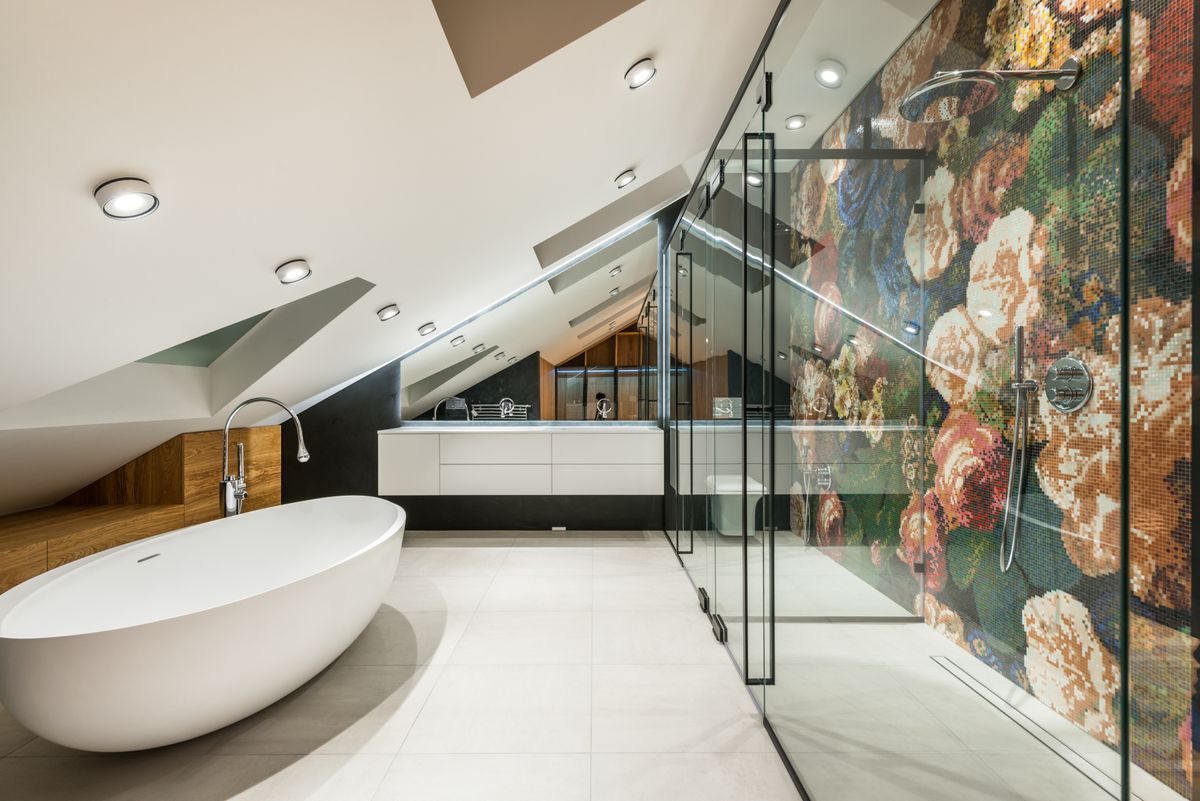
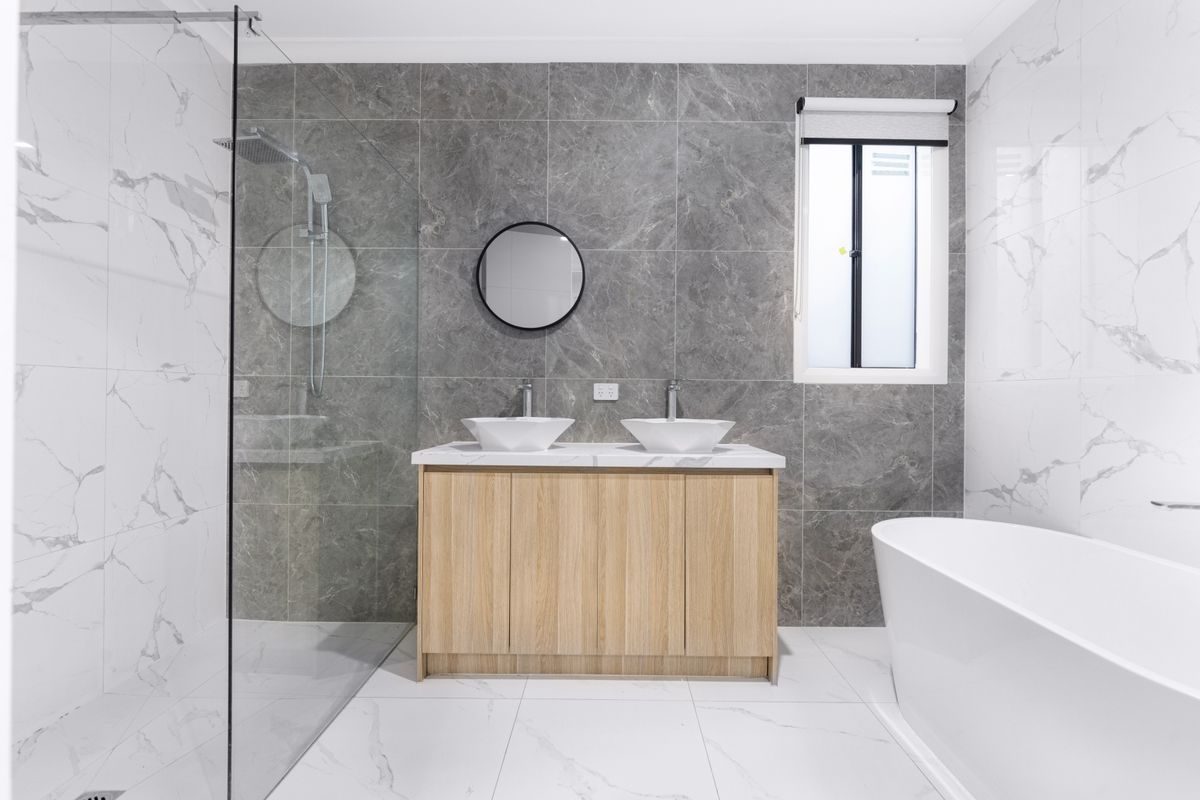
Walk-in enclosures skip the door entirely, using a single fixed glass panel with an open entry. They look sleek and are easy to clean, but they need a well-designed floor gradient to stop water escaping. In a damp coastal city that gradient has to be spot on, or you get puddles on the bathroom floor and the condensation problems that Plymouth's humidity already encourages.
Frame and Glass Options That Affect Price
Beyond shape and door, the frame and glass quietly decide both the price and how long the enclosure lasts. Framed enclosures wrap the glass in aluminium on all sides, which is the most affordable and hard-wearing option at £350 to £900. Frameless enclosures use thick 8mm to 10mm glass with minimal metalwork, look far more high-end, and cost £900 to £2,500. Semi-frameless sits in between at £600 to £1,400 and is the sweet spot for a lot of Plymouth homeowners.

Glass thickness genuinely matters. Budget enclosures use 4mm or 5mm glass, while 6mm is the sensible minimum and 8mm to 10mm feels reassuringly solid and rarely rattles. Thicker glass adds around 15% to 25% to the price but roughly doubles the perceived quality. Most modern glass also comes with an easy-clean coating, which is genuinely worth having in Plymouth because the hard-ish water in parts of the city leaves limescale spotting that plain glass shows badly.
One detail people forget is the finish on the metal parts. Chrome looks smart but the salt-laden air off Plymouth Sound corrodes cheaper plated fittings faster than it would inland. Brushed stainless, matt black powder-coat or properly marine-grade fittings hold up better and are worth the extra £50 to £150 over a 10 to 15 year lifespan.
Which Enclosure Suits a Plymouth Bathroom
The best enclosure for your home comes down to room size, layout and how the building is put together. Plymouth's Victorian and Edwardian terraces often have tall, narrow bathrooms carved out of former box rooms, and these suit rectangular sliding enclosures that make use of the length. Post-war council-built semis and terraces from the late 1940s and 1950s tend to have small, squarish bathrooms where a corner quadrant genuinely frees up floor space.

Solid-wall construction, which is common across older Plymouth stock, affects how the enclosure is fixed. Fixing brackets need proper wall plugs and sometimes resin anchors in crumbly older brick, and lath-and-plaster walls usually need overboarding first so the glass has something solid to bolt to. That prep adds £150 to £400 but stops the whole enclosure working loose. Around 60% of the older-property enclosures we fit need some wall preparation before the glass goes up.
Upper-floor bathrooms bring one more consideration: weight. A frameless enclosure with 10mm glass and a stone-resin tray is heavy, and older timber floors sometimes need strengthening first. It's a small job when planned in but a headache if discovered halfway through.
Coastal Damp, Ventilation and Enclosure Choice
Plymouth's climate shapes this decision more than the brochures admit. The city sees around 1,000mm of rain a year and winter humidity that regularly sits above 80%, so any shower area is fighting condensation from day one. Enclosure choice affects that fight. A fully sealed framed enclosure traps steam inside the glass, which is fine if ventilation is good but a mould trap if it isn't. Walk-ins and semi-frameless designs let air move more freely but rely even more heavily on a working extractor.

Whichever type you choose, mechanical extraction is essential in this climate, and building regulations back that up. The government's guidance on ventilation is set out in the Approved Document F building regulations for ventilation, which explains the legal minimum for a room like this. In practice, a humidity-sensing extractor at £180 to £350 pays for itself by preventing the black mould that plagues under-ventilated coastal bathrooms.
Around 65% of the older enclosures we're called to replace in Plymouth failed not because the glass gave out but because trapped moisture rotted the seals and the surrounding wall. Matching a reasonably open enclosure design to a properly sized fan is the combination that lasts here.
Fitting, Sealing and Getting a Good Job
Even the best enclosure leaks if it's fitted badly, and sealing is where the skill shows. The tray must sit dead level, the glass must be plumb, and the silicone bead has to be continuous and neat. A rushed silicone line is the single most common reason for a callback, and in a coastal city a hidden leak into a timber floor gets expensive fast. Good fitters seal the inside of the enclosure, not the outside, so any water that gets behind the glass is guided back into the tray rather than into the wall.

Fitting time is usually half a day to a full day for a straightforward enclosure onto an existing tray, or one to two days where a new tray, tiling or wall prep is involved. Trays themselves range from £80 for a basic acrylic model to £400 for a low-profile stone-resin one that feels far more solid underfoot.
Because a shower enclosure ties into your waste and water supply, it's worth checking your fitter is properly accredited. The WaterSafe register of approved plumbers lets you confirm that whoever connects the plumbing is qualified, which matters because botched waste connections are a leading cause of shower callbacks across Devon. If you're weighing an enclosure against a fully open layout, we go into the trade-offs in our guide to wet room installation in Plymouth, which is worth a read before you decide.
---
FAQ
Q: What is the best type of shower enclosure for a small Plymouth bathroom?
A: For the small, often squarish bathrooms in Plymouth's post-war terraces and semis, a corner quadrant enclosure is usually best because its curved front tucks into the corner and frees up floor space. For long, narrow rooms a sliding-door enclosure works better since the door never swings outward. Around 80% of the compact-bathroom jobs we do end up with one of these two styles.
Q: How much does a shower enclosure cost fitted in Plymouth?
A: A new shower enclosure in Plymouth typically costs between £350 and £2,500 fitted. A framed enclosure runs £350 to £900, semi-frameless £600 to £1,400, and a frameless design with thick 8mm to 10mm glass £900 to £2,500. Wall preparation on older properties can add £150 to £400.
Q: What glass thickness should I choose for a shower enclosure?
A: Six millimetre glass is the sensible minimum, while 8mm to 10mm feels far more solid and rarely rattles. Thicker glass adds roughly 15% to 25% to the price but roughly doubles how substantial the enclosure feels. An easy-clean coating is worth having in Plymouth because harder water in parts of the city shows limescale spotting on plain glass.
Q: Do coastal conditions in Plymouth affect which enclosure I should pick?
A: Yes. Salt-laden air off Plymouth Sound corrodes cheaper chrome-plated fittings faster than it would inland, so brushed stainless, matt black powder-coat or marine-grade fittings last longer. Winter humidity above 80% also means enclosure choice should be paired with a good humidity-sensing extractor to prevent condensation and mould.
Q: How long does it take to fit a shower enclosure?
A: A straightforward enclosure onto an existing tray usually takes half a day to a full day. Where a new tray, tiling or wall preparation is needed, it runs one to two days. Getting the silicone sealing right is the part that takes care, as a rushed seal is the most common cause of leaks and callbacks.
---
You might also like
Bathroom Fitters Plymouth