
Heated Towel Rails in Plymouth Bathrooms: Options, Costs, and What to Know
A heated towel rail is one of those things that seems straightforward until you start looking at the options properly. Electric or plumbed? Dual fuel? Chrome or white or coloured? What size for the wall space? How many BTUs for a Plymouth bathroom of this size? By the time most people have read a few product pages they've spent an hour and feel less certain than when they started.
This guide cuts through the decision points and gives a practical picture of what works in Plymouth's housing stock and what each approach costs to buy and run.
Electric vs Plumbed vs Dual Fuel
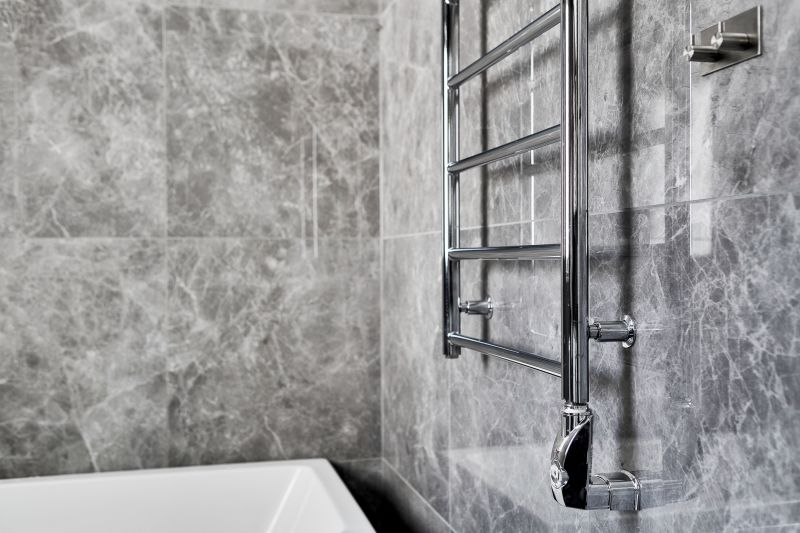
This is the first and most consequential decision.
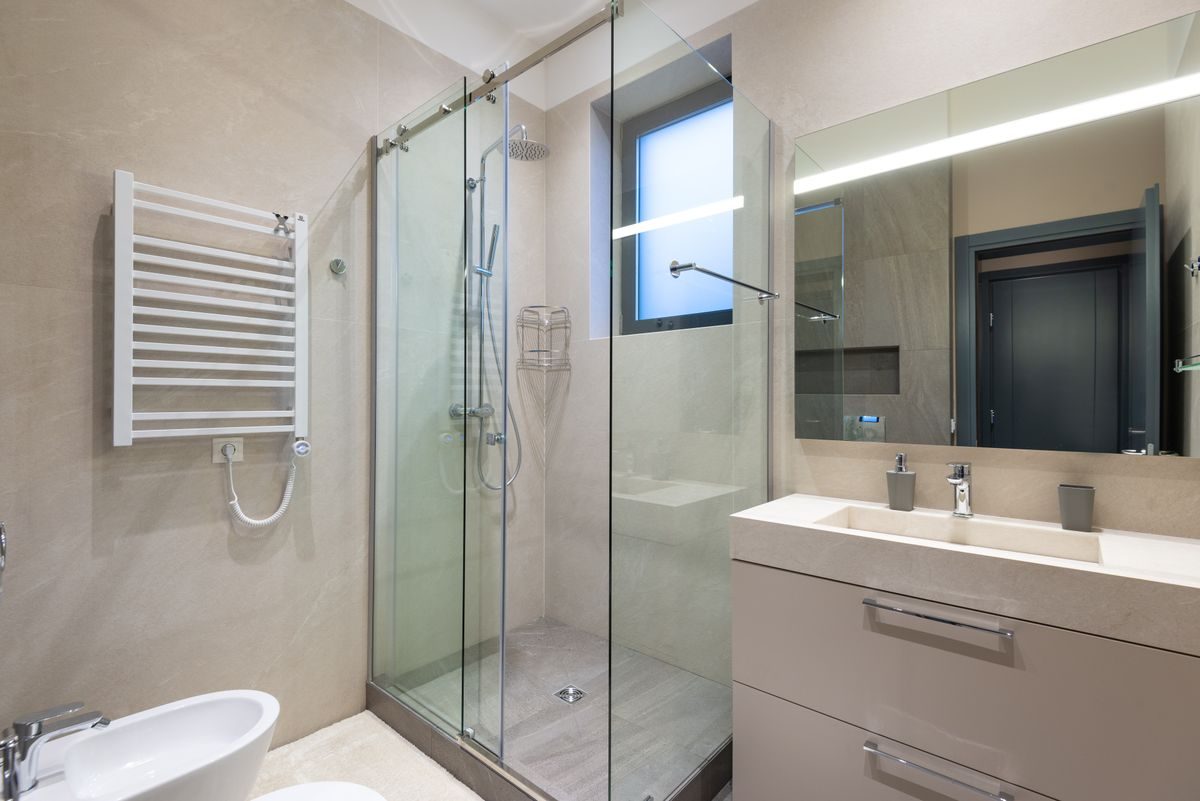
An electric heated towel rail runs from a dedicated electrical spur. It works independently of the central heating, so it can run all year, heat up on a timer, and function during summer when the boiler isn't running. It costs more to run per hour than a plumbed rail but gives complete flexibility. For bathrooms where adding new pipework is difficult or expensive, electric is often the practical choice.
A plumbed heated towel rail connects to the central heating circuit and runs whenever the heating is on. Running costs are essentially zero on top of the central heating you'd already be running. The downside is that it can't run independently - during summer months or when the heating is off, so are your towels. Installation requires a plumber to connect into the existing circuit, which adds to the installation cost.
Dual fuel is both: the rail connects to the central heating circuit but also has a small electrical element that can run the rail independently when the heating is off. You get the flexibility of electric with the running cost of plumbed when the heating is on. It's the most popular option for new installations in Plymouth.
Bathroom Fitters Plymouth installs all three types as part of full bathroom renovations and as standalone upgrades in Plymouth properties.
Sizing for Plymouth Bathrooms
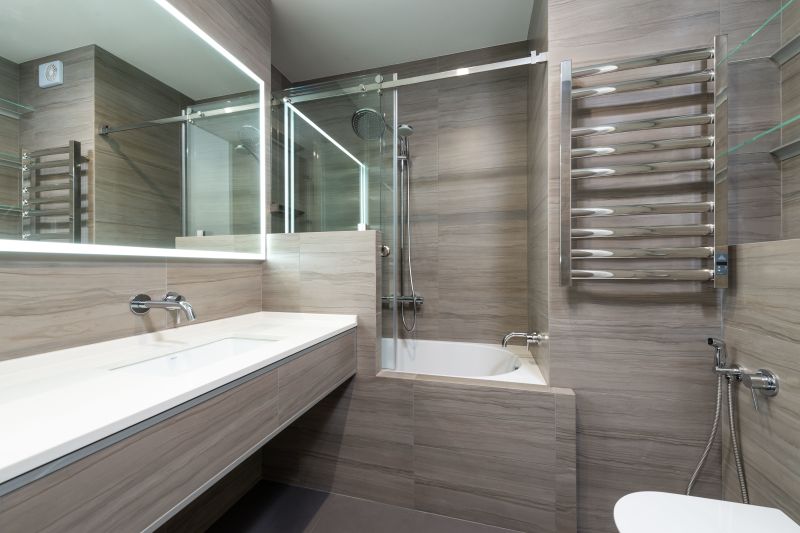
Heated towel rails are rated in BTUs (British Thermal Units) - the heat output they provide. Getting this right matters for two reasons: an undersized rail won't heat the bathroom noticeably, and an oversized one may heat a small bathroom uncomfortably.
A small cloakroom needs around 500-800 BTU. A standard family bathroom of 4-6m² needs 1,000-1,500 BTU. A larger bathroom or one with a wet room area needs 1,500-2,500 BTU. Rail size (height x width) and the number of bars both affect BTU output.
Plymouth's proximity to the coast creates relatively mild winters but higher humidity than inland areas - bathrooms here often feel colder than the thermostat suggests, and adequate ventilation combined with a properly sized rail makes a real difference to daily comfort. We've covered ventilation in more detail in our bathroom ventilation guide for Plymouth, which is worth reading alongside this.
Chrome, White, and Coloured Rails
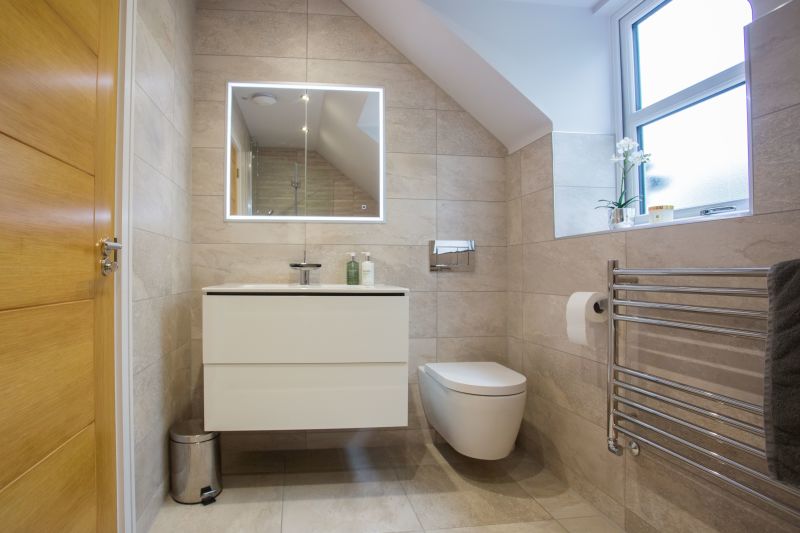
Chrome is the classic finish and the most widely available. It suits most bathroom schemes, is easy to clean, and shows water marks less than polished white.
White powder-coated rails are the most popular alternative and suit modern or minimalist bathrooms well. The powder coat can chip if knocked, which is worth knowing before choosing for a family bathroom.
Anthracite (dark grey/black) has become significantly more popular in the last few years and suits contemporary bathroom schemes. It's slightly more expensive than chrome or white for equivalent models.
Coloured rails in copper, brass, or gold tones are at the premium end and suit heritage or boutique-style bathrooms. They scratch more visibly than chrome and require gentler cleaning.
What Heated Towel Rails Cost in Plymouth
Supply only, standard chrome plumbed rail, 600 x 800mm: £80 - £200.
Supply only, dual fuel rail, mid-range spec, 600 x 800mm: £150 - £350.
Installation of plumbed rail (connected to existing circuit): £150 - £280.
Installation of electric rail (new spur required): £180 - £320 including spur wiring.
Premium designer rails (larger size, coloured finish, branded): £400 - £1,200+ supply only.
Installation costs in Plymouth are broadly in line with the South West average. Most installations are half a day's work for a plumber and electrician working together, or a full day if pipework needs rerouting.
FAQ
Q: Should I get an electric or plumbed heated towel rail in Plymouth?
Dual fuel is the most flexible and popular option for Plymouth bathrooms - it connects to the central heating circuit but can run independently on its electrical element during summer. If adding pipework is impractical, electric-only is fine. Plumbed-only means no heat when the boiler isn't running.
Q: How much does it cost to run a heated towel rail?
An electric rail typically costs 15-30p per hour to run depending on size and current electricity rates. A plumbed rail costs virtually nothing on top of your existing central heating. Dual fuel runs at the electrical rate when the heating is off, and at the plumbed rate when it's on.
Q: What size heated towel rail do I need for a standard Plymouth bathroom?
A standard family bathroom of around 4-6m² needs a rail rated at 1,000-1,500 BTU. Check the product specification before buying, since two rails of the same physical size can have very different heat outputs depending on bar count and spacing.
Q: Can a heated towel rail replace a bathroom radiator?
In a small to medium bathroom, a well-sized heated towel rail can provide sufficient heat. In a larger bathroom or a bathroom that's poorly insulated, a separate radiator may still be needed. Check the BTU requirement for the room before removing an existing radiator.
Q: How long does installation take?
Most heated towel rail installations take half a day to a full day depending on whether new pipework or electrical spur work is needed. Adding it as part of a full bathroom renovation is more cost-effective than a standalone upgrade.
You might also like
Bathroom Fitters Plymouth