
Bathroom Flooring for Plymouth Homes: What Works in a Coastal Climate
Plymouth sits on the south-west coast with some of the highest average humidity levels in England - the city records around 82% average relative humidity across the year, significantly above the UK average of roughly 75%. In a bathroom, where additional moisture is generated daily, that baseline humidity means the flooring has to work harder than in a drier inland city. Materials that perform adequately in a dryer climate can deteriorate significantly faster in Plymouth's conditions - particularly timber-based products, anything with unsealed edges, and surfaces where water can work into joins or grout lines. Getting the flooring choice right from the start is more consequential here than it might appear at the specification stage.
Porcelain and Ceramic Tile: The Reliable Standard
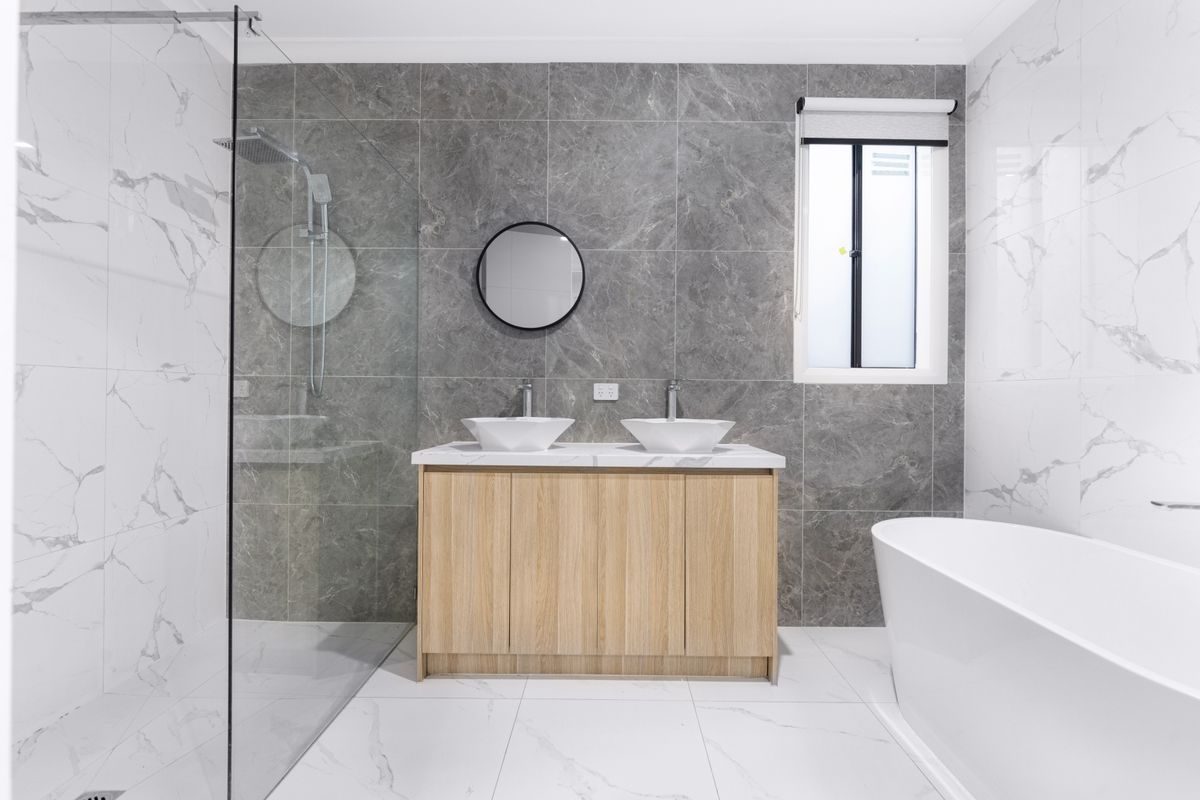
Bathroom Fitters Plymouth installs porcelain and ceramic floor tiles as the most common choice in Plymouth bathroom renovations, and for good reason. Dense porcelain in particular has a very low water absorption rate - typically less than 0.5% - which means moisture cannot work into the tile material itself. With properly applied grout and a well-sealed perimeter, a porcelain floor in a Plymouth bathroom handles the humidity and direct water exposure without deteriorating.
The practical variables are the tile size and the grout specification. Larger tiles have fewer grout lines, which reduces the total area of potential water ingress. Epoxy grout resists moisture penetration and staining significantly better than standard cement grout, and is the right specification for a Plymouth bathroom floor where long-term performance matters. The additional cost of epoxy grout over a typical floor area is £50-£150 - a worthwhile investment given its longevity.
LVT: Practical and Underfoot Comfortable
Luxury vinyl tile (LVT) has become widely used in Plymouth bathrooms over the last ten years and performs well in wet conditions when installed correctly. The important distinction is between glue-down LVT (adhered directly to the subfloor) and click-lock LVT (floating over the subfloor). Glue-down LVT creates a fully sealed surface with no gaps for water to work under. Click-lock LVT, despite its convenience, has join gaps between tiles through which water can penetrate to the subfloor over time - in a Plymouth bathroom used daily, this is a real risk.
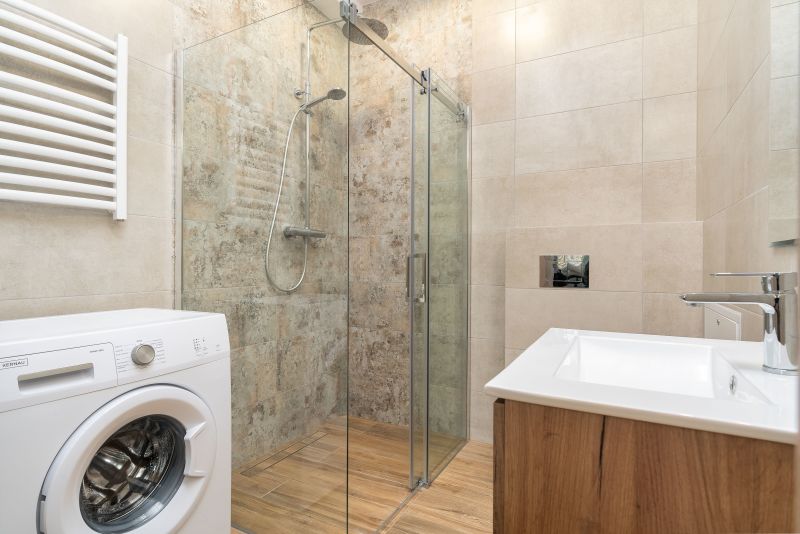
LVT is warmer underfoot than ceramic and easier to walk on barefoot, which is why many clients prefer it to tile for family bathrooms. It can also be used directly over underfloor heating, though the maximum running temperature of some LVT products needs to be checked against the system spec.
Natural Stone: Possible but Demanding
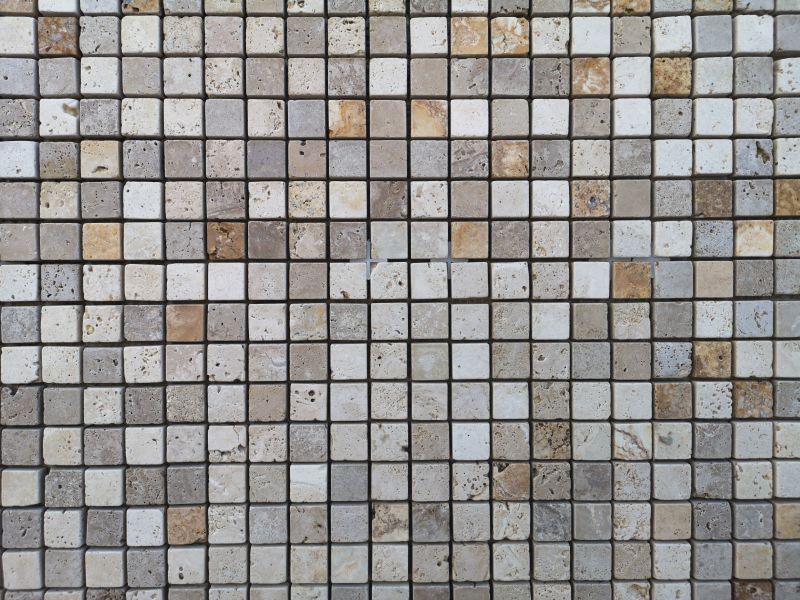
Natural stone - limestone, travertine, slate - looks excellent in bathrooms and is genuinely durable when maintained. The challenge in Plymouth's coastal environment is that most natural stone is porous and requires regular sealing to prevent moisture absorption and staining. Unsealed or under-sealed natural stone in a humid Plymouth bathroom will absorb moisture, discolour, and eventually deteriorate at the surface. It's not impossible to maintain, but it requires commitment that many homeowners find they don't sustain.
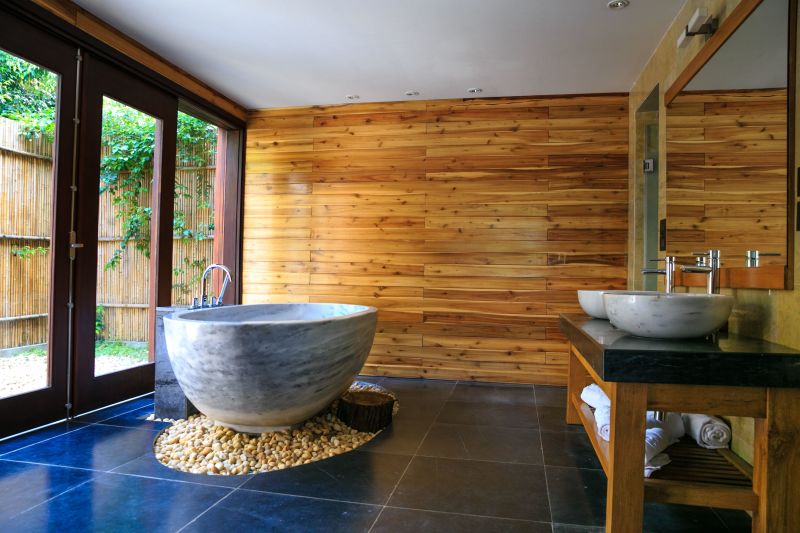
If natural stone is the right choice aesthetically, slate is the most moisture-resistant option without sealing, and limestone the most demanding. Either way, professional sealing on installation and annual reapplication is the correct maintenance approach in Plymouth's conditions.
What to Avoid in Plymouth Bathrooms
We've covered bathroom storage in Plymouth homes elsewhere, and the same principle applies to flooring - the wrong choice for the conditions is a renovation you'll revisit. Solid timber flooring in a Plymouth bathroom is high risk: timber expands and contracts with humidity cycling, joints open, and moisture works into the subfloor. Even engineered timber with a high ply core is not the best choice as the primary bathroom floor in a coastal climate.
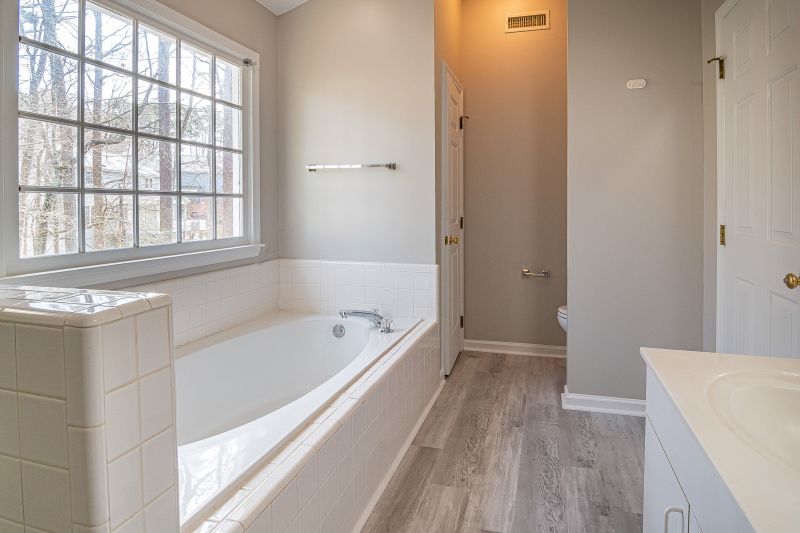
Laminate flooring is simply incompatible with wet room conditions - the MDF core swells irreversibly when wet. Some manufacturers offer "water resistant" laminate, but this resists splashes rather than the sustained high humidity of a bathroom floor over years.
Typical Flooring Costs in Plymouth
- Ceramic tile (budget range, standard grout): £30-£60 per square metre supply and fit
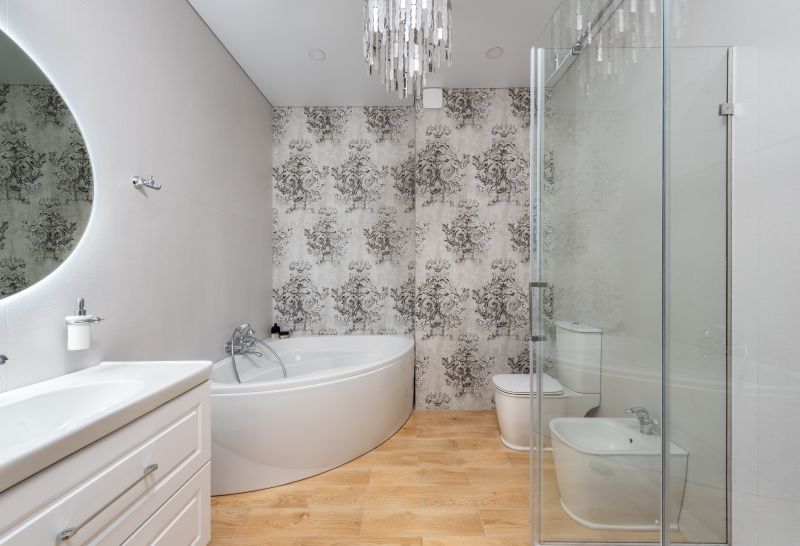
- Porcelain tile (mid-range, epoxy grout): £50-£90 per square metre supply and fit
- LVT glue-down (mid-range product): £40-£70 per square metre supply and fit
- Natural stone (installed with sealing): £80-£150+ per square metre supply and fit
FAQ
Q: Is LVT or porcelain tile better for a Plymouth bathroom?
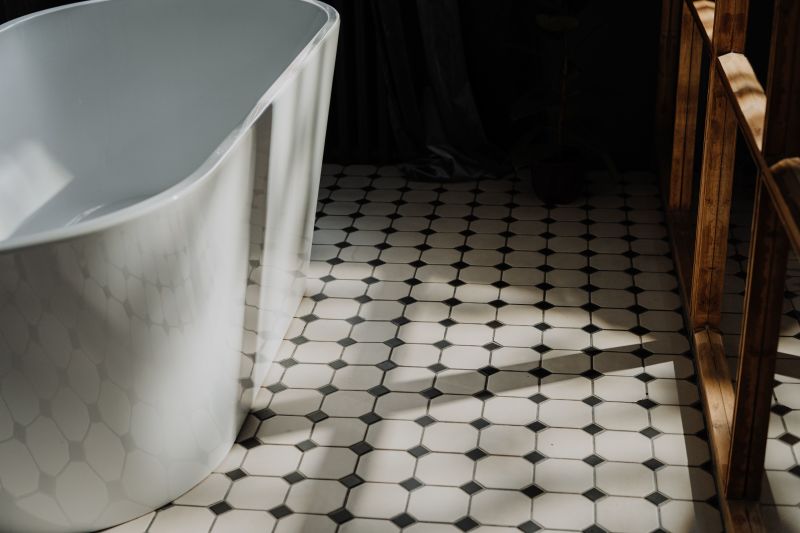
Both work well if correctly specified and installed. Porcelain is more durable long-term and completely impermeable. LVT is warmer underfoot and more forgiving during installation. For a Plymouth bathroom, glue-down LVT is the correct specification - click-lock LVT risks water ingress at the joints in the high-humidity coastal environment.
Q: Does bathroom flooring need to be different in Plymouth compared to elsewhere?
Yes, coastal humidity does influence performance. Products that tolerate lower humidity adequately may deteriorate faster in Plymouth's conditions - particularly unsealed natural stone, timber-based products, and anything with exposed edges or joins where moisture can work in.
Q: What grout should I use for bathroom floor tiles in Plymouth?
Epoxy grout outperforms cement grout significantly in high-moisture environments. It's more expensive (roughly £50-£150 more for a typical floor area) but resists moisture penetration and staining far better. The right specification for a Plymouth bathroom if longevity is the priority.
Q: Can I use underfloor heating with LVT in a Plymouth bathroom?
Yes, but check the maximum running temperature specification for the LVT product against the UFH system. Most LVT products are compatible with UFH at temperatures up to 27-28°C floor surface temperature.
Q: How do I maintain natural stone bathroom flooring in Plymouth?
Professional sealing on installation and annual reapplication at minimum. Plymouth's humidity means unsealed stone absorbs moisture and discolours faster than in drier climates. Slate requires less maintenance than limestone; both require more commitment than porcelain or LVT.
Q: Is timber bathroom flooring possible in Plymouth?
Solid timber is not recommended for wet room conditions in Plymouth's coastal climate. Even engineered timber carries significant risk as a primary bathroom floor - humidity cycling causes joint movement and moisture ingress over time. Porcelain, LVT, or natural stone are the appropriate alternatives.
You might also like
Bathroom Fitters Plymouth