
Adding an En-Suite Bathroom in Plymouth: What's Involved and What It Costs
An en-suite is one of the more common bathroom additions in Plymouth homes, particularly in 1960s and 70s detached and semi-detached properties where the master bedroom is large enough to lose a section to an en-suite without making the bedroom feel cramped. The appeal is straightforward - a private bathroom off the main bedroom removes morning competition for the main bathroom and adds resale value that's fairly well established in estate agent valuations. The project, though, is more involved than fitting a straightforward bathroom in an existing room, and understanding what's needed before you start avoids the common surprises.
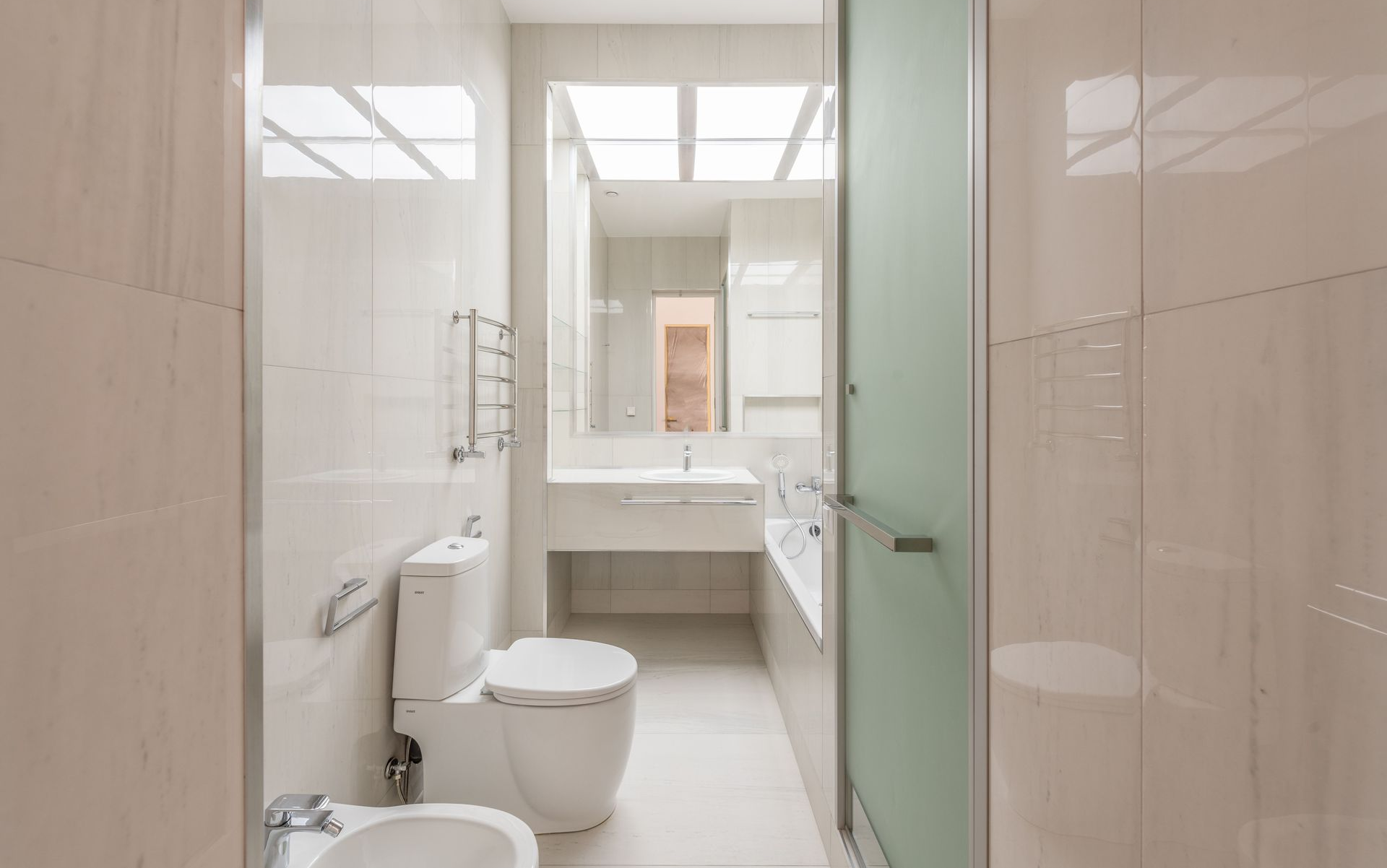
What Makes an En-Suite Different from a Standard Bathroom Fit
The main complication with an en-suite is getting the services there. In a standard bathroom renovation, the plumbing, drainage, and electrical supplies are already present. With a new en-suite, you're creating a wet room in a space that wasn't designed for one, which means routing new pipework to the location, providing drainage (which needs to fall to a waste stack and is constrained by floor structure and the layout of what's below), and adding a new electrical circuit.
Of these, drainage is typically the most constrained. Water flows downhill, and the waste from a basin, shower, and WC (if included) needs to drain away. The floor structure of most Plymouth 1960s-70s houses is timber joists, which allows pipework to run beneath the floor relatively straightforwardly as long as the route to the soil stack isn't too long or awkward. In some layouts, this is simple. In others - where the en-suite is positioned above a room with a finished ceiling, or far from the soil stack - it's more complex and adds to cost and disruption.
Space Requirements
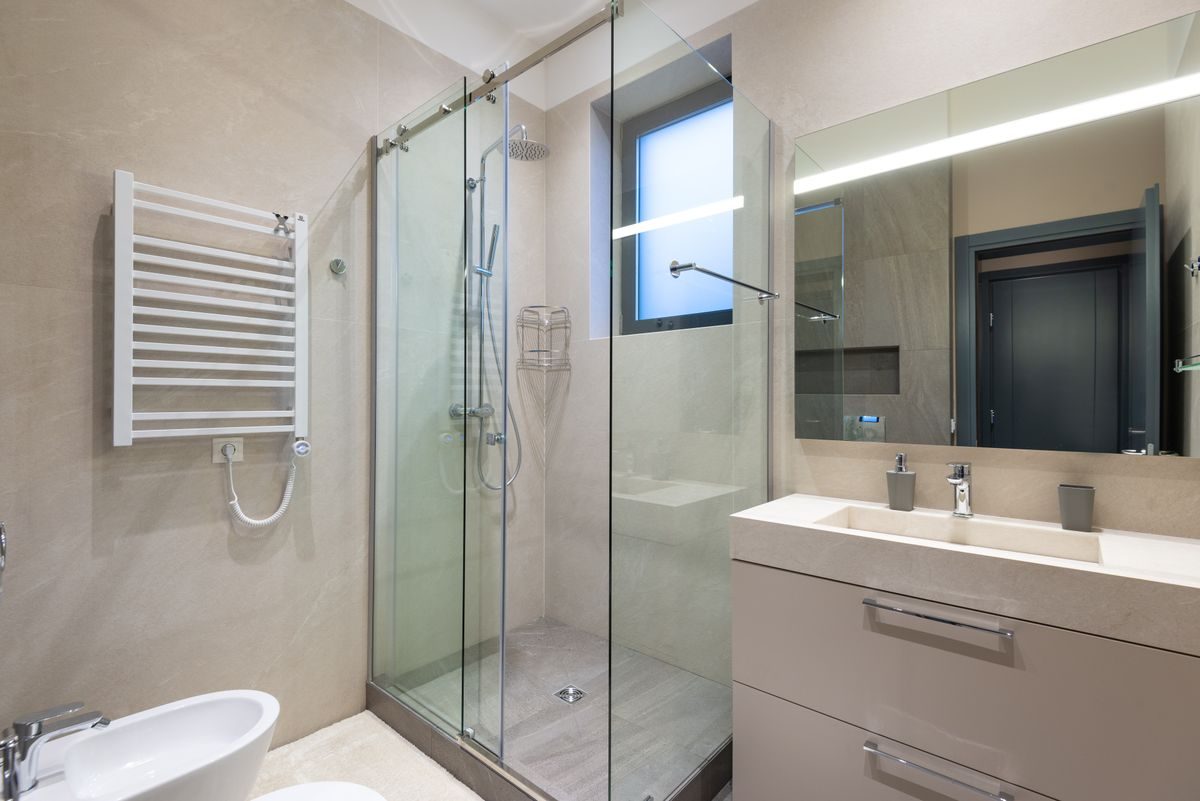
A fully functioning en-suite with a shower, WC, and basin fits into approximately 2.2-2.5 square metres in a tight arrangement. That's about the size of a large wardrobe footprint. A more comfortable en-suite with some movement space is typically 3-4 square metres. The bedroom survey should confirm what's realistic for the space being partitioned, bearing in mind that the partition wall and door take some of that space.
Bathroom Fitters Plymouth surveys en-suite projects across Plymouth before any work is planned, and the drainage route and available space are the two things that most affect whether the project is straightforward or complicated.
What It Typically Costs in Plymouth
For a new en-suite in a Plymouth home, the full cost - including partitioning a section of the bedroom, installing the en-suite suite and fittings, tiling, and all the associated first and second fix work - typically ranges:
- Basic shower-room en-suite (shower, basin, WC in a tight space): £5,000-£8,000
- Mid-range en-suite with better fittings and finish: £8,000-£13,000
- Larger or higher-spec en-suite: £13,000+
The range reflects real variation in complexity - a straightforward drainage route with easy access to services is much less costly than one requiring significant floor work and waste route planning. Getting quotes from a company that has surveyed the actual space is more reliable than using a generic price-per-square-metre figure.
Planning Permission
En-suites in England are generally permitted development - they don't require planning permission as they're internal alterations. Building regulations do apply, however, covering ventilation, drainage, and electrical work. Your bathroom fitter should be handling building regulations compliance, and the electrical work needs certification from a registered electrician.
We've covered bathroom storage solutions for Plymouth homes elsewhere, and the same principle applies to en-suites: storage planning within the available space is worth thinking about at the design stage rather than retrofitting shelves after completion.
FAQ
Q: How much space do I need to add an en-suite in a Plymouth home?
A functional shower-room en-suite (shower, WC, basin) can fit in approximately 2.2-2.5 square metres. A more comfortable en-suite is typically 3-4 square metres. The bedroom survey will confirm what's practical given the existing layout.
Q: Does an en-suite require planning permission in Plymouth?
Generally no - internal alterations are permitted development in England. Building regulations do apply, covering drainage, ventilation, and electrical work. Your installer should manage building regulations compliance.
Q: What is the biggest complication when adding an en-suite?
Usually drainage. Getting the waste from a new en-suite to drain away correctly depends on the floor structure and the route to the nearest soil stack. In some properties this is straightforward; in others it requires more work and adds to cost.
Q: How long does an en-suite project take?
Typically 5-10 working days for a standard en-suite installation in a Plymouth home, depending on the complexity of the plumbing and drainage work and the level of finish.
You might also like
Bathroom Fitters Plymouth