
Wall Panels vs Tiles in Plymouth Bathrooms: Costs, Looks and Which Lasts Longer
Wall panels have gone from caravan-grade plastic to a legitimate choice in about fifteen years, and they now account for somewhere around a fifth of new shower enclosures fitted in the UK. In Plymouth the question comes up on most quotes, usually because a homeowner has seen a price difference of £800 or more between the two options and wants to know what they lose. The honest answer is: sometimes very little, sometimes quite a lot, and it depends almost entirely on the room. Tiling a standard Plymouth shower enclosure runs roughly £45 to £90 per square metre fitted. Panelling the same area lands £55 to £110 per square metre supplied and fitted, but takes a third of the time. Here is how to decide.
What Each Option Actually Costs in Plymouth
Take a typical shower enclosure wall area of 4 to 5 square metres in a Plymouth semi.
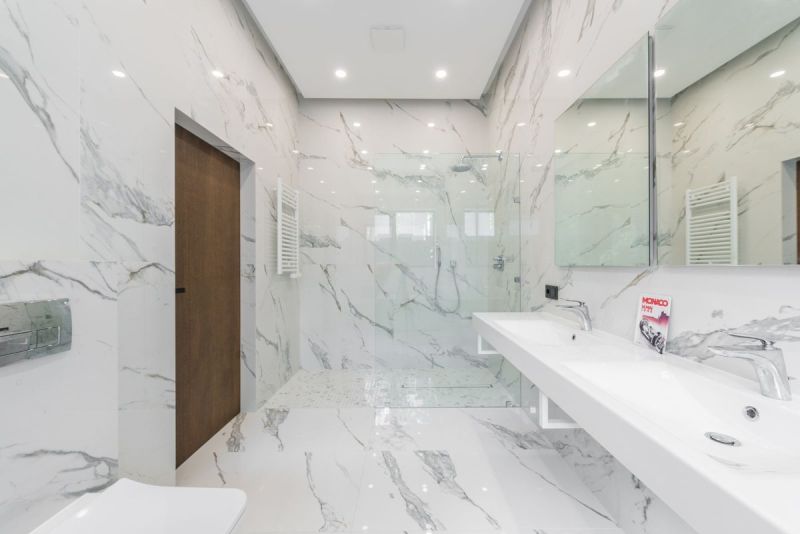
Ceramic tiling at that size, using a mid-range 300x600 tile at around £22 to £35 per square metre, plus adhesive, grout, tanking and two days of a tiler's time, comes out around £480 to £750 for the enclosure. Porcelain in a large format pushes the material cost to £40 to £70 per square metre and adds labour because the tiles need levelling clips and a flatter substrate, taking the same area to £700 to £1,100.
Wall panels in 10mm PVC with a decorative laminate face cost roughly £45 to £75 per square metre in materials, and fitting an enclosure is normally most of one day rather than two. Total for the same 4 to 5 square metres lands around £400 to £700. Step up to a bonded acrylic or a compact laminate panel and materials go to £90 to £160 per square metre, so a premium panelled enclosure can reach £900 to £1,400 - more than mid-range tiling.
For a full floor-to-ceiling bathroom rather than just the enclosure, the labour saving is where panels win. A fully tiled Plymouth bathroom of 18 to 22 square metres of wall typically adds four to six days of tiling. Panelled, it is two. At local rates that is a genuine £600 to £1,200 difference, which is the number most homeowners are actually reacting to. If you want the two options priced side by side for your own room, Bathroom Fitters Plymouth will quote both rather than steering you to one.
Where Panels Genuinely Win
There are three situations in Plymouth housing where panels are the better technical answer, not just the cheaper one.
The first is a wall that is out of true. A lot of the city's Victorian and Edwardian stock in Stoke, Mutley and Greenbank has bathroom walls with 15 to 25mm of bow across two metres. Tiling that flat means dot-and-dab or a full render coat first, which adds £200 to £500 and two days of drying. Panels fitted to battens absorb the same discrepancy in an afternoon.
The second is over an existing tiled wall. Panels can be bonded straight onto sound old tiles, which avoids a messy strip-out, skip charges, and the plaster damage that comes with hacking off 1980s ceramics. That saves a genuine £300 to £600 on a refresh job.
The third is speed on an occupied property. A rental turnaround or a family with one bathroom cares more about being back in service on Thursday than about the finish having grout lines.
Where Tiles Still Win
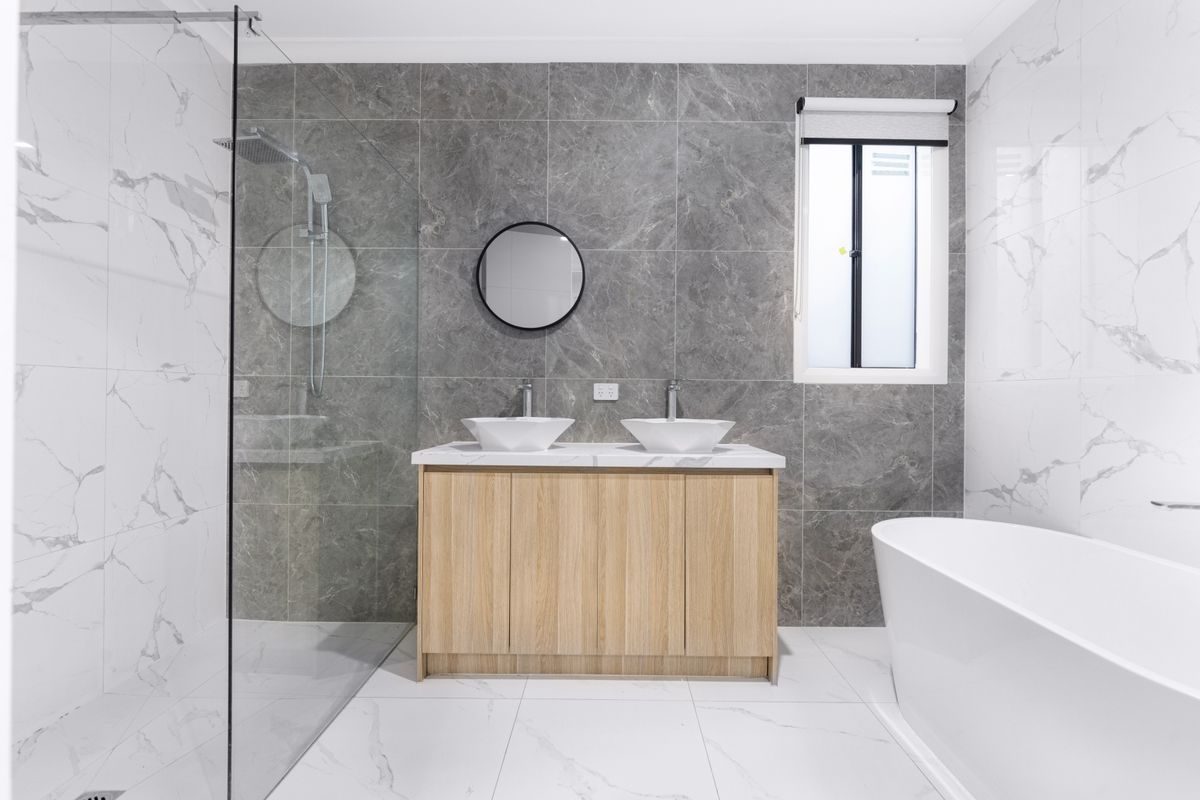
Resale perception is the honest one. Estate agents in Plymouth still describe a fully tiled bathroom as a selling point and rarely mention panelling, and porcelain in a large format simply looks more expensive than laminate at close range. Tiles also handle heat better behind a towel rail, take a heavier fixing without a pattress, and can be repaired one tile at a time. Damage a panel and you generally replace the whole sheet.
How Devon's Climate Affects the Choice
Plymouth records around 1,000 mm of rain a year across roughly 150 wet days, and relative humidity stays above 80% for much of the winter. That matters because it changes how long a bathroom takes to dry between uses, and therefore how much stress the wall finish is under.
In a high-humidity, slow-drying room, grout is the weak point rather than the tile. Cement-based grout in a Plymouth shower typically starts discolouring within two to four years and needs regrouting somewhere around year six to eight. That is a £180 to £400 job each time. Epoxy grout resists it far better but costs roughly three times as much to buy and takes a skilled hand to apply, adding £150 to £300 on a standard enclosure.
Panels have no grout lines at all inside the wet area, which is their strongest practical argument in this climate. A four-metre run of panel has two joints, both silicone or a proprietary jointing strip, against roughly 30 linear metres of grout in the tiled equivalent.
Neither Fixes Bad Ventilation
Worth saying plainly: panels do not solve mould, they relocate it. If a Plymouth bathroom is growing black spots in the corners, the cause is nearly always extraction rather than the wall covering. Building regulations set a minimum of 15 litres per second of intermittent extract for a bathroom, set out in Approved Document F, and a humidity-sensing fan with run-on is a better £150 than any upgrade to the wall finish.
What Goes Behind Both, and Why It Matters More
The layer nobody sees decides how long either finish lasts. In a shower enclosure, standard plasterboard is not an acceptable substrate for tile or panel in any Plymouth property, regardless of what a previous fitter did.
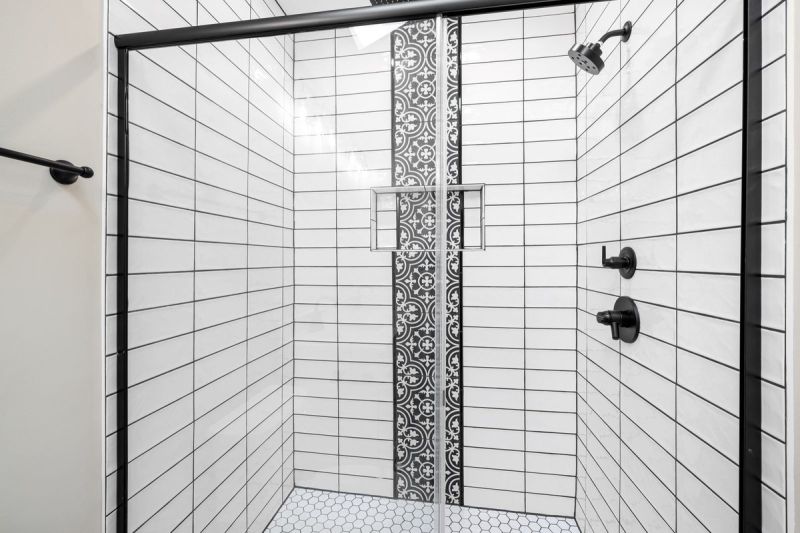
Tiles need a tile backer board - cement or foam-cored, typically 6 to 12mm - or a fully tanked and primed surface. Tanking a standard enclosure costs £120 to £250 in materials and half a day. Skipping it is the single most common reason a Plymouth shower wall fails at around year seven.
Panels need a sound, dry, flat-enough surface and correctly sealed joints and edges. Bonded direct to old tiles they need the tiles to be firmly stuck and the grout intact. Battened out, they need the battens treated and the void ventilated or sealed, not left open at the bottom where water can track in.
Lifespan: The Realistic Numbers
Well-fitted ceramic or porcelain tiling in a Plymouth bathroom lasts 20 to 30 years as a surface, with grout maintenance every six to eight years and a full resilicone every three to five. The tiles themselves rarely fail; the joints do.
A good quality 10mm PVC or acrylic panel system lasts 15 to 25 years. Cheaper 5mm panels in a heavily used family shower can start showing flex, joint movement or surface scuffing at eight to twelve. Compact laminate panels sit at the top end and match tile for longevity, but at a price that removes the cost advantage.
The realistic conclusion for most Plymouth homes: tiles for a bathroom you intend to keep for 20 years or sell within five, panels for a rental, a second bathroom, a fast refresh, or a room where the walls are too far out of true to tile economically. We compare the wider refresh-versus-rebuild decision in our guide to bathroom tiling costs in Plymouth, which sets out the per-square-metre breakdown in more detail.
Getting a Quote That Compares Like With Like
Panel and tile quotes are notoriously hard to compare because they hide different things. A tiling quote often excludes the tiles themselves, quoting a labour rate plus a per-square-metre allowance. A panel quote usually includes the material because the panels come as a kit.
Ask for four things in writing on both: the substrate and whether tanking is included, the material cost per square metre separated from labour, who supplies and fits the trims or edging, and what the waste removal costs. Then ask the fitter directly which they would put in their own house given your specific walls. A fitter who says "tiles, always" or "panels, always" without looking at the room is selling a preference rather than advice.
The Consumer Rights Act gives you the right to work carried out with reasonable care and skill either way, and Which? publishes useful general guidance on comparing home improvement quotes if you want a neutral checklist to work from.
Frequently Asked Questions
Are wall panels cheaper than tiles in a Plymouth bathroom?
Usually, but mainly on labour rather than materials. A tiled shower enclosure of 4 to 5 square metres runs about £480 to £1,100 fitted depending on the tile, while a mid-range panelled equivalent lands around £400 to £700. Across a full bathroom the labour saving is bigger, typically £600 to £1,200, because panelling takes two days rather than five or six.
Do wall panels look cheap compared to tiles?
Modern 10mm panels with a laminate or acrylic face look considerably better than older PVC, and marble-effect finishes read well from normal viewing distance. Up close, large-format porcelain still looks more expensive. For resale in Plymouth, a fully tiled bathroom remains the stronger selling point.
Can you fit bathroom panels over existing tiles?
Yes, provided the existing tiles are firmly bonded, the grout is intact and the surface is dry. Bonding over old tiles avoids a strip-out and typically saves £300 to £600 on a refresh. If any tiles sound hollow when tapped, they need removing first.
How long do bathroom wall panels last?
A good 10mm PVC or acrylic system lasts 15 to 25 years in a Plymouth bathroom. Thinner 5mm panels in a busy family shower can start showing flex or joint movement at eight to twelve years. Compact laminate panels match tiling for lifespan but cost considerably more.
You might also like
Bathroom Fitters Plymouth