
Does a New Bathroom Add Value to a Plymouth Home? What Buyers Notice and What It Costs
The average Plymouth house sold for around £245,000 in 2026, roughly 15% below the England average, and that single number changes the whole bathroom-value argument. Nationally, surveyors tend to put a good bathroom refit at somewhere between 3% and 5% added value. On a Plymouth terrace that's £7,000 to £12,000, against a full refit cost of £5,500 to £11,000 - so the sums work, but only just, and only if you spend in the right places. Get the spec wrong and you can pour £14,000 into a bathroom that adds £6,000. This guide covers what Plymouth buyers actually react to, which upgrades pay back and which don't, and the realistic budget for a house in this price bracket.
What "Adds Value" Really Means on a Plymouth Sale
Estate agents use "adds value" loosely, and it hides two very different effects.
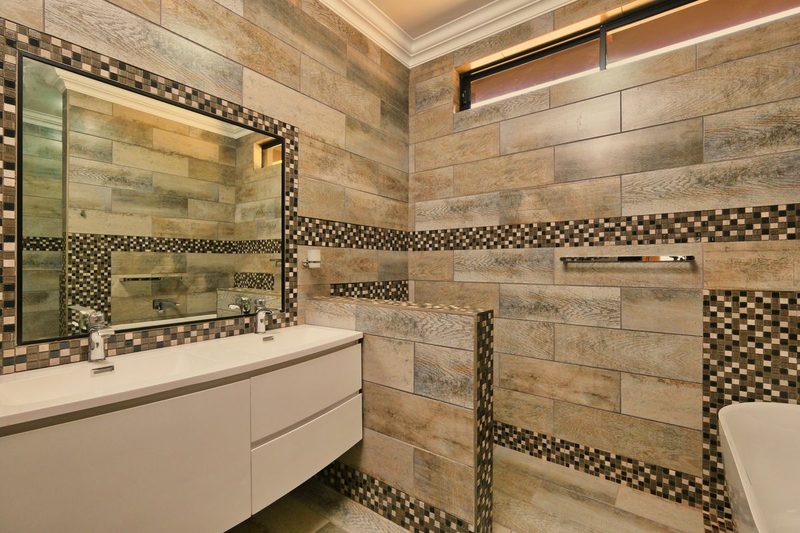
The first is genuine uplift - the property is worth more with the new bathroom than without it. That's the smaller effect, and it caps out fast. The second is speed and negotiating position, which is where most of the real money sits. A house with a tired avocado suite in Peverell doesn't just sell for less. It sits on the market longer, attracts offers conditional on "money off for the bathroom", and gives every buyer a free excuse to knock £8,000 off because they've decided a refit costs £15,000. It rarely does. But you're arguing from behind.
If you're weighing up a refit before a sale, it's worth getting a fitter out for a straight opinion on what the room actually needs, because the answer is often smaller and cheaper than the one an estate agent gives you.
The Plymouth Housing Stock Problem
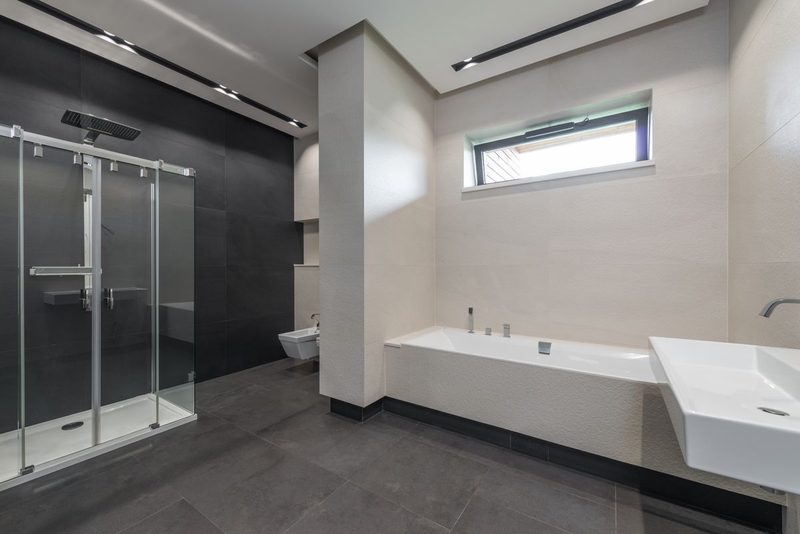
Plymouth's housing is unusual, and it matters here. The city lost a huge proportion of its centre during the Blitz, and the rebuilding programme means a large slice of the stock dates from the late 1940s through the 1960s - Ernesettle, Whitleigh, Ham, Efford. Those houses typically have small, awkwardly shaped bathrooms, often around 1.7m x 2.1m, frequently with the boiler or airing cupboard eating a corner.
Around those estates sit the surviving Victorian and Edwardian terraces in Stoke, Mutley, Greenbank and Lipson, where the bathroom is often a later addition over a back extension with a cold, poorly insulated floor and a long soil run.
Both types share a problem: there isn't much room to be clever. A buyer isn't comparing your bathroom to a magazine. They're comparing it to the other three houses they viewed that weekend, which have the same 3.5 square metres to work with. That's good news for your budget. You are not competing on luxury. You're competing on whether the room looks finished and dry.
What Plymouth Buyers Actually Notice
Fitters hear the same viewing comments repeatedly. In rough order of impact:
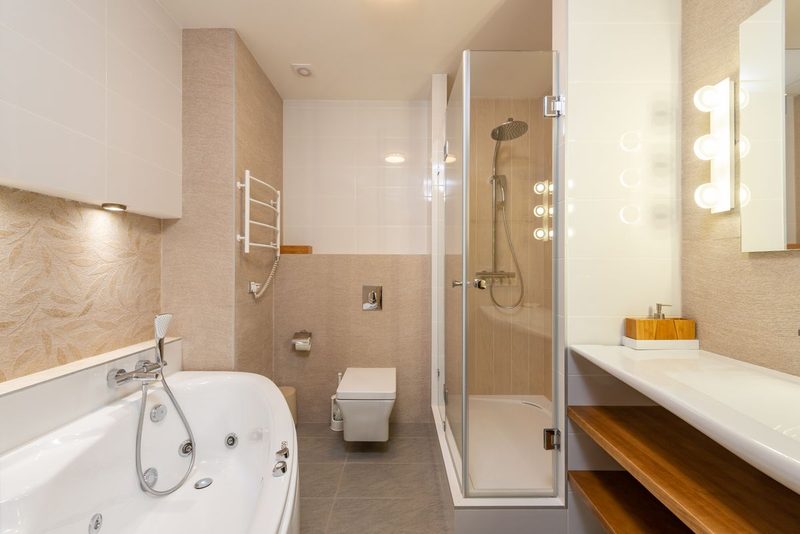
- Mould and staining round the bath and window. This is the single biggest negative signal, and in a coastal city with average relative humidity around 80% it's extremely common. It reads as "this house has a damp problem" even when it's only poor ventilation.
- Grout and sealant condition. Discoloured silicone looks cheap and suggests water has been getting somewhere it shouldn't.
- Whether the suite matches. A white bath with an off-white basin and a cream toilet tells a buyer nothing was ever done properly.
- Water pressure on the shower. Plymouth's supply comes largely from Dartmoor reservoirs and is soft, which is kind to fittings, but pressure varies a lot by street and height. Buyers do turn showers on.
- Flooring. Cushioned vinyl with lifting edges kills a room. Good quality LVT or large-format tile transforms it.
- Extractor fan. Half of them either don't work or sound like a light aircraft. Buyers notice both.
Notice what isn't on that list: freestanding baths, brassware brands, underfloor heating and vanity units. Those matter for how you live in the room. They move the sale price very little in this price bracket.
Refresh Often Beats a Full Refit
For a lot of Plymouth sellers the honest answer is that a refresh does 80% of the job for 25% of the money. We've broken this comparison down properly in our guide to choosing between a bathroom refresh and a full renovation in Plymouth, including which existing fittings are worth keeping.
The Numbers: What Each Level of Work Costs and Returns
Working figures for a standard Plymouth bathroom of around 4 square metres in 2026:
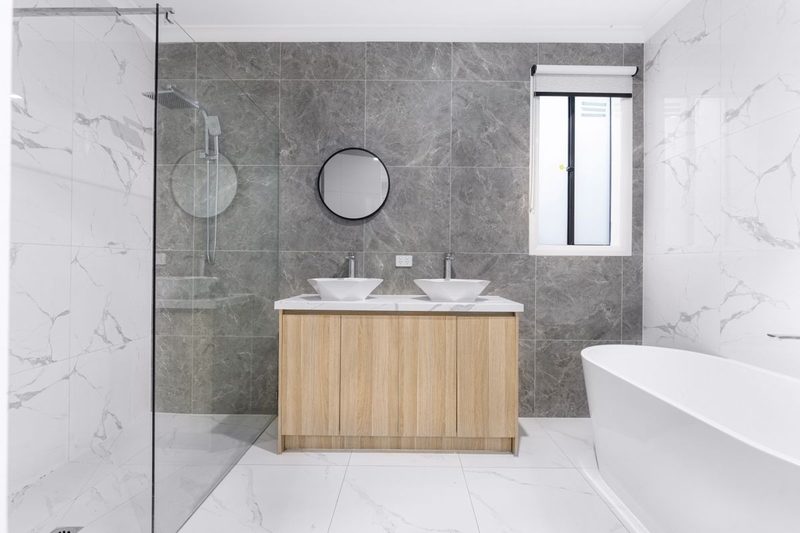
Cosmetic refresh - £900 to £2,000. Regrout and reseal, replace the fan, new flooring, new taps and shower head, repaint, new mirror and accessories. Typical effect on an asking price: removes the "needs doing" discount, which on a £245,000 house is usually worth £4,000 to £8,000 of negotiating ground. Best return per pound of anything on this list.
Mid-level refit - £4,500 to £7,500. New suite, new shower enclosure or bath screen, full retile of wet areas, new flooring, new extraction, minor plumbing adjustments. Realistic value added: £6,000 to £11,000, plus a faster sale. This is the sweet spot for most Plymouth properties.
Full refit with layout changes - £8,000 to £14,000. Moving the soil pipe, relocating the bath, tanking a wet room, new heating. Value added: often still £8,000 to £12,000, so you can easily spend more than you recover. Worth doing if you're staying five years. Rarely worth doing purely to sell.
Adding a second bathroom or en-suite - £4,000 to £9,000. This one behaves differently. Going from one bathroom to two on a three or four-bed Plymouth house is a genuine category change and commonly adds £10,000 to £18,000, because it widens the buyer pool to families who'd otherwise rule the house out.
Where the Money Gets Wasted
Three things regularly cost Plymouth sellers money they never see again.
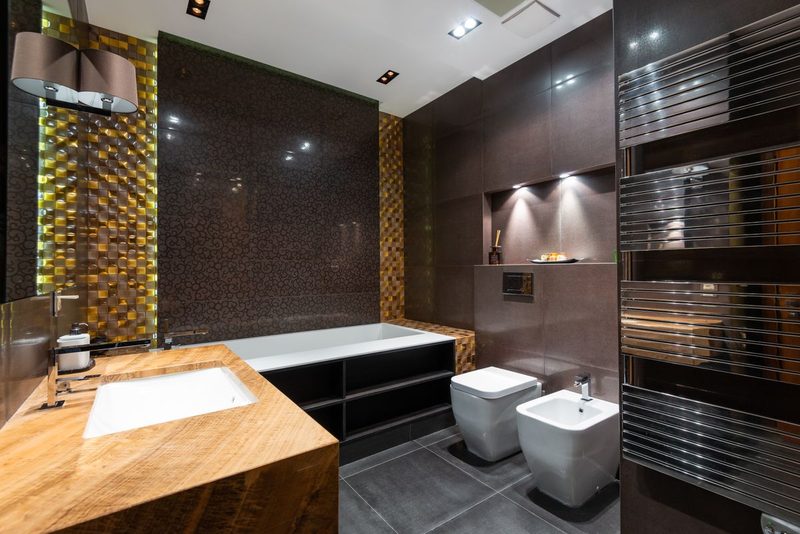
Over-specifying for the street. A £3,000 bathroom suite in a house on a road where nothing has ever sold above £220,000 is money donated to the next owner. Spec to the street, not to your taste.
Losing the bath. Removing the only bath in a family house to fit a walk-in shower narrows your buyer pool sharply. Around 60% of buyers with young children treat a bath as non-negotiable. If you've got two bathrooms, take the bath out of the en-suite, not the family one.
Skipping ventilation to save £180. This is the false economy that undoes everything else. Plymouth's damp coastal air means an underspecified fan guarantees the mould comes straight back, and the room you spent £6,000 on looks tired within two winters. An extractor sized properly to the room, ducted outside rather than into the loft, and run on an overrun timer is what the Building Regulations approval process expects and what actually works.
Getting the Compliance Right So It Doesn't Bite at Conveyancing
A bathroom that's been altered without the right paperwork can stall a sale at the searches stage. The parts that come up:
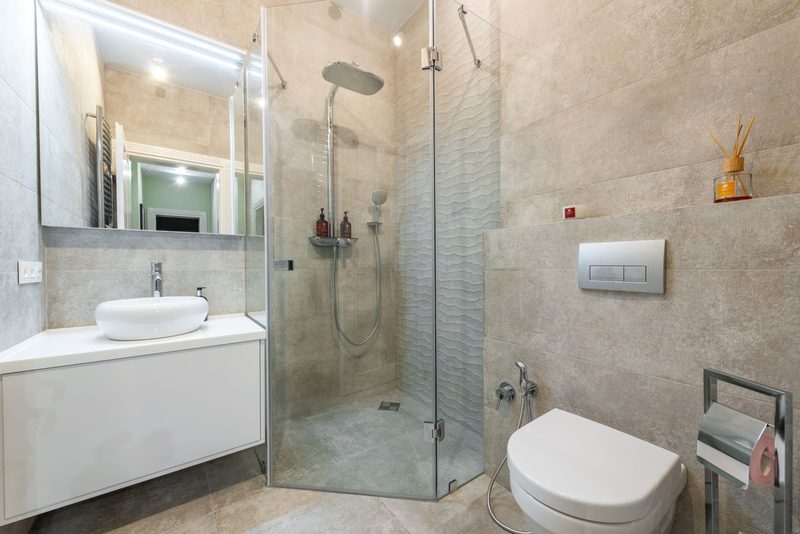
- Electrical work. Bathrooms are a special location under the wiring regulations. New circuits, a new shower, or moving a consumer unit need to be signed off by a registered electrician and notified to Plymouth City Council under Part P, either through a competent person scheme or building control.
- An electric shower over 8.5kW often needs a supply upgrade, which is a conversation worth having before you buy one.
- Moving a soil connection or adding a new waste falls under drainage rules, and the buyer's solicitor may ask.
- Unvented hot water cylinders need a G3 qualified installer and a certificate.
Keep every certificate in one folder. The Bathroom Manufacturers Association publishes consumer guidance on what a compliant installation should include, and Which?'s home improvement research is a useful sanity check on where renovation spending does and doesn't return.
The Practical Answer for Most Plymouth Sellers
If you're selling within six months, spend £1,500 to £2,500 on a proper refresh: fix the ventilation, replace the flooring, regrout and reseal everything, change the taps and shower head, and repaint. That's the highest-return work available to you.
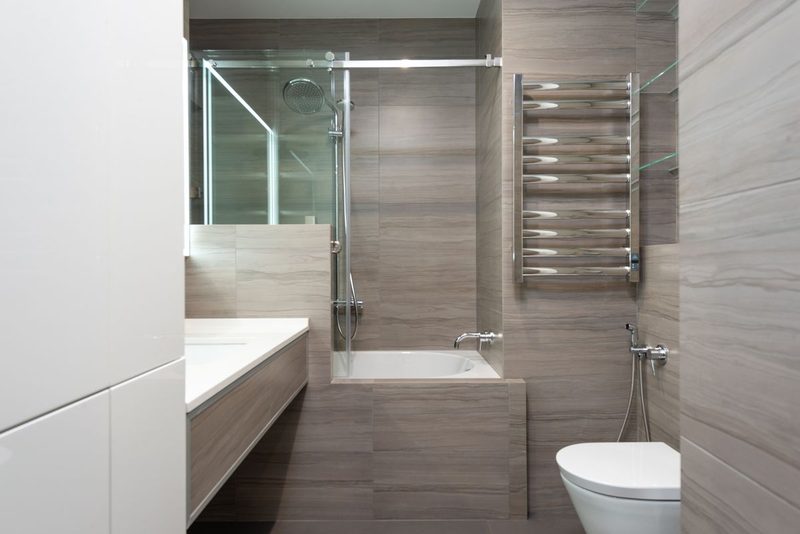
If the suite is genuinely past it - cracked, stained, mismatched, or from before 1990 - go to the mid-level refit at £4,500 to £7,500 and stop there. Resist the upgrade creep that turns a £5,000 job into a £9,000 one.
If you're staying put for five years or more, forget the valuation question entirely and build the bathroom you want. You'll get the value back in daily use, which is a better return than any percentage a surveyor puts on it.
Frequently Asked Questions
How much value does a new bathroom add to a house in Plymouth?
A well-executed mid-level refit typically adds 3% to 5% of the property's value. On a £245,000 Plymouth home that's roughly £7,000 to £12,000, against a refit cost of £4,500 to £7,500. The bigger financial effect is usually removing the discount buyers demand for a tired bathroom, which is often worth more than the uplift itself.
Is it worth replacing a bathroom before selling a Plymouth house?
If the existing bathroom is dated, mouldy or mismatched, yes - but usually at refresh level rather than full refit. Spending £1,500 to £2,500 on ventilation, flooring, sealant and taps removes the main objections. A full £10,000 refit before a sale rarely returns more than it costs in this price bracket.
Does adding a second bathroom add more value than upgrading the existing one?
Generally yes, on a three or four-bed house. Going from one bathroom to two commonly adds £10,000 to £18,000 in Plymouth because it makes the house viable for families who would otherwise rule it out. Adding an en-suite typically costs £4,000 to £9,000.
Should I remove the bath to fit a walk-in shower before selling?
Not if it's the only bath in the house. A significant share of family buyers treat a bath as essential, and removing it narrows your market. If the property has two bathrooms, converting the en-suite to a shower while keeping the family bath is the safer move.
Do I need building control approval for a new bathroom in Plymouth?
Not for a like-for-like replacement of fittings. You do need it for new electrical circuits, a new electric shower, altered drainage, or an unvented cylinder. Electrical work in a bathroom must be notified under Part P, either via a registered competent person or through Plymouth City Council building control, and you should keep the certificates for conveyancing.
```json { "@context": "https://schema.org", "@type": "FAQPage", "mainEntity": [ { "@type": "Question", "name": "How much value does a new bathroom add to a house in Plymouth?", "acceptedAnswer": { "@type": "Answer", "text": "A well-executed mid-level refit typically adds 3% to 5% of the property's value. On a £245,000 Plymouth home that is roughly £7,000 to £12,000, against a refit cost of £4,500 to £7,500. The bigger financial effect is usually removing the discount buyers demand for a tired bathroom, which is often worth more than the uplift itself." } }, { "@type": "Question", "name": "Is it worth replacing a bathroom before selling a Plymouth house?", "acceptedAnswer": { "@type": "Answer", "text": "If the existing bathroom is dated, mouldy or mismatched, yes, but usually at refresh level rather than full refit. Spending £1,500 to £2,500 on ventilation, flooring, sealant and taps removes the main objections. A full £10,000 refit before a sale rarely returns more than it costs in this price bracket." } }, { "@type": "Question", "name": "Does adding a second bathroom add more value than upgrading the existing one?", "acceptedAnswer": { "@type": "Answer", "text": "Generally yes, on a three or four-bed house. Going from one bathroom to two commonly adds £10,000 to £18,000 in Plymouth because it makes the house viable for families who would otherwise rule it out. Adding an en-suite typically costs £4,000 to £9,000." } }, { "@type": "Question", "name": "Should I remove the bath to fit a walk-in shower before selling?", "acceptedAnswer": { "@type": "Answer", "text": "Not if it is the only bath in the house. A significant share of family buyers treat a bath as essential, and removing it narrows your market. If the property has two bathrooms, converting the en-suite to a shower while keeping the family bath is the safer move." } }, { "@type": "Question", "name": "Do I need building control approval for a new bathroom in Plymouth?", "acceptedAnswer": { "@type": "Answer", "text": "Not for a like-for-like replacement of fittings. You do need it for new electrical circuits, a new electric shower, altered drainage, or an unvented cylinder. Electrical work in a bathroom must be notified under Part P, either via a registered competent person or through Plymouth City Council building control, and you should keep the certificates for conveyancing." } } ] } ```
```json { "@context": "https://schema.org", "@type": "Article", "headline": "Does a New Bathroom Add Value to a Plymouth Home? What Buyers Notice and What It Costs", "description": "What a new bathroom is actually worth on a Plymouth house sale in 2026, which parts of the job buyers notice, where the money is wasted, and the spend level that makes sense for a £250,000 property.", "author": { "@type": "Organization", "name": "The Team" }, "datePublished": "2026-09-15", "dateModified": "2026-09-15", "articleSection": "Bathroom Renovation" } ```
You might also like
Bathroom Fitters Plymouth