
Bathroom Refresh vs Full Renovation in Plymouth: Which Do You Actually Need?
Half the people who call us about a bathroom renovation in Plymouth don't need one. That's not a sales line - it's the pattern after years of quoting in this city. A tired bathroom and a broken bathroom are different problems, and they carry very different price tags: a proper refresh runs £1,000 to £3,000, while a full renovation lands between £5,000 and £12,000 and takes two to three weeks against a refresh's three or four days. Get the diagnosis wrong in one direction and you spend £8,000 fixing what £2,000 would have sorted. Get it wrong the other way and you spend £2,000 putting nice tiles over a leak, then pay again in three years. Roughly a third of the full renovations we do in Plymouth follow a refresh that shouldn't have happened. This guide is the diagnosis, so you only pay for the job your bathroom actually needs.
What Counts as a Refresh and What Counts as a Renovation
The line is simpler than the industry makes it sound. A refresh changes what you can see and touch without disturbing what's behind it: new taps, a new toilet seat or pan on the same soil connection, a new basin on the same waste, regrouting, resealing, new flooring laid over sound boards, paint, lighting, a new mirror and accessories. The pipework, the drainage runs, the wall substrate and the layout all stay put.
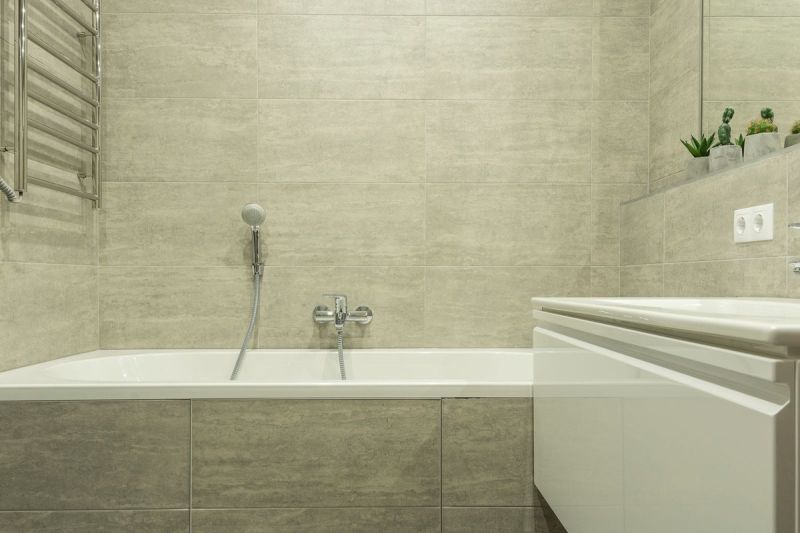
A full renovation strips the room to bare walls and floor. Everything comes out, the first-fix plumbing and electrics get renewed or rerouted, walls are reboarded and tanked where needed, and the room is rebuilt from the shell inward. That's why the cost multiplies by four or five rather than doubling - you're paying for two jobs, demolition and rebuild, plus every trade in sequence. If you're not sure which side of that line your room falls on, Bathroom Fitters Plymouth will tell you straight at the survey stage, including when the honest answer is the cheaper one.
What £1,000 to £3,000 of Refresh Buys in Plymouth
At the £1,000 end, a refresh is cosmetics with a screwdriver: regrout and reseal throughout (£150 to £300 and the single best value job in bathrooms), new taps on basin and bath (£150 to £400 fitted), paint, and a new shower head and hose. That alone takes a decade off most rooms. The middle of the range adds vinyl or LVT flooring at £25 to £45 per m² fitted, a new towel radiator (£150 to £350 fitted), and updated lighting.
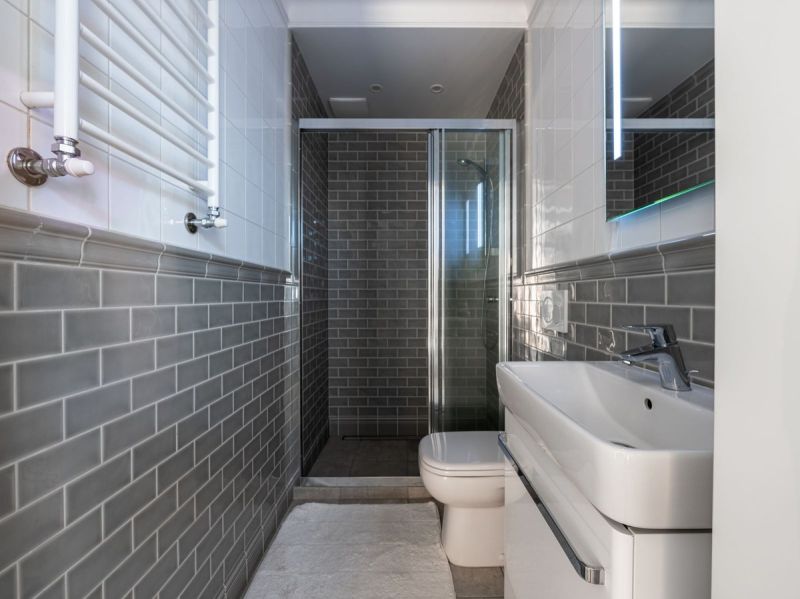
Push toward £3,000 and you can swap individual sanitaryware on existing connections - a new basin and vanity, a new toilet, even a new bath if it goes back in the same spot. You can also overboard tired tiles with wall panels, which is popular here for a reason: panels have no grout for Plymouth's damp winters to attack. With humidity above 80% for much of November to February and around 1,000mm of rain a year, grout in a poorly ventilated Plymouth bathroom goes grubby noticeably faster than the UK average, and about half the "my bathroom looks awful" calls we get turn out to be failed grout and silicone rather than anything structural.
The Refresh Trap: Money Spent on a Room That's Already Failing
The one rule: never refresh over an active fault. Fresh silicone over a leaking shower tray, panels over damp plaster, paint over black mould without fixing the ventilation behind it - each one hides the evidence while the damage compounds. If any of the five signs in the rip-out section below apply, a refresh isn't saving money, it's deferring a bigger bill with interest.
What a Full Renovation Costs in Plymouth and Where the Money Goes
A full renovation in Plymouth typically lands at £5,000 to £7,000 for a straightforward like-for-like rebuild with mid-range fittings, £7,000 to £9,000 with layout changes or a shower-to-bath conversion, and £9,000 to £12,000 for larger rooms, premium fittings or the awkward jobs older houses throw up. Labour is 45 to 55% of the total, which surprises people who budget from showroom prices - a two-to-three-week job with plumber, tiler, electrician and fitter on site is where the money goes, not the toilet.
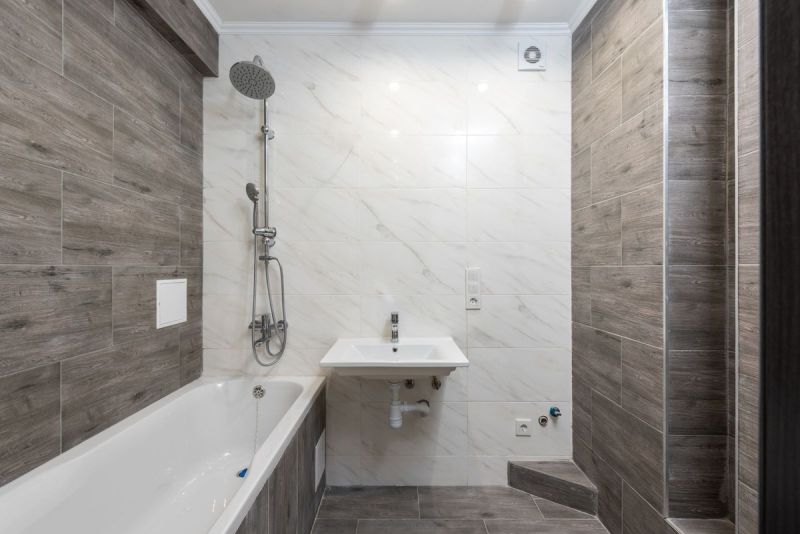
We've broken the full numbers down line by line in our Plymouth bathroom renovation budget guide, so this post won't repeat them. The point for the decision is what the renovation buys that no refresh can: new first-fix plumbing, dry sound walls, correct falls on drainage, tanking in the wet zones, and electrics done to current standards. For an independent sense of national price ranges to check quotes against, Which?'s bathroom costs and buying advice is a useful outside reference before you sign anything.
Five Signs a Refresh Is All You Need
First: everything works. Water drains, nothing leaks, the toilet flushes, pressure is decent - the room is ugly, not broken. Second: the layout already suits you. If the bath, loo and basin are where you'd put them anyway, you're not paying to move drainage, and moving drainage is a renovation-only expense of £500 to £1,500 per relocated fitting. Third: the tiles are sound even if dated - tiles that are stuck fast can be regrouted, painted or panelled over for a tenth of the cost of retiling. Fourth: no damp smell, no lifting flooring, no stains on the ceiling below. Fifth: you might move within five years. Estate agents consistently rank bathrooms among the top rooms buyers judge, and a £2,000 refresh recovers its cost at sale far more reliably than a £10,000 renovation does.
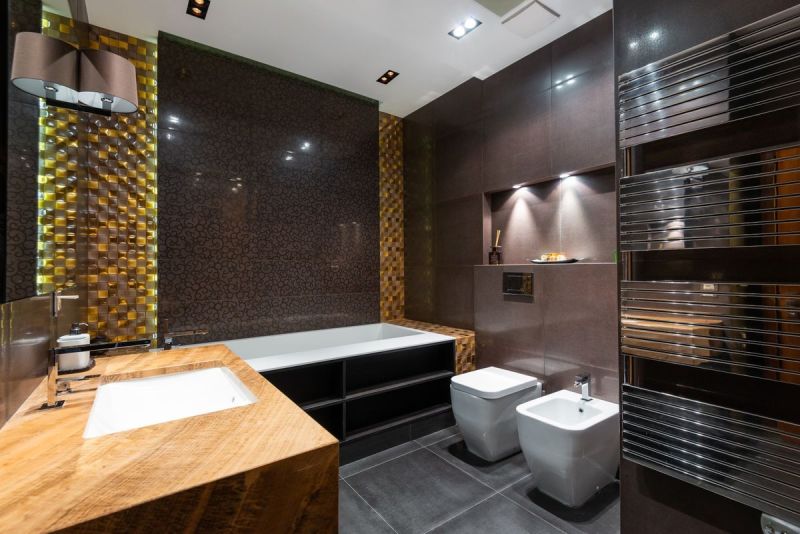
Score four or five out of five, and a refresh is the right call. It's also kinder to family logistics - three or four days with a usable toilet each evening, against two to three weeks of washing at the neighbour's.
When Only a Full Rip-Out Makes Sense
Some problems live behind the finishes, and no amount of surface spending touches them. Leaks and hidden damp top the list: a shower that's been weeping into the wall or floor for years means the substrate has to come out, full stop. In Plymouth's older stock that's common - the city has one of the higher proportions of pre-1945 housing in the South West, and the Victorian terraces around Stoke, Mutley and Peverell hide lath-and-plaster walls and timber floors that soak up decades of slow failure.
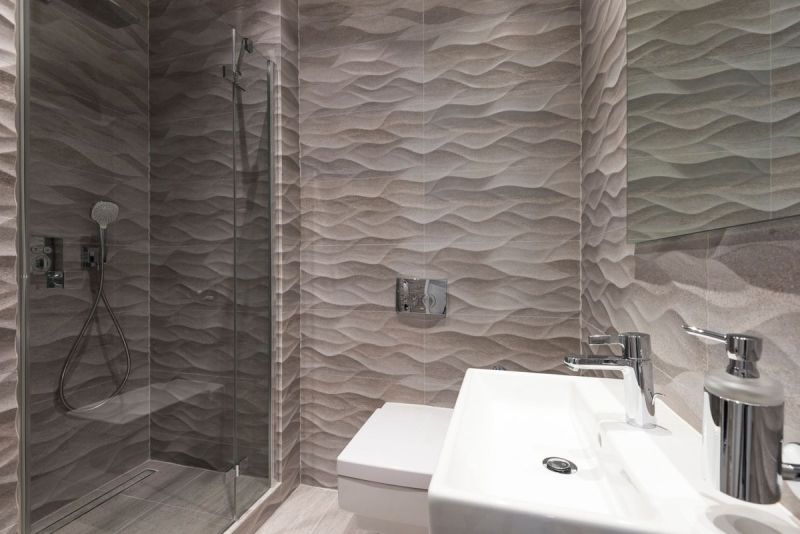
Plumbing age is the second trigger. Post-war Plymouth was rebuilt at speed after the Blitz flattened whole districts, and thousands of those homes still run 1950s-60s imperial pipework, and the oldest terraces occasionally something worse. If every small job on your bathroom turns into a fight with corroded fittings, renewing the first fix once beats patching it forever. Third is layout: if the room genuinely doesn't work - a bath nobody uses where a shower should be, a door that hits the basin - only a rebuild fixes it. Fourth is electrics that predate modern zone rules, and fifth is accessibility, where a level-access shower for an older relative is structural by definition.
The Regulations Line
The refresh-renovation line roughly tracks the regulations line, which is a handy cross-check. Like-for-like swaps generally aren't notifiable, but new drainage connections, moved soil pipes, new circuits in a bathroom and structural alterations are - the government's guidance on when Building Regulations approval is needed sets out which. If your plans involve notifiable work, you're in renovation territory whether you'd planned to be or not, so budget accordingly.
The Plymouth Factor: Damp Air, Soft Water, and Finding the Trades
Local conditions genuinely shift the maths here. The coastal damp pushes bathrooms toward failure faster - ventilation matters more in Plymouth than in a dry inland town, and a renovation is the only point at which a proper extractor ducted to outside gets installed easily. If your bathroom has no working extraction and grows mould every winter, weight your decision toward the fuller job, because that fault regenerates every surface problem you refresh away.
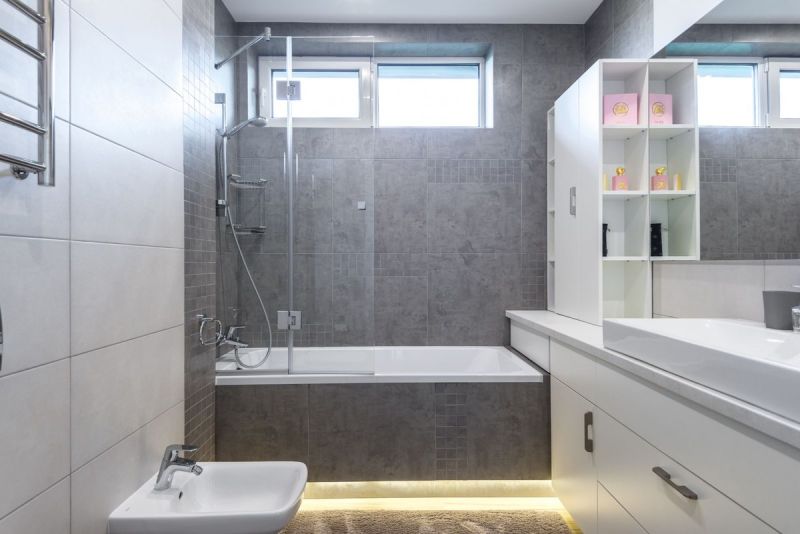
The soft Dartmoor water pulls the other way, and in your favour. At roughly 20 to 40mg/l calcium carbonate, Plymouth water barely scales anything, so taps, showers and heating elements here age far more gracefully than in hard-water England. A 15-year-old shower valve in Plymouth is often still serviceable where its Midlands twin died a decade ago - which means "old" is a weaker argument for ripping out here than elsewhere. Judge condition, not age.
On trades: Plymouth's bathroom fitting market is healthy, with a few hundred plumbers and fitters serving the city and waiting lists of two to six weeks for good ones rather than the months seen in some rural Devon spots. Whoever you shortlist, checking them on TrustMark, the government-endorsed quality scheme for tradespeople takes minutes and filters out most of the horror stories.
Making the Call: A Simple Decision Test
Strip it to three questions. Is anything leaking, damp or electrically suspect? If yes, renovate - everything else is decoration on a failing room. Does the layout work for how you actually live? If no, renovate, because layout is the one thing a refresh can never fix. If you answered no leaks and yes to layout: refresh, spend £1,000 to £3,000, and enjoy a room that looks new for 80% less money.
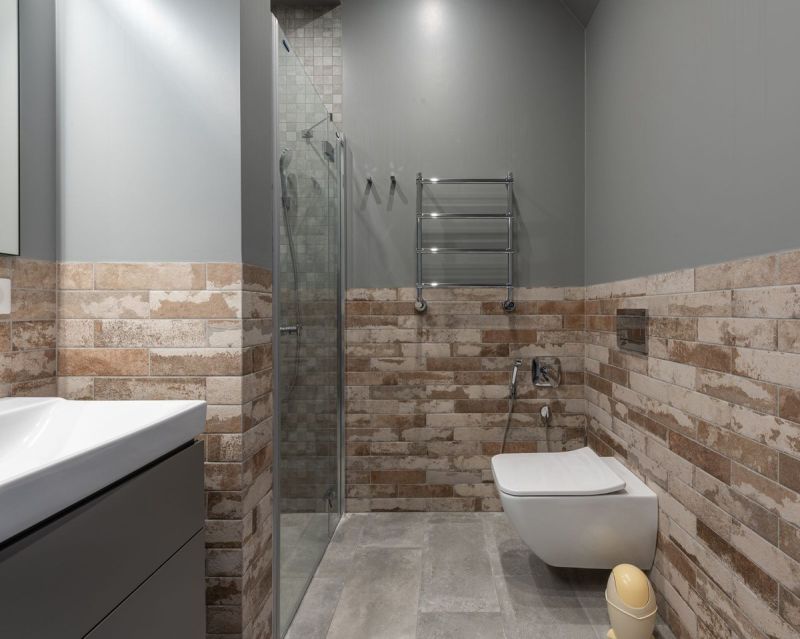
And if you're genuinely torn, spend £150 on the diagnosis rather than guessing: a proper survey with the panel off the bath and a damp meter on the walls tells you in an hour which job you're facing. Cheap insurance against an £8,000 mistake in either direction.
---
FAQ
Q: What's the difference between a bathroom refresh and a full renovation?
A: A refresh changes the visible layer without disturbing what's behind it - taps, sanitaryware on existing connections, regrouting, flooring, paint and panels - and runs £1,000 to £3,000 over three or four days. A full renovation strips the room to the shell, renews first-fix plumbing and electrics, and rebuilds, at £5,000 to £12,000 over two to three weeks.
Q: How do I know if my Plymouth bathroom needs a full renovation?
A: Five triggers: active leaks or hidden damp, corroded pre-1970s pipework, a layout that doesn't work, electrics that predate modern bathroom zone rules, or an accessibility need like a level-access shower. Any one of these puts you in renovation territory, because a refresh over a live fault just hides the damage while it compounds.
Q: Is a bathroom refresh worth it before selling a Plymouth house?
A: Usually yes. A £1,000 to £3,000 refresh - regrouting, resealing, new taps, flooring and paint - recovers its cost at sale far more reliably than a £10,000 renovation, since buyers judge bathrooms on freshness rather than plumbing age. Only renovate before selling if there's a fault a survey would flag anyway.
Q: Why do Plymouth bathrooms need regrouting and resealing more often?
A: The coastal climate - winter humidity above 80% and around 1,000mm of rain a year against a UK average nearer 885mm - keeps bathrooms damp for longer after each use, so grout and silicone discolour and fail faster than average, especially without good extraction. The silver lining is Plymouth's soft Dartmoor water, which means limescale is rarely part of the problem.
---
You might also like
Bathroom Fitters Plymouth