
Bath Replacement in Plymouth: Costs, Options, and What's Involved
A bath replacement in Plymouth is one of the most common jobs we get asked about, and one of the most misunderstood. People either assume it's a full renovation in disguise or a quick afternoon's work, and the truth sits in between. A straight like-for-like swap runs £400 to £1,200 supplied and fitted, takes one to two days, and most of that money goes on labour and making-good rather than the bath itself - a decent acrylic tub can be had for under £150. Around 7 in 10 of the baths we take out of Plymouth homes are original to the bathroom, often 20 to 30 years old, with yellowed acrylic or chipped enamel that no amount of scrubbing fixes. If yours has reached that point, here's what the job actually involves, what each bath type costs, and where the city's housing makes things interesting.
What a Bath Replacement Costs in Plymouth
The headline range for swapping a bath in Plymouth is £400 to £1,200 all in. At the bottom end you're buying a standard 1700mm acrylic bath for £80 to £150, keeping the taps and waste in the same position, and paying a day's labour at roughly £180 to £250. At the top end you're into a heavier steel or freestanding tub, new taps, a new panel, a row of replacement tiles, and a second day of labour. The bath itself is rarely the expensive bit - it's everything around it.
Devon labour rates sit a touch below London but above much of the north, and Plymouth has a reasonable supply of bathroom fitters for a city of 260,000-odd people, so quotes tend to be competitive if you get three of them. If you want a fixed price rather than a guess, the team at Bathroom Fitters Plymouth will look at the actual room before putting a number on it, which matters more for this job than most.
One honest warning on the cheap end of the market. A £400 quote usually assumes the walls behind your old bath are sound and the floor is level. In a lot of Plymouth homes neither is true, and that's where the price creeps. More on that below.
Acrylic, Steel or Cast Iron: Choosing the Bath Itself
Acrylic is the default and for good reason. It's light at 20 to 25kg, warm to the touch, holds heat well, and costs £80 to £300 for a standard double-ended tub. The knock against it is flex - a thin 4mm acrylic bath creaks and bows underfoot, so it's worth paying for 5mm or a reinforced board underneath. Around 8 in 10 of the baths we fit in Plymouth are acrylic, and for a family bathroom that gets used hard, it's the sensible call.
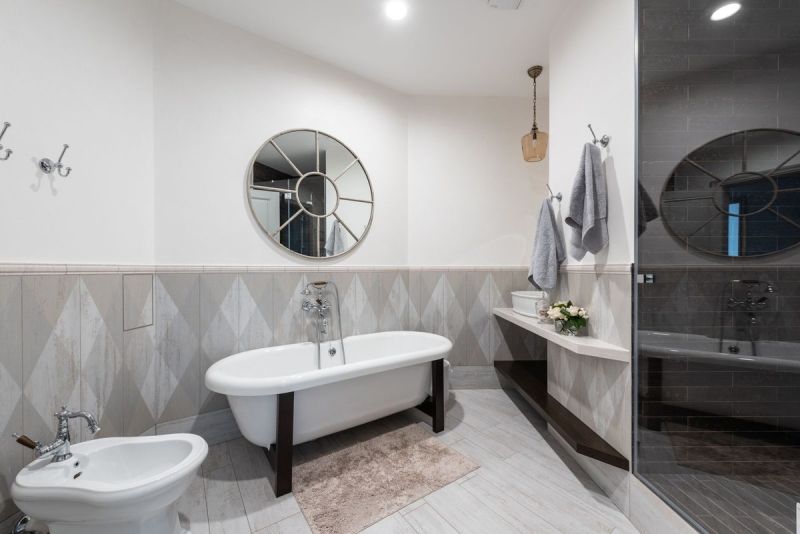
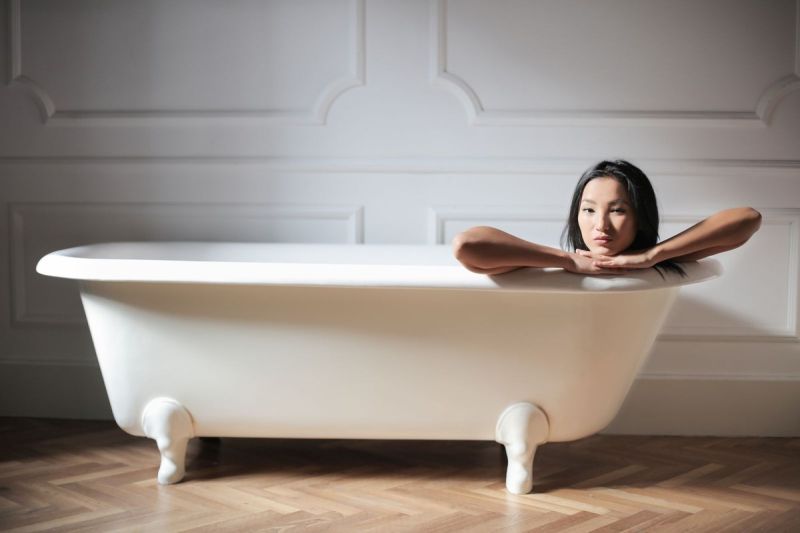
Steel sits in the middle at £150 to £400. It's rigid, the enamel surface shrugs off scratches that would mark acrylic, and it feels more solid without the weight penalty of cast iron - a steel bath is typically 35 to 50kg. The drawback is that enamel chips if you drop something heavy on it, and a chip repair never quite disappears. Cast iron is the heritage option at £400 to £1,500 and up, and it's a commitment: a full tub can weigh 100 to 130kg empty, before you add 200-plus litres of water and a person. On a suspended timber floor in a Victorian terrace, that's a structural question, not a style one. For an independent view of how the brands and materials stack up, Which?'s bathroom reviews and buying advice is worth twenty minutes before you order anything.
A Word on Freestanding and Odd-Shaped Baths
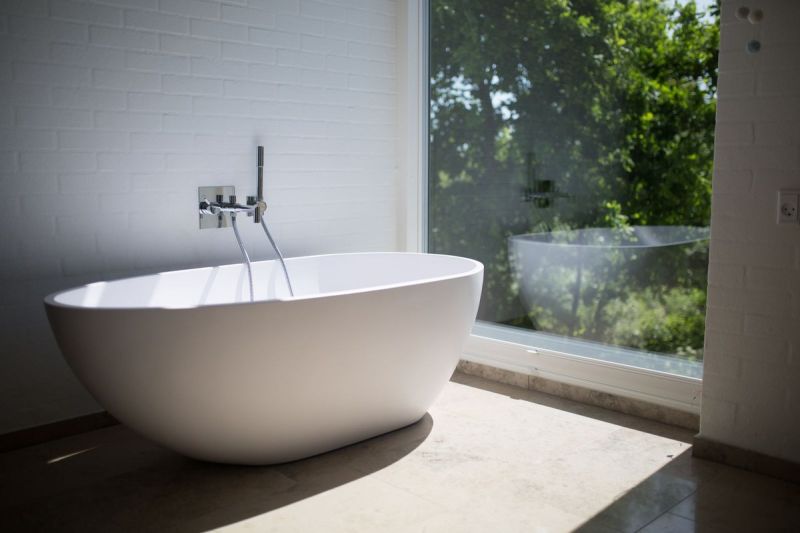
Swapping a standard bath for a freestanding one is a different job, not a variation on this one - the plumbing usually has to move to the floor or a different wall, and the price roughly doubles. We've covered that whole subject separately in our guide to freestanding baths in Plymouth homes, so if that's the direction you're leaning, start there. Corner and space-saver baths are also swaps in name only, since the tiling and waste rarely line up with what came out.
What the Job Actually Involves, Step by Step
Day one starts with isolation and demolition. Water off, taps disconnected, waste unscrewed, panel off, and the old bath cut free of its silicone and lifted out - ten minutes for acrylic, a two-person grunt for cast iron. What's underneath is the moment of truth. Under maybe half the baths we remove in Plymouth, the floor and lower wall are fine. Under the rest there's something to deal with: a soggy patch of chipboard where the seal failed years ago, crumbling plaster, or the odd bodged pipe joint from a previous owner's DIY.
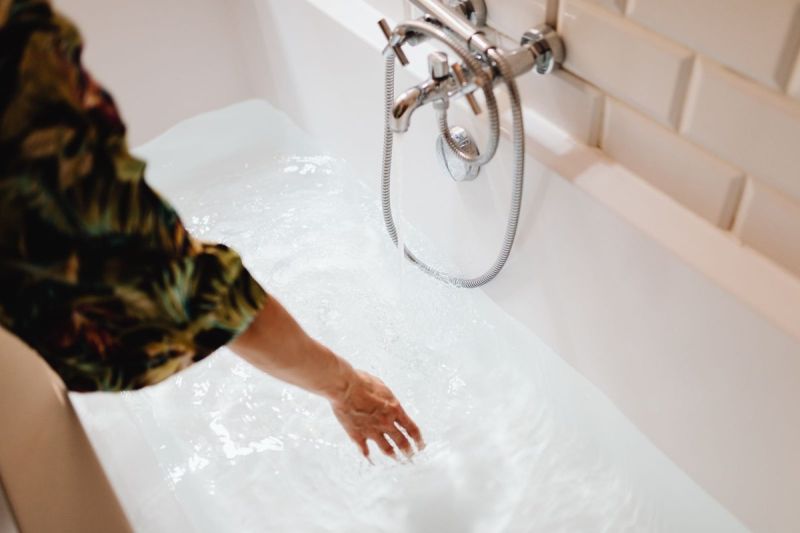
Then the new bath goes in. It gets levelled on its cradle or feet - and levelling matters, because a bath that's 5mm off drains badly and pools water at one end - the waste and overflow are connected, taps go on, and the whole thing is filled to full weight before it's sealed. That last step is the one corner-cutters skip. A bath settles 2 to 3mm under the weight of 200 litres of water, and if you silicone it empty, the seal tears the first time someone has a deep soak. Day two, if there is one, covers the tiling row above the rim, the panel, and final sealing once everything has settled.
Why Plymouth Homes Complicate a Simple Swap
Plymouth's housing stock splits roughly in two, and each half brings its own problem to a bath replacement. The post-war homes - the huge rebuild that followed the Blitz, when around 3,700 homes were destroyed and tens of thousands damaged - have boxy, regular bathrooms that take a standard 1700mm bath happily. Their issue is age of materials: original steel baths rusted at the waste, 1950s-60s pipework in imperial sizes that doesn't mate neatly with modern metric fittings, and the occasional surprise behind a hardboard panel.
The Victorian and Edwardian terraces around Stoke, Mutley and Peverell are the opposite. Character everywhere, standard dimensions nowhere. Bathrooms were carved out of bedrooms or built into rear additions, so you meet 1600mm gaps, out-of-square walls, and suspended timber floors with a bit of bounce in them. Getting a rigid bath tight to a wall that wanders 15mm over its length is skilled work, and it's the single biggest reason two quotes for the "same job" can differ by £300.
The coastal air plays a part too. Plymouth's winter humidity regularly sits above 80% and the city gets around 1,000mm of rain a year against a UK average nearer 885mm, so bathrooms here stay damp longer after every use. That's why we find rotten flooring under failed bath seals more often than fitters inland do, and why decent extraction is worth sorting while the bath is out.
Plumbing, Rules, and Who Should Do the Work
A like-for-like bath swap on the same supply and waste doesn't need Building Regulations approval, which surprises people. But the exemption is narrower than it sounds. Move the bath to a different wall, alter or extend the waste pipe, or make a new connection into the soil stack, and the work becomes notifiable. The government's guidance on when Building Regulations approval is needed sets out the line, and it's worth a read before you decide to shuffle the layout while the room's apart.
On the water side, anyone altering your supply pipework should know the Water Supply (Water Fittings) Regulations, and the easy way to check that is to use a plumber registered with WaterSafe, the national register of approved plumbers. It takes two minutes to look someone up. One piece of good local news: Plymouth's water comes largely off Dartmoor and it's properly soft, around 20 to 40mg/l calcium carbonate, so your new taps and waste won't fur up the way they would in Kent. A bath fitted here keeps its shine for years with basic cleaning.
The Hidden Costs That Catch People Out
Almost every bath replacement budget that goes wrong goes wrong the same four ways. First, tiling: the new bath rim almost never sits exactly where the old one did, so you either need a row of tiles replaced (£60 to £150 if matching tiles exist, more if they don't and a whole wall gets redone) or you live with a visible scar. Second, rot: replacing a section of chipboard floor and a patch of plasterboard adds £100 to £250. Third, the small parts: new waste kit, overflow, flexible connectors, isolation valves and silicone add £40 to £80, and cheap quotes often leave them out. Fourth, disposal: taking away an old bath is £20 to £50, and a cast iron one is not going in your car.
Ask for all four in writing before comparing quotes. A fitter who prices them upfront isn't more expensive - they're just more honest about what the job includes.
Should You Add a Shower Screen While You're At It?
If the bath doubles as your shower, yes, and do it now rather than later. A screen costs £60 to £200 and fitting it during the bath job adds under an hour, against a separate call-out later. Around two thirds of the replacement baths we fit in Plymouth are bath-shower combinations, and a properly sealed screen protects the exact wall junction where the old seal probably failed.
How Long It Takes and How to Keep the Bill Down
Plan for one day if it's a genuine like-for-like swap with sound walls, two days if tiling or floor repairs are involved. You'll be without a bath overnight but the toilet and basin stay usable, which is why this job doesn't need the military planning a full renovation does.
Keeping costs down is mostly about restraint. Keep the taps and waste where they are - moving them is where £400 jobs become £900 jobs. Pick a standard 1700 x 700mm bath, because odd sizes cost more and limit your panel options. Buy the bath yourself if you've found a genuine deal, but let the fitter supply the small parts, since the £15 waste kit that fits properly beats the £8 one that doesn't. And don't reseal a failing bath for the third time to put the job off - every month a blown seal weeps into the floor, the eventual bill grows.
---
FAQ
Q: How much does it cost to replace a bath in Plymouth?
A: A straight like-for-like swap runs £400 to £1,200 supplied and fitted. The bath itself is £80 to £300 for acrylic, £150 to £400 for steel, and £400 to £1,500-plus for cast iron, with labour around £180 to £250 a day. Extras like tile repairs (£60 to £150), floor patches (£100 to £250) and small parts (£40 to £80) are what push a quote toward the top of the range.
Q: How long does a bath replacement take?
A: One day for a genuine like-for-like swap where the walls and floor turn out sound, two days where a row of tiles, a floor repair or a shower screen is involved. The bath is out of action overnight between sealing and use, but the rest of the bathroom stays usable throughout.
Q: Do I need Building Regulations approval to replace a bath in Plymouth?
A: Not for a like-for-like swap using the existing supply and waste. The work becomes notifiable if you move the bath, alter or extend the waste pipe, or make a new connection into the soil stack. Anyone altering supply pipework should be registered with an approved scheme such as WaterSafe.
Q: Is an acrylic, steel or cast iron bath best for a Plymouth home?
A: Acrylic suits most homes - it's light, warm and £80 to £300, and Plymouth's soft Dartmoor water keeps it looking new. Steel adds rigidity and scratch resistance for £150 to £400. Cast iron looks the part in a Victorian terrace but weighs 100 to 130kg empty, so on the suspended timber floors common in Stoke, Mutley and Peverell, the floor structure needs checking before you commit.
---
You might also like
Bathroom Fitters Plymouth