
Bathroom Heating in Plymouth: Radiators, Towel Rails, and Underfloor Compared
Heating is the part of a Plymouth bathroom people think about last and regret first. Get it wrong and you have a room that feels clammy eight months of the year, tiles that stay wet an hour after a shower, and towels that never quite dry - which in Plymouth's coastal damp is a fast track to black mould in the grout. There are three real ways to warm the room: a wall radiator, a heated towel rail, or underfloor heating, and most well-planned bathrooms here use two of them together rather than one alone. Costs run from around £150 fitted for a basic radiator to £700-plus for underfloor heating in a renovation, and running costs vary by a factor of three or four depending on which you pick. With Plymouth recording roughly 1,000mm of rain a year and winter humidity often above 80%, the heating choice matters more here than it does inland. This guide compares all three honestly, so you can spend on the combination that actually keeps your bathroom warm and dry.
The Three Ways to Heat a Plymouth Bathroom
Every bathroom heating decision comes down to three options and how you combine them. A standard wall radiator is the cheapest and most powerful heat source, plumbed into the central heating and doing the bulk of the warming. A heated towel rail is the popular all-rounder - it warms the room and dries towels, and it can run on the heating, on electric, or both. Underfloor heating warms from the ground up, frees the walls, and suits Plymouth's cold solid floors, but costs the most to install. Roughly 6 in 10 of the full bathroom renovations we quote in Plymouth now pair a heated towel rail with underfloor heating, while smaller or budget jobs stick with a radiator or a rail alone.
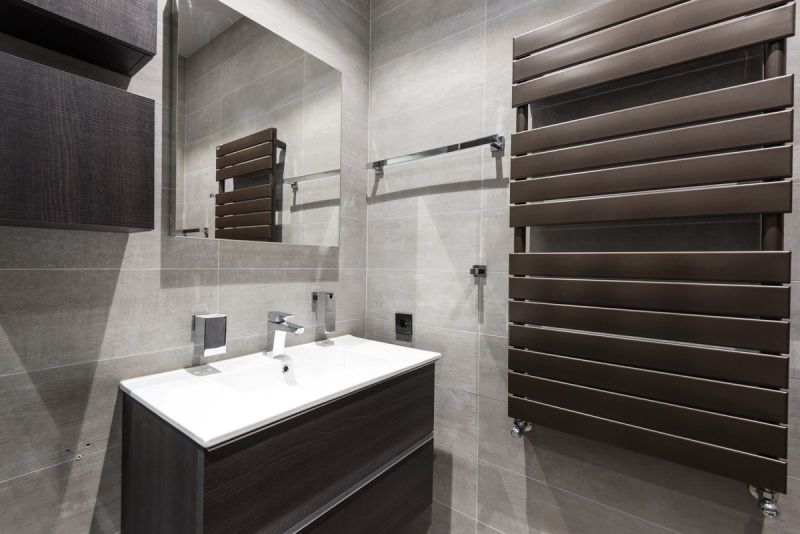
The right answer depends on the room size, how the bathroom is used, and how much disruption you'll accept. A small ensuite used in short bursts has different needs from a family bathroom running from 6am to 10pm. If you want a room-specific recommendation before you commit to any of it, the team at Bathroom Fitters Plymouth can run the heat-loss sums and tell you honestly which combination is worth the money - and which upgrade to skip. The rest of this guide walks through each option so the recommendation makes sense when you get it.
Bathroom Radiators: The Traditional Workhorse
The humble wall radiator is still the cheapest way to put serious heat into a bathroom, and for a lot of Plymouth homes it's all that's needed. Plumbed into the existing central heating circuit, it costs essentially nothing extra to run on top of the heating you're already paying for, and a decent compact radiator delivers far more output for the money than any towel rail. Supply is £40 to £200 for a standard white panel radiator, and fitting a like-for-like replacement is usually £120 to £250, making it comfortably the lowest-cost option at £150 to £450 all in.
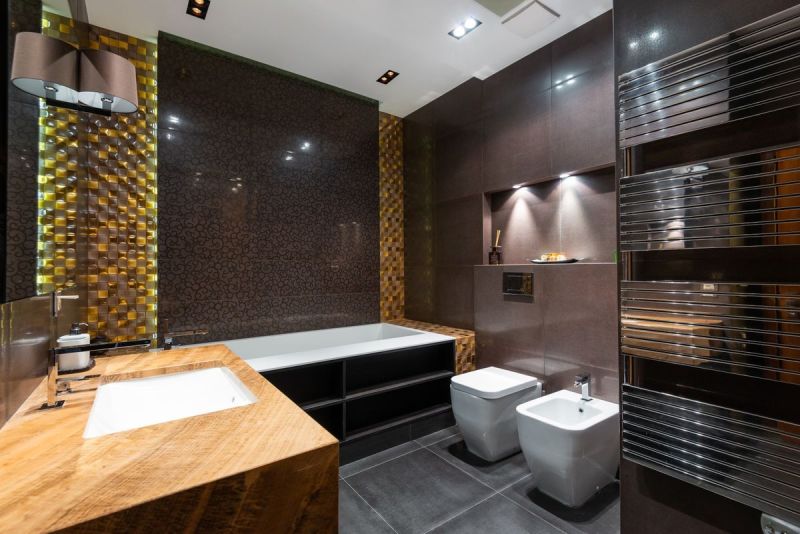
The downside is what it takes off the wall. In a Plymouth bathroom that's often 5 to 6m² with a bath, basin and toilet already fighting for space, a full-height radiator eats a chunk of wall that could hold storage or a towel rail. That's exactly why the plain radiator has lost ground to towel rails and underfloor heating in renovations - not because it heats poorly, but because wall space is scarce. Where a radiator still wins outright is a large, cold, solid-walled bathroom that needs raw output, or a budget refit where every pound counts.
Sizing and BTUs
A radiator that's too small is a waste of a wall, and it's the mistake we correct most often. Bathroom heat requirements are measured in BTUs, and they climb fast with room size and heat loss. A small cloakroom needs around 1,500 to 2,500 BTU, a standard 5 to 6m² family bathroom wants 3,000 to 4,500 BTU, and a large or poorly insulated room in one of the city's older solid-walled terraces can need 5,000 BTU or more. Plymouth's high winter humidity means bathrooms here often feel colder than the thermostat reads, so it's worth sizing at the upper end of the range rather than the lower.
Heated Towel Rails: Warmth and Dry Towels in One
The heated towel rail has become the default for good reason - it does two jobs at once. It warms the room and keeps towels dry, which in Plymouth's damp air is worth more than it sounds, because a towel that never fully dries is a source of both smell and mould. A rail can be plumbed into the central heating, run purely on electric, or set up as dual fuel so it works in summer when the boiler's off. Supply runs £80 to £350 for a standard chrome or anthracite rail, with fitting at £150 to £320, so a typical installed cost lands around £250 to £600.
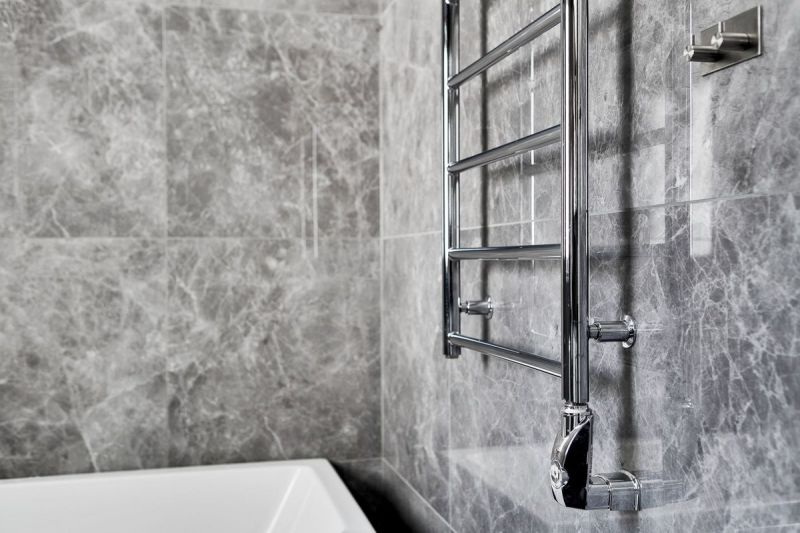
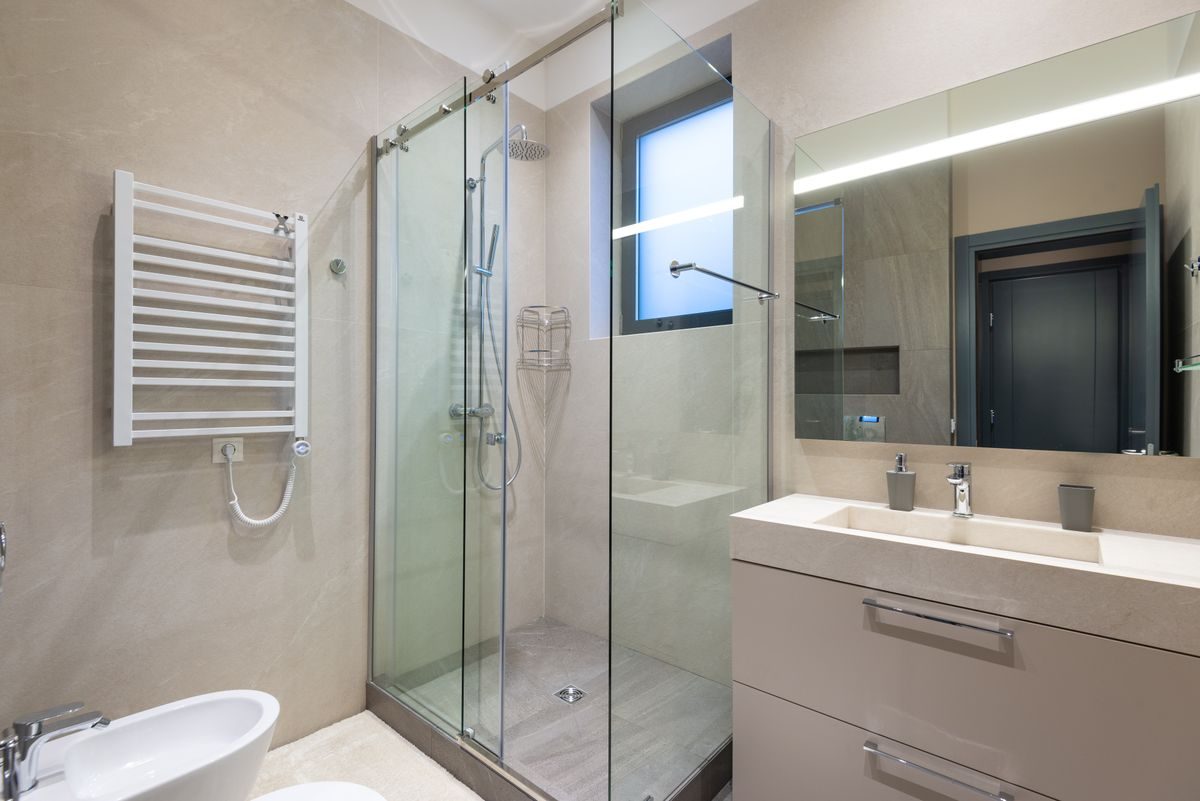
The one honest caveat is heat output. Bar for bar, a towel rail puts out less warmth than a solid panel radiator of the same footprint - typically 500 to 1,500 BTU against a radiator's 3,000-plus. In a small, reasonably insulated bathroom a well-sized rail can heat the room on its own, but in a larger or draughty room it's better treated as a companion to underfloor heating or a compact radiator than as the sole heat source. We go into the electric-versus-plumbed-versus-dual-fuel decision, sizing and finishes in far more depth in our full guide to heated towel rails in Plymouth bathrooms, which is worth reading before you buy one.
Underfloor Heating: Warm Floors and No Wall Space
Underfloor heating solves the two problems the other options can't - it uses no wall space at all, and it warms the floor you actually stand on. For Plymouth that second point is a real benefit: the city's post-war rebuild homes sit on cold, uninsulated concrete ground floors, and the older dockyard terraces have draughty suspended timber, so bathroom floors here run cold year-round. A warm floor keeps the tile surface above the dew point, so tiles dry in 20 to 30 minutes after a shower instead of staying wet half the morning - a genuine defence against the condensation and mould that plague damp coastal bathrooms.
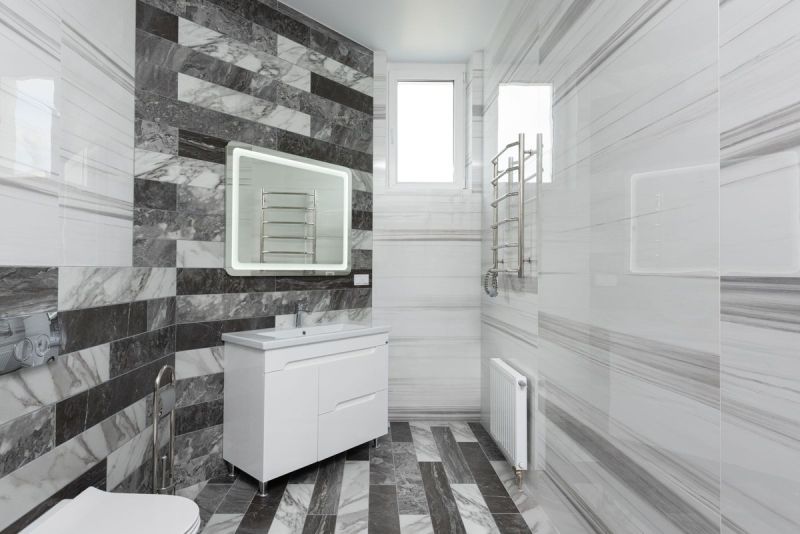
An electric mat system for a typical 4m² Plymouth bathroom costs £400 to £700 supplied and fitted within a renovation, and runs at roughly 15 to 25p per hour. It's the priciest to install and, run for long hours, the priciest electric option to run - but used on a timer for morning and evening bursts, most people find it costs £15 to £25 a month in winter. It rarely makes sense as a standalone retrofit of a floor you're otherwise happy with, since lifting and relaying pushes the cost to £700 to £1,200. We cover the electric-versus-water-fed choice and the running-cost detail in our guide to bathroom underfloor heating in Plymouth, including why the insulation boards underneath are not optional on a concrete slab.
Running Costs Compared: The Honest Numbers
Installation is a one-off; running cost is forever, so it's worth being clear about it. A plumbed radiator or plumbed towel rail costs virtually nothing on top of the central heating you're already running - that's their big advantage. Electric heating of any kind, whether an electric towel rail or an underfloor mat, costs roughly three to four times as much per unit of heat as gas, because electricity in the UK is priced at around 25p per kWh against gas at nearer 6 to 7p. That's the single most important number in the whole decision.
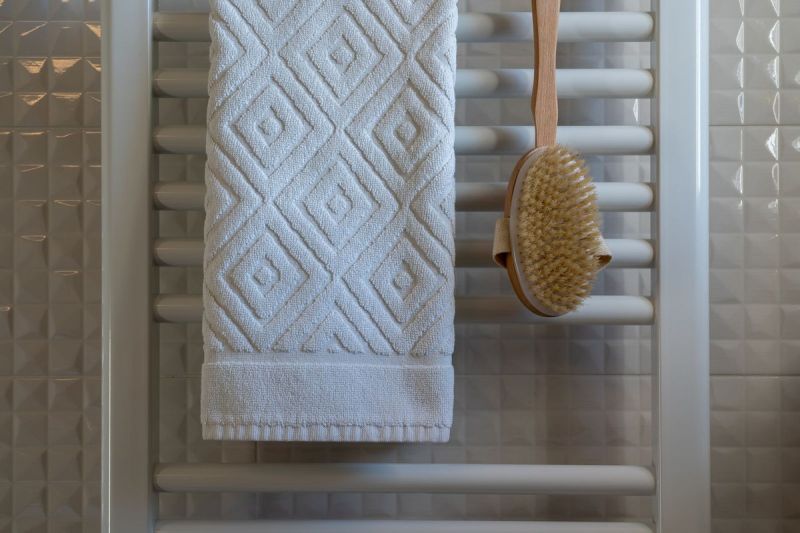
In practice that means an electric towel rail costs about 15 to 30p an hour to run and an underfloor mat around 15 to 25p an hour, while their plumbed equivalents cost pennies. The trick is to use electric heat in short, timed bursts rather than leaving it on - a programmable thermostat with a floor sensor cuts underfloor running costs by 30 to 40% against manual use. Plymouth's mild climate helps here too: the South West is the warmest region in England, with winter lows typically 2 to 3°C above the UK average, so any heating works against a smaller temperature gap than it would in the Midlands or the North. For independent, non-salesy guidance on heating controls and cutting running costs, the Energy Saving Trust's advice on thermostats and heating controls is a solid reference.
Which Combination Works Best in a Plymouth Bathroom
For most Plymouth bathrooms the sensible answer isn't one heat source - it's two working together. Our honest steer breaks down by room. In a small ensuite or cloakroom under 4m², a single well-sized dual-fuel towel rail usually does the whole job, warming the room and drying towels for the lowest fuss. In a standard family bathroom of 5 to 6m², the winning pairing is underfloor heating for the room warmth and a towel rail for the towels - the floor handles comfort and condensation, the rail handles the laundry, and neither has to be oversized. In a large or poorly insulated bathroom in an older solid-walled terrace, keep a compact plumbed radiator or a high-output towel rail for raw heat and add underfloor if the budget allows.
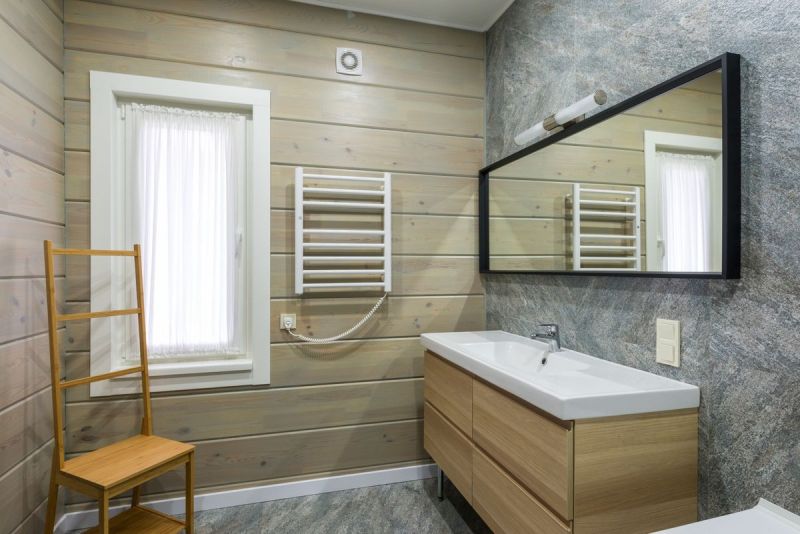
The one combination to avoid is relying on a single undersized electric towel rail to heat a big cold room - it'll run for hours, cost a fortune, and still leave the room chilly. Plymouth's damp is the deciding factor: because the real enemy here is condensation rather than deep cold, a bit of steady background warmth in the floor plus good extraction beats one fierce heat source every time. A fitter worth hiring will run a ten-minute heat-loss calculation on your specific room rather than guessing, and will happily talk you out of an upgrade you don't need.
Regulations, Electrics, and Getting It Right
Any electric heating in a bathroom brings the regulations into play, because a bathroom is a "special location" under the wiring rules thanks to all the water. The electrical connection for an electric towel rail spur or an underfloor heating mat is notifiable work under Part P of the Building Regulations, so it must be done by an electrician registered with a competent person scheme, which lets the work self-certify. Skimp on this and it can hold up a house sale later - we've seen uncertified bathroom electrics flagged in surveys more than once. The government's guidance on when Building Regulations approval is needed explains where the line falls.
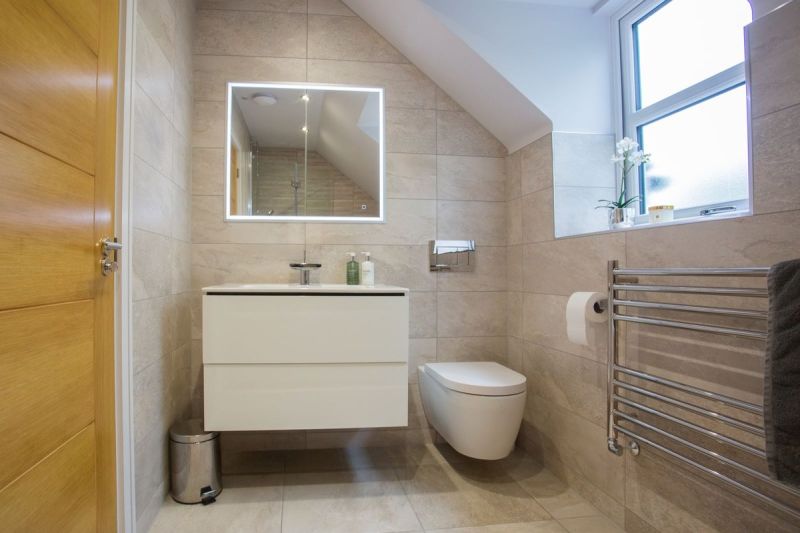
Plumbed radiators and towel rails are simpler on the regulation front but still want a proper job - correctly sized pipework, isolation valves so a future repair doesn't mean draining the whole system, and the heating balanced so the bathroom actually gets its share of hot water. Plymouth has a good supply of bathroom fitters, plumbers and electricians compared with the thinner trade coverage in rural Devon, so waits of more than three to four weeks for a quote are unusual, and there's no need to accept the first name you're given. Ask what's included, ask for the heat-loss reasoning behind the sizing, and get the guarantee in writing.
---
FAQ
Q: What's the best way to heat a bathroom in Plymouth?
A: For most Plymouth bathrooms the best answer is a pairing rather than one heat source. A small ensuite is fine with a single dual-fuel towel rail, while a standard 5 to 6m² family bathroom is best served by underfloor heating for room warmth plus a towel rail for drying towels. In a large or poorly insulated older terrace, keep a compact radiator or high-output rail for raw heat. Because Plymouth's real problem is coastal damp rather than deep cold, steady background warmth plus good extraction beats one fierce heat source.
Q: Is a heated towel rail enough to heat a bathroom on its own?
A: In a small, reasonably insulated bathroom, a well-sized rail can heat the room - but bar for bar a towel rail puts out far less heat than a panel radiator, typically 500 to 1,500 BTU against 3,000-plus. In a larger or draughty room it's better as a companion to underfloor heating or a compact radiator than as the sole heat source. Check the BTU requirement for the room before removing an existing radiator.
Q: What's the cheapest bathroom heating to run in Plymouth?
A: A plumbed radiator or plumbed towel rail is cheapest to run, costing almost nothing on top of the central heating you already pay for. Electric options - an electric towel rail or underfloor mat - cost roughly three to four times as much per unit of heat, because electricity is around 25p per kWh against gas at 6 to 7p. Used on a timer in short bursts, electric underfloor heating still comes in around £15 to £25 a month in winter.
Q: Do I need a certified electrician for bathroom heating in Plymouth?
A: For any electric heating, yes. The electrical connection for an electric towel rail spur or an underfloor heating mat is notifiable under Part P of the Building Regulations, because a bathroom is a special location, so it must be done by an electrician registered with a competent person scheme. Uncertified work can cause problems when you sell the house. Plumbed radiators and rails don't need this but should still be fitted by a competent plumber with proper isolation valves.
---
You might also like
Bathroom Fitters Plymouth