
Basins and Vanity Units in Plymouth Bathrooms: Types, Costs, and Choosing Well
The basin is the fixture a Plymouth bathroom gets used at more than any other - hands, teeth, faces, the lot, easily 15 to 20 visits a day in a family home - and yet it's usually the last thing people think hard about. Most spend weeks agonising over tiles and then pick a basin off a showroom shelf in ten minutes. That's a shame, because the basin and the unit under it do a lot of quiet work: they decide how much storage you get, how tidy the plumbing looks, and how the whole room reads. A basin alone runs £40 to £300, a vanity unit adds £150 to £900 on top, and roughly 6 in 10 of the bathrooms we fit in Plymouth now go for a vanity rather than a bare pedestal, mostly to claw back storage in rooms that average under 6m². Here's how the types differ, what they cost fitted, and the local details that decide which one belongs in your room.
The Main Types of Basin
There are really only a handful of basin shapes worth knowing, and each suits a different Plymouth room. The pedestal basin - the classic one on a ceramic column - is still the cheapest and most familiar, hiding the pipes down the pedestal and needing no cabinetry. It's the default in a lot of the city's post-war semis and does the job for £40 to £150 supplied. A semi-pedestal is the same idea with a shorter stub that fixes to the wall, freeing the floor beneath for easier mopping. If you're weighing up a full refit and want an honest steer on which basin suits your layout before you buy anything, the team at Bathroom Fitters Plymouth will talk it through without pushing you toward the dearest option.
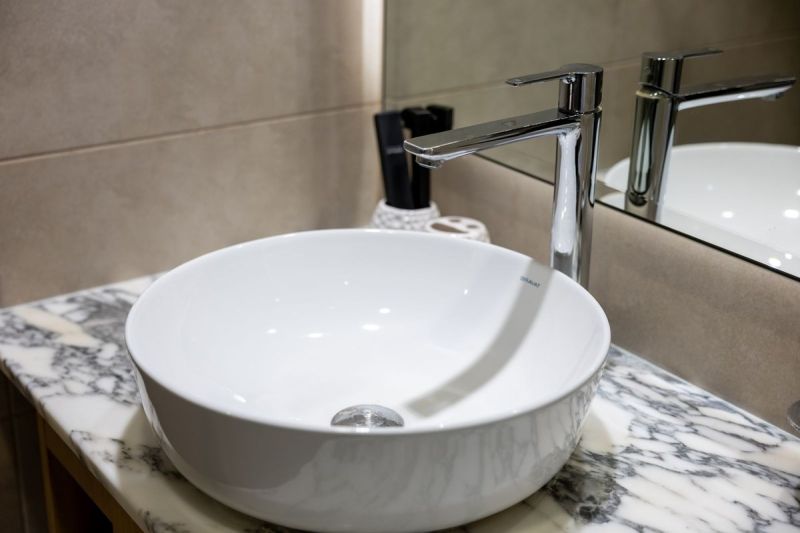
Then there are the units that sit on or in furniture. A countertop (sit-on) basin perches on top of a vanity or worktop like a bowl and gives a modern, boutique look - popular in Plymouth ensuites, though it raises the effective basin height, which matters if the family includes small children. An inset or semi-recessed basin drops into the top of a vanity unit for a built-in finish. And a wall-hung basin fixes straight to the wall with no support underneath, freeing floor space in the tightest cloakrooms - around 1 in 5 of the small-bathroom jobs we do use one for exactly that reason. Each needs a slightly different tap and waste arrangement, which is where the cost quietly shifts.
Vanity Units: What They Add and What They Cost
A vanity unit is simply a cabinet built around or under the basin, and the reason they've taken over is storage. A pedestal gives you nowhere to put anything; a vanity turns the dead space under the basin into a cupboard that swallows the clutter every bathroom accumulates - spare toilet rolls, cleaning bottles, the hairdryer. In a Plymouth bathroom that's often 5 to 6m² with one small window, that hidden storage is worth more than almost any other single upgrade. It also hides the pipework, which is a genuine bonus in older homes where the plumbing under a basin is rarely pretty.
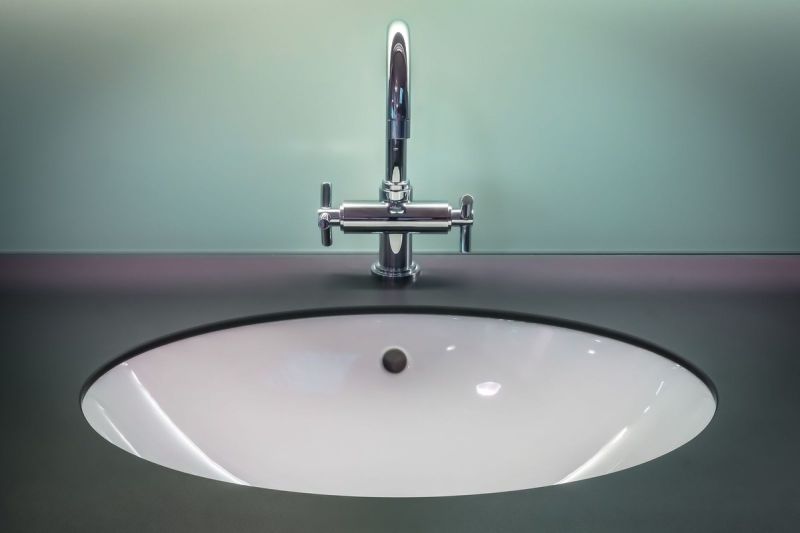
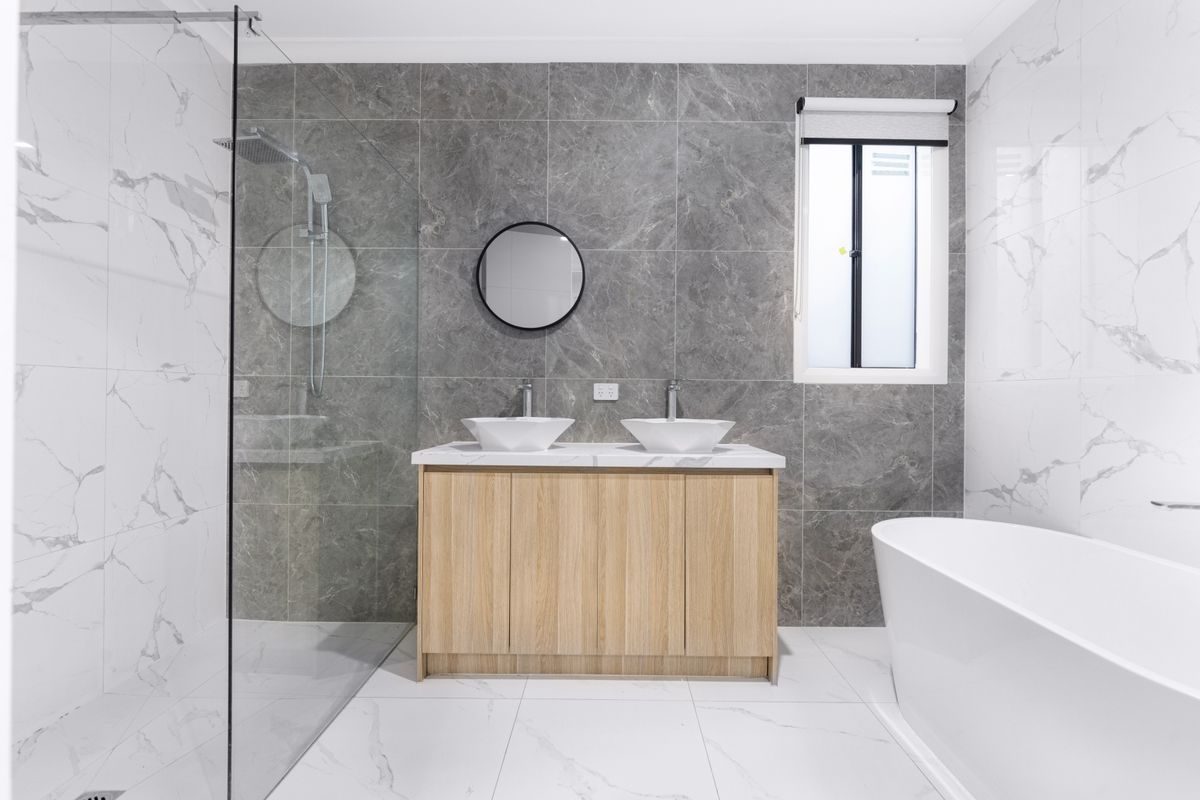
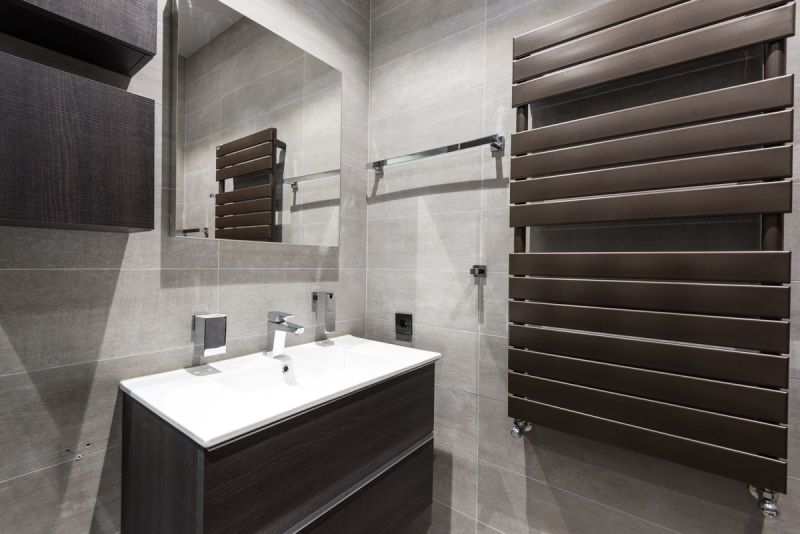
Cost depends heavily on width and whether it's freestanding or fitted. A compact 400 to 500mm freestanding vanity with a basin sits at £150 to £350 supplied. A mid-range 600mm unit with soft-close doors or a drawer lands around £300 to £600. A fitted, made-to-measure run of units along one wall - the kind that squeezes every inch out of an awkward Victorian alcove - runs £600 to £900 and up before fitting. Fitting labour on top is usually £120 to £250 for a straightforward swap, more if the waste and supply need moving to suit the new unit.
Freestanding vs Fitted vs Wall-Hung
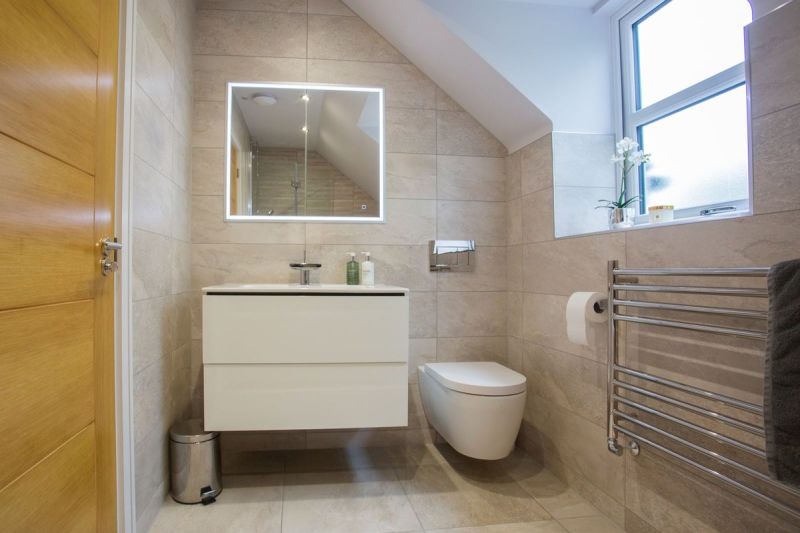
If your bathroom is a standard rectangular room, a freestanding vanity is the easy win - it's cheaper, quicker to fit, and simple to replace down the line. Fitted units earn their higher price in awkward spaces: the chimney-breast alcoves and sloping-ceiling bathrooms common in Plymouth's older terraces, where a made-to-measure cabinet uses space a boxed unit would waste. Wall-hung vanities, mounted off the floor entirely, are the choice for small rooms and modern schemes - that visible strip of floor beneath makes a tight bathroom feel less boxed-in, and mopping under it takes seconds. The catch is they need a solid fixing, so on a stud or lath-and-plaster wall a fitter may add a timber support, adding an hour or so to the job.
Materials and What Lasts in Plymouth
What a basin is made of matters more here than in a lot of the country, because of the local water and air. Vitreous china and fireclay ceramic are the standard, and they're a good fit for Plymouth: the water is soft, drawn largely off Dartmoor's granite catchments, so limescale barely marks the glaze and a ceramic basin stays looking new for years where a hard-water area would see chalky rings. Ceramic basins run £40 to £250 and are the sensible default for 80% or more of the bathrooms we fit.
The vanity carcass is where the coastal climate bites. Plymouth sits on the Sound with winter humidity often above 80% and around 1,000mm of rain a year against a UK average nearer 885mm, so a bathroom cabinet lives in damp air for a good eight months. Cheap chipboard or MDF units with thin foil wrap swell and blow at the edges within a couple of years if the wrap lifts near the basin. It's worth paying a little more for a moisture-resistant board with fully sealed edges, or a solid or acrylic-fronted unit, and pairing it with decent extraction. For an independent sense-check on which basin brands and materials actually earn their price, consumer group Which?'s bathroom reviews and buying advice is more honest than any showroom.
Solid surface, stone, and glass basins sit at the premium end - £150 to £600 - and look striking, but stone needs sealing and glass shows every water spot, so in a busy family bathroom they're more upkeep than most people want.
Sizing and Layout for Plymouth Bathrooms
Getting the size right is where good and bad basin choices really separate. The single most common mistake we see is a basin that's too big for the room - a grand 700mm unit crammed into a 5m² space so the door catches it or you can't stand at the loo without your knees in the cabinet. Building regulations expect a usable activity space of around 700mm in front of a basin, and in Plymouth's compact terraces and post-war semis that constraint bites fast.
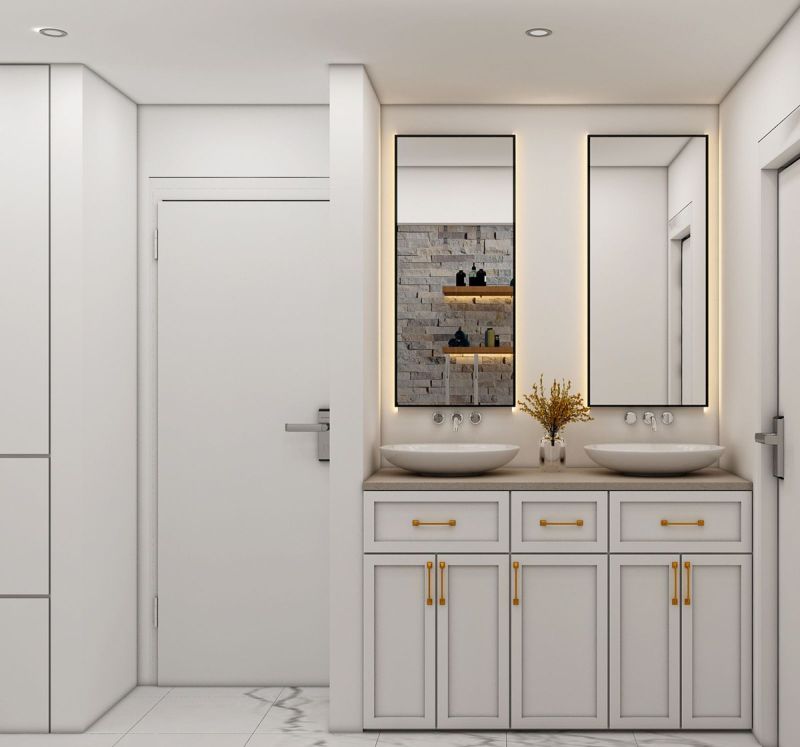
For a typical family bathroom of 5 to 6m², a 500 to 600mm basin or vanity is the sweet spot. For a cloakroom or ensuite under 3m², a 400 to 450mm compact or a corner basin keeps the room usable - corner units are underrated and solve a lot of tight Plymouth downstairs loos. Basin height is worth a thought too: the standard rim height is around 800 to 850mm, comfortable for adults, but a countertop bowl on a vanity can push that past 900mm, which is a stretch for young children and shorter users.
The city's split housing stock shapes this more than most places. The post-war rebuild homes tend to have regular, boxy bathrooms that take a standard vanity happily. The surviving Victorian and Edwardian terraces around Stoke, Mutley and Peverell are the tricky ones - narrow rooms, alcoves, and the odd sloping ceiling where a bespoke or wall-hung unit earns its keep.
Taps, Waste, and the Plumbing Behind the Basin
The basin you pick quietly dictates the tap and waste you need, and that's where a swap can cost more than expected. A basin with a single tap hole takes a mono mixer; one with two holes needs a pair of pillar taps; and a wall-hung or countertop basin often needs a tall or wall-mounted tap to clear the rim. Get this wrong and you're back to the merchant. Taps themselves range from £30 for a basic mono mixer to £200-plus for a decent brand, and here again Plymouth's soft water helps - ceramic tap cartridges last far longer without limescale chewing them up.
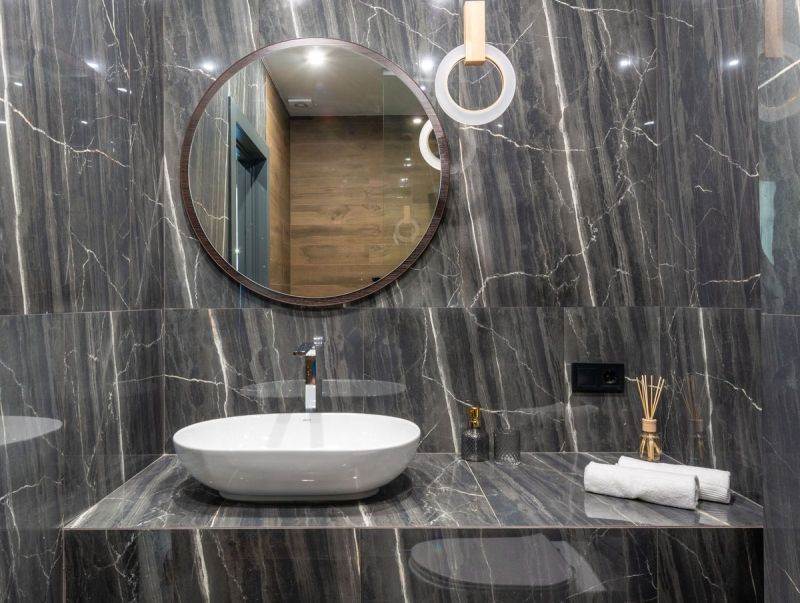
The waste and trap under the basin are the bit people forget. A change from a pedestal to a wall-hung basin usually means the waste pipe has to move up the wall, and on a solid Victorian wall that can mean a chase and some making-good. Any work that alters or extends the waste or connects into the soil pipe should be done properly - anyone connecting or altering your water supply should be on an approved scheme, and you can check a plumber through WaterSafe, the national approved plumber scheme before they start. A like-for-like basin swap on the same waste is a quick job; moving the plumbing is what turns an afternoon into a day.
Choosing Well Without Overspending
The gap between a cheap and a dear quote for the same basin and vanity in Plymouth is usually about scope, not profit. One quote includes the unit, the tap, the waste kit, the isolation valves, silicone and taking the old one away; another leaves half of that as extras you meet on the day. Ask for the basin, the vanity, the tap, the small parts and the labour as separate lines so you're comparing like with like, and check whether moving the waste is priced in or assumed away.
A sensible order of priorities helps: get the size right first, then the storage you actually need, then the material, and treat the finish as the last 10% rather than the starting point. If you're pulling a whole suite together rather than just the basin, it's worth reading our guide to what a full bathroom suite costs in Plymouth so the basin budget sits sensibly against the bath, toilet and shower. And if the work involves moving pipework or drainage rather than a straight swap, it's worth understanding the government's guidance on when Building Regulations approval is needed, so a simple basin change doesn't quietly become a notifiable job without you realising.
---
FAQ
Q: How much does a basin and vanity unit cost in Plymouth?
A: A basin on its own runs £40 to £300 depending on type and material, and a vanity unit adds £150 to £900 on top - roughly £150 to £350 for a compact freestanding unit, £300 to £600 for a mid-range 600mm one, and £600 to £900-plus for fitted made-to-measure runs. Fitting labour is usually £120 to £250 for a straight swap, more if the waste or supply needs moving.
Q: Is a vanity unit or a pedestal basin better for a small Plymouth bathroom?
A: For most small Plymouth bathrooms a compact vanity or a wall-hung unit wins, because it turns the dead space under the basin into storage in a room that's often under 6m². A pedestal is cheaper and simpler but gives you nowhere to put anything. In the very tightest cloakrooms a wall-hung or corner basin frees the most floor space.
Q: What basin material lasts best in Plymouth's climate?
A: Vitreous china or fireclay ceramic is the sensible default - Plymouth's soft Dartmoor water means limescale barely marks the glaze, so a ceramic basin stays looking new for years. The bigger risk is the vanity carcass in the damp coastal air, so choose a moisture-resistant board with sealed edges or a solid front, and pair it with good extraction.
Q: Does fitting a new basin need Building Regulations approval in Plymouth?
A: A like-for-like basin swap on the same waste and supply does not. But if you move the basin, alter or extend the waste pipe, or connect into the soil pipe, that work becomes notifiable, and anyone connecting or altering your water supply should be registered on an approved plumber scheme such as WaterSafe.
---
You might also like
Bathroom Fitters Plymouth