
Bathroom Resealing and Regrouting in Plymouth: Costs and When You Need It
The strip of silicone around your bath and the grout lines between your tiles are the hardest-working, least-noticed parts of a bathroom, and they're usually the first to fail. When silicone goes black and peels or grout crumbles and darkens, it isn't just cosmetic - it's the point where water starts finding its way behind the tiles. Resealing a bath or shower in Plymouth typically costs £80 to £250, and a full regrout runs £250 to £700 depending on the size of the room and how bad things have got. Around 30% of Plymouth's homes predate 1945, and in a coastal city where winter humidity often sits above 80%, sealant and grout simply don't last as long as the manufacturer's optimistic label suggests. Here's what each job involves, what it should cost, and how to spot the difference between a quick refresh and a warning sign.
Resealing vs Regrouting: What's the Difference
People use the two terms interchangeably, but they're separate jobs on separate materials. Resealing is about the flexible silicone - the bead where the bath, shower tray or basin meets the tiled wall, and around the edges of a wet area. That silicone flexes as a bath fills and empties, and over three to five years it loses its grip, discolours and lets water creep behind. Regrouting is about the hard cement-based grout that fills the gaps between the tiles themselves, which cracks, crumbles and stains over a longer timescale of five to ten years. If you're not sure which your bathroom actually needs, Bathroom Fitters Plymouth can take a quick look and tell you honestly whether it's a £120 reseal or a bigger job.
The distinction matters because the two fail for different reasons and cost very differently to fix. A tired silicone bead is a couple of hours' work and a tube of good sealant. A failed grout line across a whole shower wall means raking out and refilling dozens of joints, which is a day's work. Getting the diagnosis right stops you paying for a full regrout when a reseal would do, or worse, resealing over grout that's already letting water through.
The two also do different things. Grout is not waterproof - it's porous, and its job is to hold the tiles and shed surface water, not stop it. Silicone is the flexible waterproof seal at the movement joints. Confusing the two is the single most common reason a bathroom keeps leaking after it's been "sorted".
What Resealing Costs in Plymouth
A standard reseal of a bath or shower in Plymouth costs £80 to £250. At the lower end you're paying for a straightforward single run - stripping the old silicone off a bath edge, cleaning and drying the surface, and laying a fresh bead of quality sanitary sealant. At the higher end you're resealing a full shower enclosure, a bath and a basin in one visit, or dealing with a badly done previous job where three layers of old silicone have to come off first.
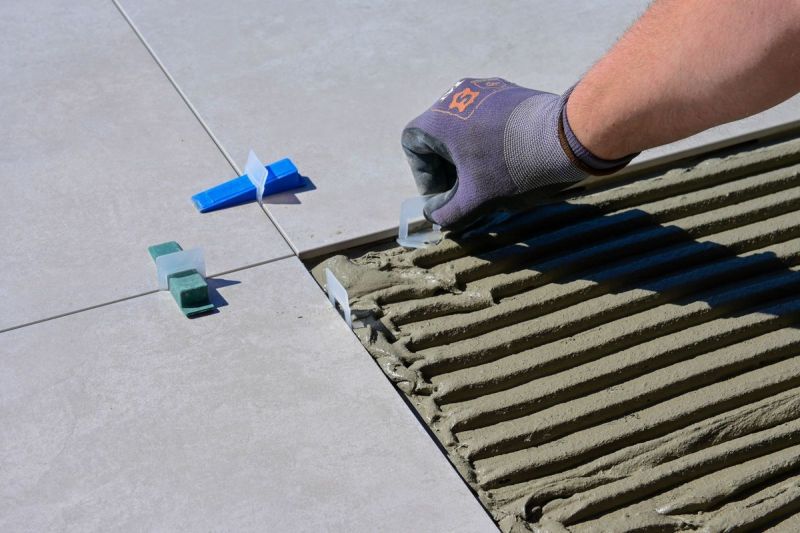
The labour is usually £60 to £150 for one to three hours' work, and materials are modest - a tube of good mould-resistant sanitary silicone is £8 to £15, and a professional will often use two. It's tempting to treat this as a DIY job, and for a tidy single bead it can be, but the failure rate is high: the most common mistake is not removing every scrap of the old silicone, because fresh sealant won't bond to old, and it peels within months.
Where the price climbs is prep. Black, mouldy silicone that's been left too long often means the mould has tracked into the tile edges or the substrate, and cleaning that back properly - sometimes with a fungicidal wash and a full dry-out - adds an hour or two. In a Plymouth bathroom that stays humid through winter, we see this more often than we'd like, which is exactly why doing it properly the first time saves money.
What Regrouting Costs and What's Involved
Regrouting is the bigger job. A full regrout of a shower area in Plymouth typically costs £250 to £700, and doing a whole bathroom's tiling can reach £900 or more depending on tile size and how much has to come out. The work is labour-heavy: the old grout is raked out of every joint with a grout saw or an oscillating tool, the joints are vacuumed and cleaned, fresh grout is worked in and shaped, and the surface is sponged and polished once it's cured.
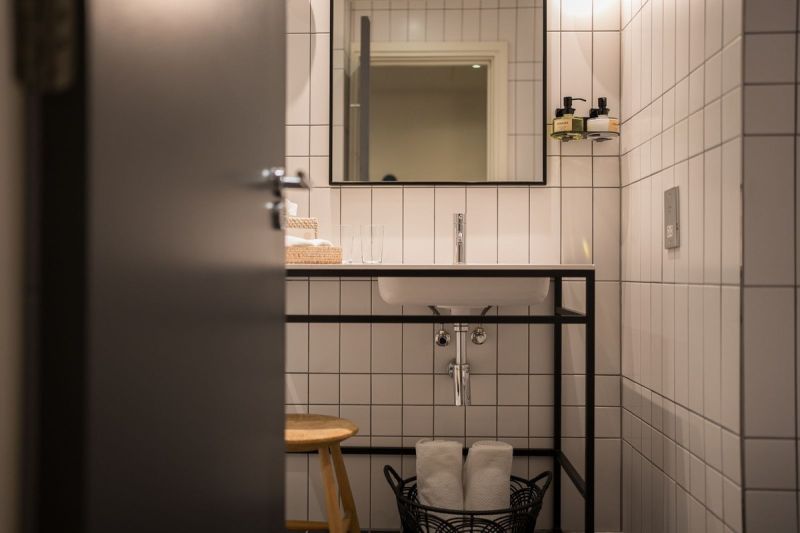
For a standard shower wall of around 3 to 4 square metres, expect the best part of a day's labour at £150 to £300, plus £20 to £50 in materials. Larger-format tiles have fewer joints and go faster; small mosaic tiles have far more grout line per square metre and can double the time. It's fiddly, dusty work, and rushing it shows - which is why a quoted price that seems too low usually means corners will be cut on the raking-out stage.
When a Regrout Isn't Enough
Sometimes raking out the grout reveals that the problem is deeper than the surface. If tiles sound hollow when tapped, if they've started to lift, or if the wall behind feels soft, then water has already got in and no amount of fresh grout will fix it - the tiles need to come off and the substrate needs attention, or proper waterproofing behind them. That's a different conversation, and we cover it in our guide to bathroom waterproofing and tanking in Plymouth, which explains why the layer behind the tiles matters more than the grout in front of it.
How to Tell It's Time to Reseal or Regrout
There are a few clear signals. Black or pink staining on the silicone that won't scrub off is mould that's grown into the sealant, and once it's in there it's coming out only with the silicone. Silicone that's lifting, splitting or peeling at the edges has lost its bond and is letting water past. On the grout side, watch for lines that have gone dark and porous, hairline cracks along joints, or grout that crumbles to powder when you rub it.
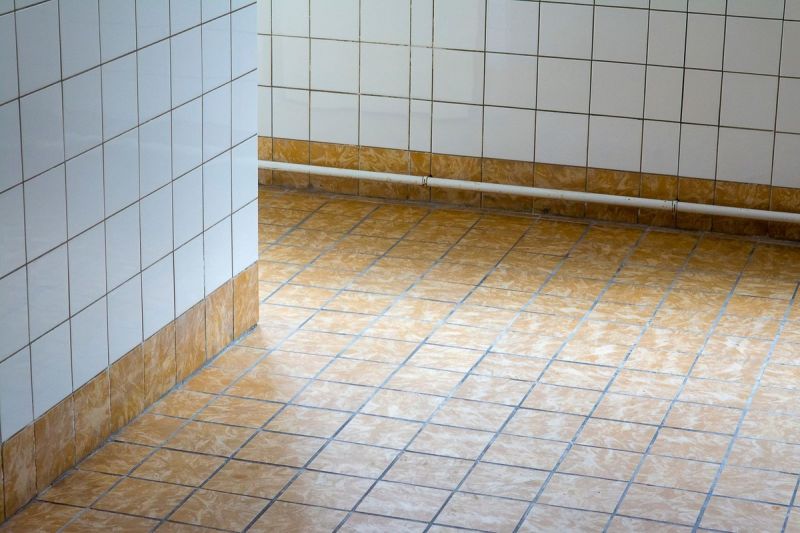
The more serious warning signs are away from the tiles themselves. A damp or musty smell that lingers, a patch of flaking paint or a bulge on the ceiling of the room below a bathroom, or tiles that feel loose all point to water already getting behind the surface. Left alone, a failed seal can quietly cause hundreds of pounds of damage - a small leak can put several litres a week into a floor or ceiling void without ever showing on the surface until the plaster gives way.
Damp bathrooms are also a health issue, not just a maintenance one. The government's own guidance in understanding and addressing the health risks of damp and mould is a useful read if the mould around your bath keeps coming back, because persistent regrowth usually means the underlying moisture problem hasn't been solved.
Why Plymouth Bathrooms Need It More Often
Plymouth's climate is hard on sealant and grout. The city sits on the Sound with prevailing south-westerlies coming straight off the water, around 1,000mm of rain a year, and humidity that regularly sits above 80% through the winter. That constant moisture is exactly the environment mould loves, so silicone that a manufacturer rates for five years might realistically show black spotting in three in a poorly ventilated Plymouth bathroom.
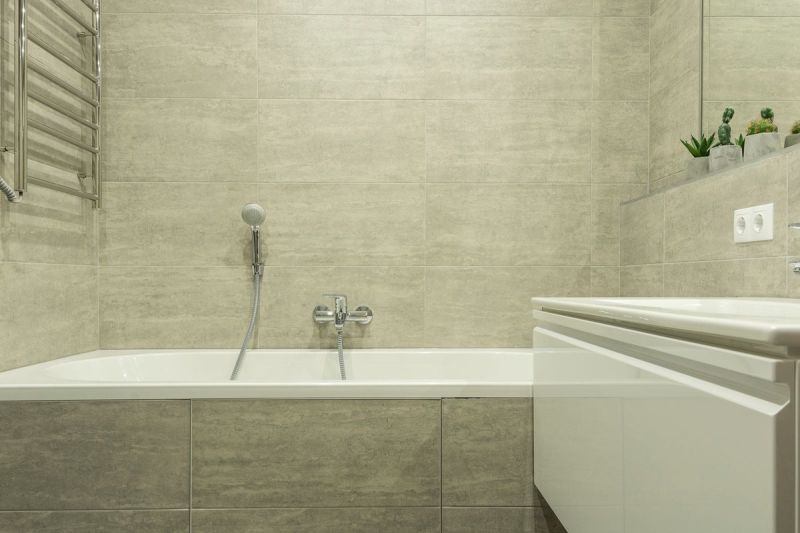
The city's older housing makes it worse. Plymouth rebuilt fast after wartime bombing, leaving a large stock of 1950s and 60s homes alongside Victorian and Edwardian terraces in areas like Stoke, Peverell and Mutley. Many of these have small bathrooms with modest or original extraction, and a room that can't shift its moisture after every shower keeps sealant permanently damp. If your reseal keeps failing within a year or two, the sealant is rarely the real problem - ventilation is.
There's a small silver lining in the water. Plymouth's supply is soft, drawn largely off Dartmoor's granite, so you get far less of the crusty limescale on grout and glass that plagues hard-water areas. That means the grout itself often lasts well here; it's the damp-driven mould on the silicone, not scale, that drives most resealing jobs in the city.
DIY or Call a Professional
For a single, clean silicone bead on a bath edge, resealing is one of the more approachable DIY jobs - a decent sealant gun, a smoothing tool and patience will get a passable result for the cost of a tube. The catch is that the difference between a bead that lasts five years and one that peels in five months is almost entirely in the prep: getting every last trace of old silicone off, cleaning with a solvent wipe, and making sure the surface is bone dry before you start.
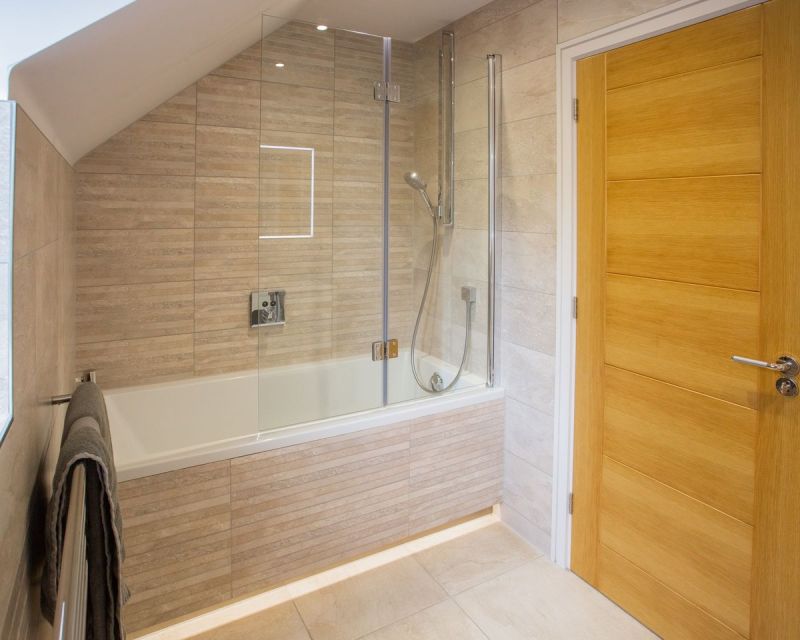
Regrouting is harder to get right as a first-timer. Raking out old grout without chipping the tile edges takes a feel for the tool, colour-matching new grout to old is tricky, and an uneven finish is obvious and permanent. If the job is more than a single small area, or if you've found any sign of water behind the tiles, it's worth getting a professional in - the cost of doing it twice usually dwarfs the saving.
One firm rule: if raking out grout or old silicone uncovers an actual plumbing leak - a weeping joint, a cracked waste, a dripping shower valve - stop and get a registered plumber in. You can check a plumber's credentials through WaterSafe, the national approved plumber scheme, because sealing over a live leak just hides it until it does real damage.
Making a Reseal or Regrout Last
The single biggest thing you can do to make new sealant and grout last in Plymouth is manage moisture. Running an extractor fan during and for 15 to 20 minutes after every shower, wiping down the bath and screen, and leaving the door ajar to let the room dry all cut the damp time that mould needs to take hold. A room that dries out fully between uses can double the life of a silicone bead.
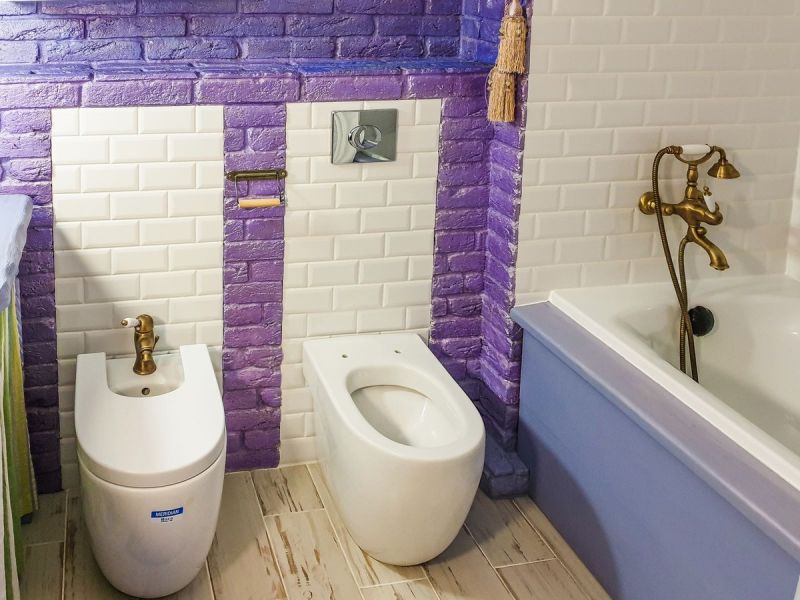
It's also worth spending a little more on the materials. A good-quality mould-resistant sanitary silicone costs only a few pounds more than a basic tube but holds off black spotting far longer, and a decent grout sealer brushed over new grout lines gives the porous cement a fighting chance against constant moisture. For an independent view on which sealants and bathroom products actually perform, consumer group Which?'s bathroom reviews and buying advice is a sensible sense-check before you buy.
Finally, treat resealing as routine maintenance rather than a repair you only do when things look grim. Refreshing the silicone every few years, before it fails, is a £120 job that quietly prevents the £600 one - and in a damp coastal city like Plymouth, that's about the best-value hour a bathroom fitter can spend in your home.
---
FAQ
Q: How much does it cost to reseal a bathroom in Plymouth?
A: Resealing a bath or shower in Plymouth typically costs £80 to £250, with labour of £60 to £150 for one to three hours' work and only a few pounds in sanitary silicone. The price rises if a badly done previous job has to be stripped back or if mould has to be cleaned out of the tile edges before fresh sealant goes on.
Q: What's the difference between resealing and regrouting?
A: Resealing replaces the flexible silicone where the bath, tray or basin meets the wall, which typically fails in three to five years. Regrouting replaces the hard cement grout between the tiles, which lasts five to ten years. Silicone is the waterproof movement seal; grout only holds the tiles and sheds surface water, so the two do different jobs and cost differently to fix.
Q: How often should you reseal a bathroom in Plymouth?
A: In Plymouth's damp coastal climate, where winter humidity often tops 80%, silicone often needs replacing every three to five years rather than the five-plus a label suggests. Good ventilation extends that considerably - a bathroom that dries fully between uses can double the life of a silicone bead.
Q: Can I reseal or regrout a bathroom myself?
A: A single clean silicone bead is a manageable DIY job if you remove every trace of the old sealant and let the surface dry fully first, as fresh silicone won't bond to old. Regrouting a whole shower is harder to get right without chipping tiles or leaving an uneven finish, and if you find any sign of a leak or water behind the tiles it's worth calling a professional.
---
You might also like
Bathroom Fitters Plymouth