
Toilet Replacement in Plymouth: Costs, Types, and What's Involved
A toilet is the one thing in a Plymouth bathroom that gets used ten or more times a day, so when it starts rocking, running or refusing to flush properly, it moves up the priority list fast. The good news is that swapping one out is usually one of the cheapest jobs a bathroom fitter does. A straightforward like-for-like replacement in Plymouth typically runs £200 to £600 including the new toilet and the labour, with the pan and cistern themselves accounting for £80 to £350 of that. Roughly 1 in 3 replacements we see are driven by a hidden leak rather than a cracked pan, and around 30% of Plymouth's housing stock predates 1945, which means a fair few of these swaps involve pipework that hasn't been touched in decades. Here's what the job actually costs, the types worth knowing about, and the local details that decide which one fits.
What a Toilet Replacement Costs in Plymouth
For a genuine like-for-like swap - same spot, same soil connection, same water feed - most Plymouth homeowners pay somewhere between £200 and £600 all in. The labour on its own is usually £120 to £250 for two to four hours' work, and the rest is the toilet. A basic close-coupled unit sits at £80 to £180, a mid-range one with a soft-close seat and a decent flush lands around £180 to £350, and wall-hung or back-to-wall designer units push £350 to £600 before fitting. If you'd like a quick, honest steer on which tier is worth it for your room, the team at Bathroom Fitters Plymouth can talk it through before you buy anything.
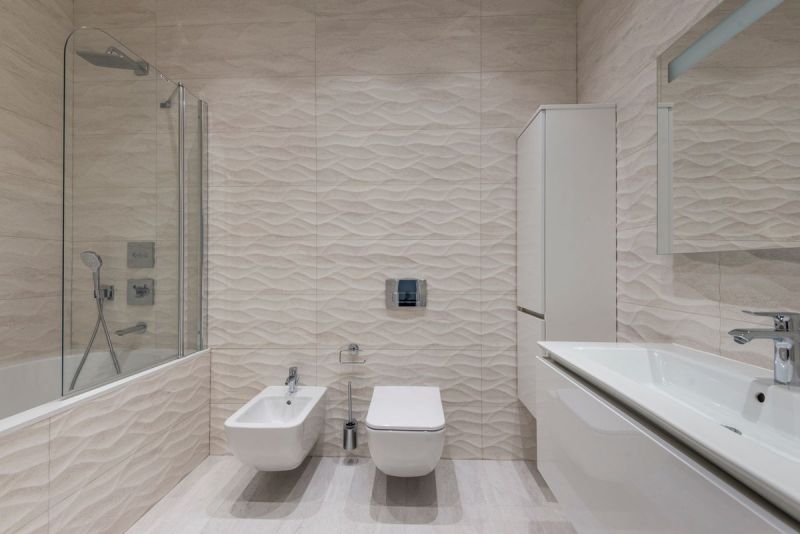
The number climbs the moment the job stops being like-for-like. Moving the pan even 30cm to one side means altering the soil pipe, which can add £150 to £400. Switching from a close-coupled toilet to a wall-hung one means building a stud frame and hiding the cistern, which adds 4 to 6 hours of labour and £300 to £700 on top. And if the old unit has been leaking quietly onto a timber floor, you may be paying for a section of rotten floorboard as well, which is why we always lift and look before quoting a firm figure.
There's also the small stuff that quietly adds up: a new flexible supply hose, an isolation valve, a fresh wax or rubber pan seal, and silicone around the base. On a tidy job these are £15 to £40 in parts, but skipping the isolation valve is a false economy - it's the thing that lets the next repair happen without turning off the whole house.
The Main Types of Toilet, Plainly Explained
There are really only four shapes worth knowing about, and each suits a different Plymouth room. A close-coupled toilet - the familiar one where the cistern sits directly on the pan - is the default for good reason. It's the cheapest to buy and fit, parts are available everywhere, and a plumber can service it in ten minutes. Around 70% of the replacements we do in Plymouth are close-coupled, simply because they suit the compact terrace and semi bathrooms the city is full of.
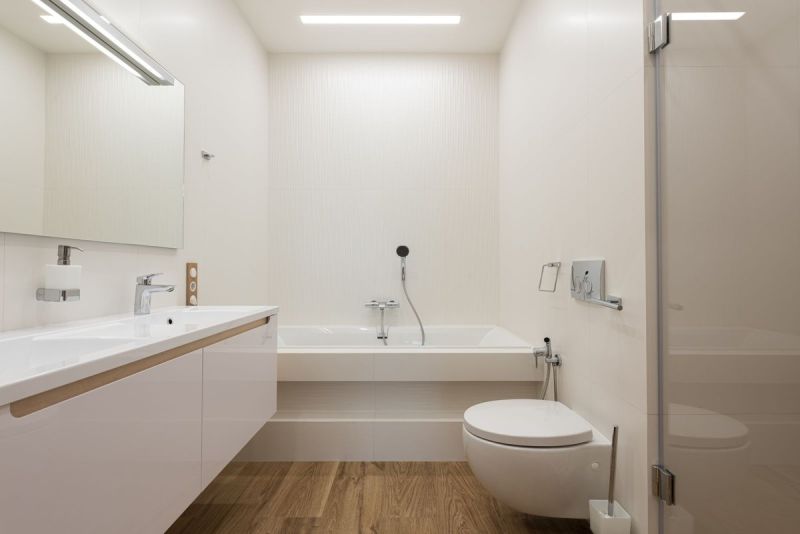
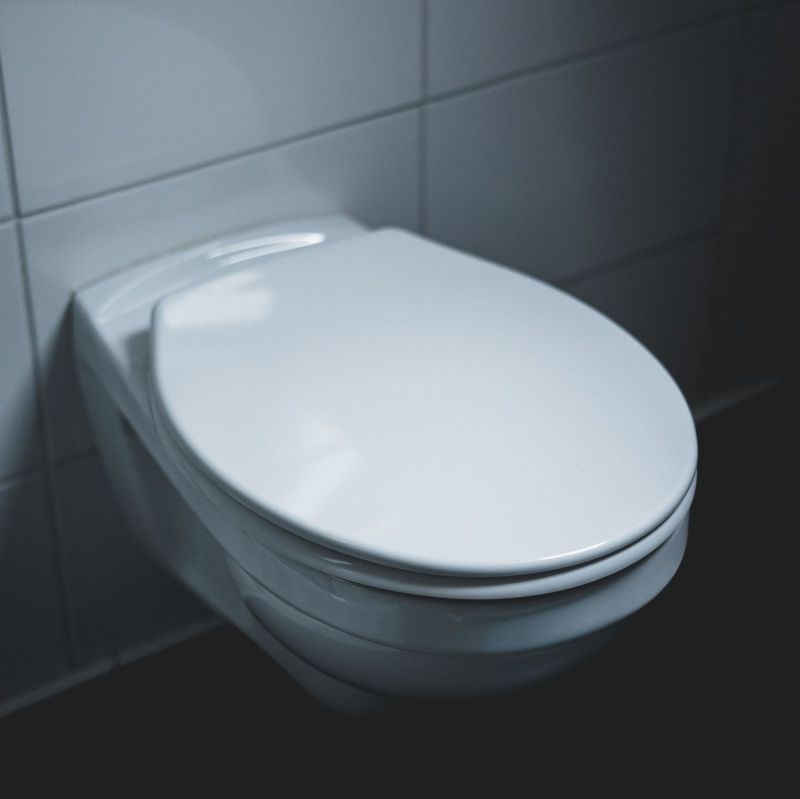
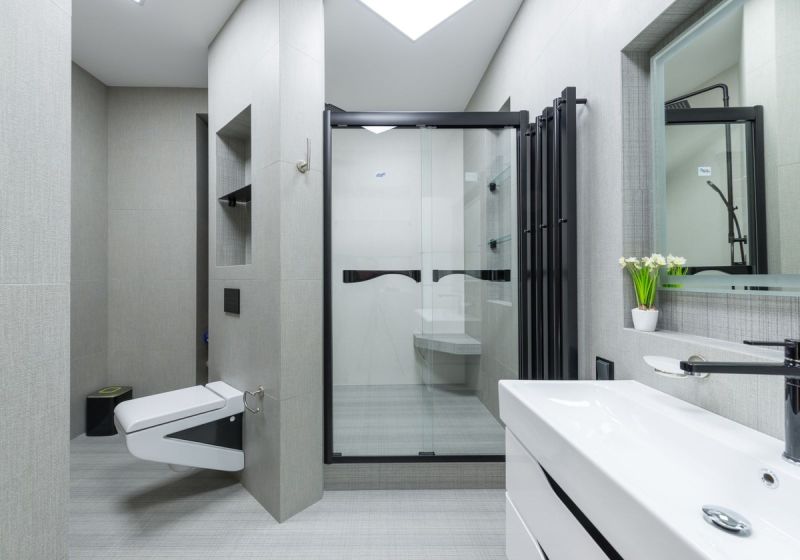
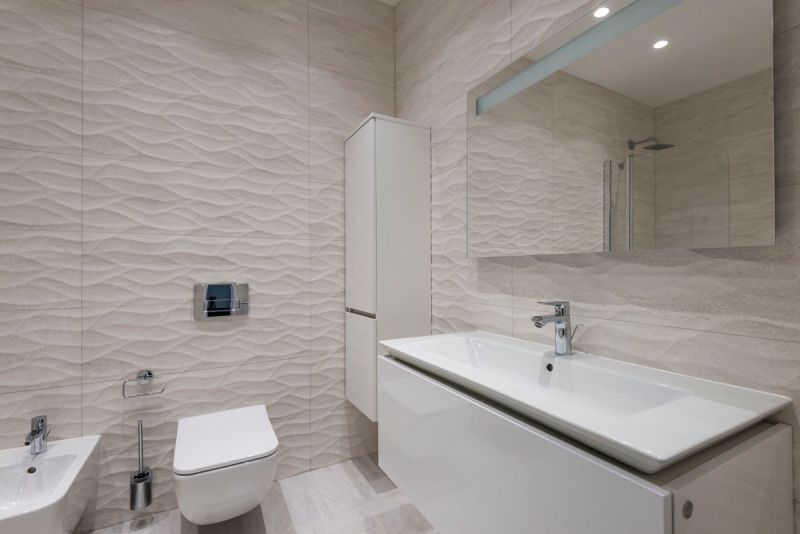
A back-to-wall toilet hides the pipework behind a panel or unit while keeping the cistern accessible, giving a cleaner look for £150 to £400 more than a basic close-coupled. A wall-hung toilet mounts the pan off the floor entirely, with the cistern buried in a steel frame inside the wall - it frees up around 150mm of floor depth and makes mopping underneath trivial, but it needs a solid wall or frame and costs the most to fit. Then there's the traditional high-level or low-level cistern, which you'll still find and sometimes want to keep in the Victorian and Edwardian terraces around Stoke, Mutley and Peverell.
Close-Coupled vs Wall-Hung: Which Wins in a Plymouth Bathroom
If your bathroom is a typical 2.2m by 1.7m terrace room, a close-coupled toilet is almost always the sensible choice - it's cheaper, faster, and easier to repair when something goes wrong in ten years' time. Wall-hung units genuinely shine in two situations: a small room where that reclaimed 150mm of floor makes it feel less cramped, and a modern ensuite where the flush-to-wall look is the whole point. Just budget honestly, because a wall-hung set-up can cost two to three times what a close-coupled swap does once the concealed frame and stud work are counted. We go through the wider layout trade-offs in our guide to downstairs toilet installation in Plymouth, which is worth a read if you're tight on space.
Signs It's Time to Replace Rather Than Repair
Not every wobbly toilet needs replacing, but some problems are cheaper to solve with a new unit than a running repair. A cracked pan or cistern is an automatic replacement - hairline cracks spread, and a cracked cistern can fail suddenly and flood a room. Persistent rocking usually means the fixings or the floor beneath have given way, and if the pan itself is sound that might just be a re-seat, but paired with an old unit it often tips the balance toward replacing.
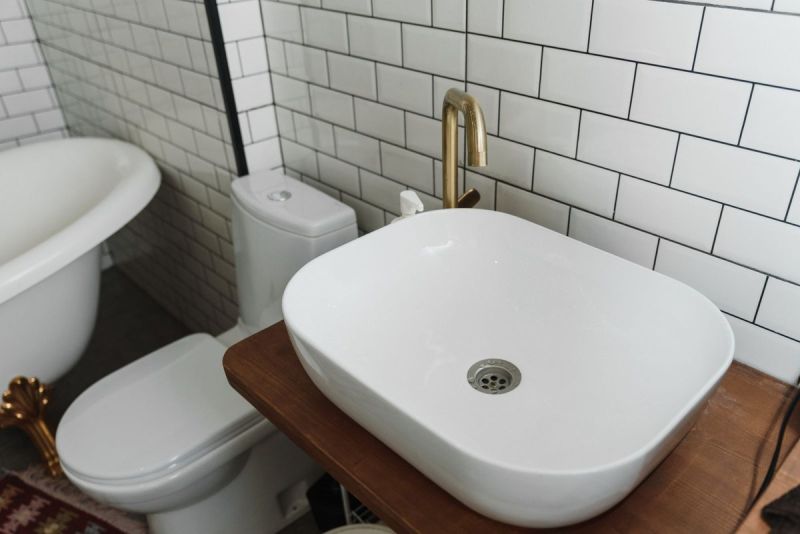
The quiet money-waster is a leaking or constantly running fill valve. A toilet that runs even faintly can waste an estimated 200 to 400 litres a day, which on Plymouth's metered supply adds real pounds to a bill over a year. If a unit is more than 15 years old and the flush is weak, the internals are worn, or you're repairing it twice a year, a fresh mid-range toilet at £180 to £350 often pays for itself in water saved and call-outs avoided within a couple of years.
Older toilets also flush a lot more water. Pre-2001 single-flush units use around 9 litres a flush, while a modern dual-flush uses roughly 4 to 6 litres. In a busy family home that's a saving of thousands of litres a year, and it's one of the few upgrades that lowers a bill rather than raising it.
What's Actually Involved on the Day
A like-for-like swap is a same-day job, usually done in two to four hours. The fitter isolates the water, drains and disconnects the old cistern, unbolts the pan from the floor, and lifts the whole unit clear. The soil connection is inspected and cleaned, a new pan connector fitted, and the new toilet offered up, levelled, screwed down and sealed. The cistern is plumbed in, the fill and flush valves set, and everything tested through several flushes before the silicone goes on.
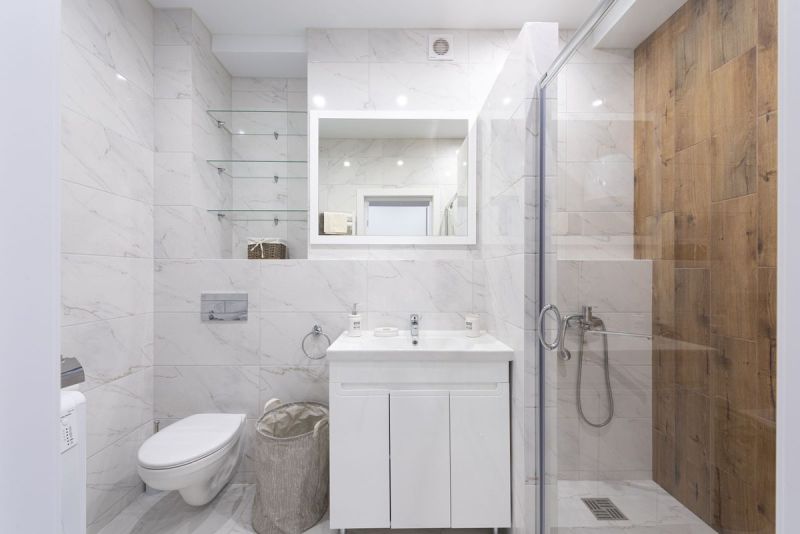
The bits that slow a job down are nearly always hidden until the old unit comes out. In older Plymouth homes we regularly find corroded flush pipes, perished seals, brittle plastic connectors that crack when disturbed, and the occasional soil pipe that's shifted over the years. None of these are dramatic, but each adds 30 to 90 minutes and a few pounds in parts. Anyone connecting or altering your water supply should be on an approved scheme, and you can check a plumber's registration through WaterSafe, the national approved plumber scheme before they start.
If the job involves moving the toilet or altering the soil pipe or drainage rather than a straight swap, that steps into notifiable territory. It's worth understanding the government's guidance on when Building Regulations approval is needed so you know when a simple replacement has quietly become a bigger project.
How Plymouth's Housing Shapes the Job
Plymouth's building stock does more to set the price than the toilet you choose. The city lost a vast amount of housing to wartime bombing and rebuilt at speed, so there's an unusually large run of 1950s and 60s semis and terraces alongside the surviving Victorian and Edwardian streets. In those post-war homes the soil stack usually runs down an external rear wall, which keeps a like-for-like swap cheap and simple.
Older Victorian and Edwardian properties are where costs creep up. Uneven solid floors mean a new pan may need packing or a fresh flange to sit level, lath-and-plaster walls make wall-hung frames trickier, and decades-old cast iron or early plastic soil pipes don't always play nicely with modern connectors. It's not unusual for these houses to add 15% to 25% to the labour on what looks like a five-minute job.
Then there's the naval-city factor. Plymouth's long service population means plenty of homes have had quick, functional bathroom work done between postings, and a toilet fitted in a hurry is often the first thing to reveal a rushed job - a base that was never sealed, or a supply that was teed off something it shouldn't have been. If you've bought a home like that, treat the first toilet replacement as a chance to put things right properly.
Water, Damp and What Lasts Here
Plymouth's water is soft, drawn largely off Dartmoor's granite catchments, and that's quietly good news for a toilet. Soft water means far less limescale building up in the cistern, on the fill valve and around the rim jets, so the working parts of a mid-range toilet here can outlast the same unit in a hard-water area by years. Where a valve might fur up and fail in 18 months in East Devon or the South East, in Plymouth it often just keeps working.
The coastal climate pushes in the other direction, though. Plymouth sits on the Sound with humidity often above 80% through winter and around 1,000mm of rain a year, and a poorly ventilated bathroom stays damp. That damp attacks the cheap chrome-plated hinges and fixings on budget seats and can rust exposed cistern bolts, so it's worth spending a little more on a seat with stainless or solid fixings and pairing any replacement with decent extraction.
For independent buying advice that isn't coming from a showroom, consumer group Which?'s bathroom reviews and buying guidance is a useful sense-check on which brands and features actually earn their price rather than just their marketing.
Getting a Quote You Can Trust
The gap between the cheapest and dearest quote for the same toilet swap in Plymouth is usually about scope, not profit. One quote includes a new isolation valve, a fresh supply hose, a new pan seal, silicone and taking the old unit away, and another leaves half of that as an extra you discover on the day. Ask for the toilet, the labour, the small parts and the waste removal as separate lines so you're comparing like with like.
It's also fair to ask what happens if something's found behind the old unit. On a pre-1945 Plymouth property we'd allow a 10% to 15% contingency for a soft floorboard or a tired soil connection as a matter of course, and a fitter who mentions that upfront is usually the one who won't spring a surprise invoice later. Finally, check the guarantee - 12 months on the workmanship is standard, and most manufacturers give 5 to 25 years on the ceramic itself, so a good fitter will happily put both in writing.
---
FAQ
Q: How much does it cost to replace a toilet in Plymouth?
A: A like-for-like swap in Plymouth typically costs £200 to £600 in total, with £120 to £250 of that being labour and the rest the toilet itself. A basic close-coupled unit is £80 to £180, mid-range is £180 to £350, and wall-hung or designer units run £350 to £600 before fitting. Moving the pan or changing the soil pipe adds £150 to £400 on top.
Q: How long does it take to fit a new toilet?
A: A straightforward like-for-like replacement is a same-day job, usually two to four hours. It takes longer if the toilet is being moved, if you're switching to a wall-hung unit with a concealed frame, or if the old unit hides a corroded soil connection or a rotten floorboard, any of which can add half a day.
Q: Is a wall-hung or a close-coupled toilet better for a small Plymouth bathroom?
A: For most compact Plymouth terrace and semi bathrooms a close-coupled toilet is the practical choice - it's cheaper, quicker to fit and far easier to repair. A wall-hung unit frees up around 150mm of floor and looks cleaner, but it needs a stud frame and concealed cistern and costs two to three times as much to install.
Q: Does replacing a toilet need Building Regulations approval in Plymouth?
A: A simple like-for-like swap does not. But if you move the toilet, alter the soil pipe, or add new drainage, that work is notifiable under Building Regulations, and anyone connecting your water supply should be registered on an approved plumber scheme such as WaterSafe.
---
You might also like
Bathroom Fitters Plymouth