
Bathroom Lighting in Plymouth: Zones, IP Ratings, and Design Ideas
Bathroom lighting is the one area of a refit where getting it wrong isn't just a design miss - it's a safety and legal issue. Water and electricity share a small room, so UK wiring rules split a bathroom into zones and set a minimum sealing rating for the fittings in each. Get the ratings right and a light lasts 15 to 20 years; get them wrong and you've created a hazard that fails any future electrical inspection. Around 30% of Plymouth's housing predates 1945, and those small period bathrooms - often under 4 square metres with one tiny window - lean hard on artificial light for most of the day. Add the city's grey, humid winters, where relative humidity sits above 80% for weeks, and lighting that isn't properly sealed corrodes fast. Here's how the zones and IP ratings work, what Part P requires, and the layered lighting ideas that actually suit a Plymouth bathroom.
Why Bathroom Lighting Has Its Own Rules
A bathroom is treated as a special location under UK wiring regulations precisely because water raises the risk of electric shock. The lighting you can legally fit depends on where in the room it goes, measured as distance from the bath or shower, and on how well the fitting is sealed against water. This isn't optional guidance - it's how any competent Plymouth electrician will price and plan the job, and it's what a home survey checks. If you want a fitter to plan the lighting layout alongside the rest of a refit so the zones are handled properly from the start, the team at Bathroom Fitters Plymouth can design it in rather than bolting it on at the end.
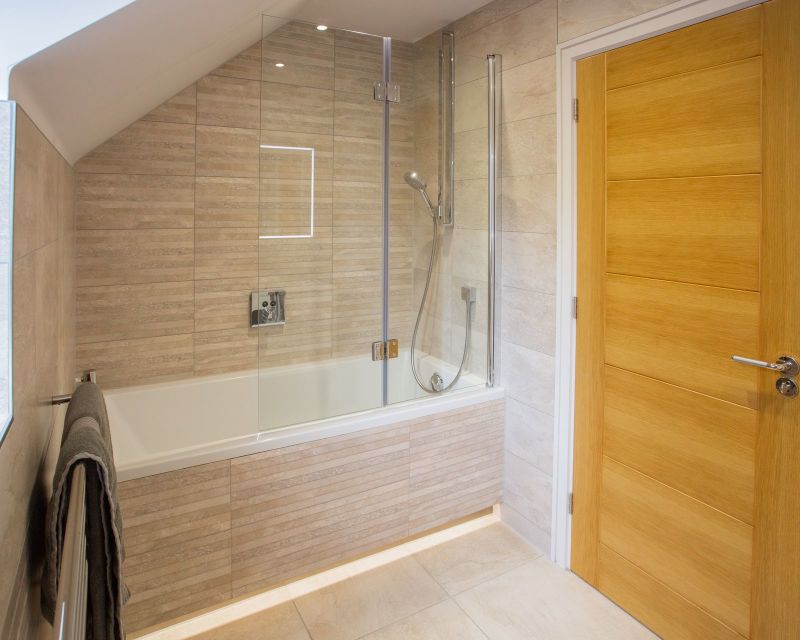
The rules matter more in Plymouth than in a drier inland town. Persistent coastal humidity means moisture lingers in the air long after a shower, and salt-laden air from the Sound accelerates corrosion on any fitting that isn't sealed to the right standard. A downlight rated for a dry hallway will pit and fail within a couple of years over a Plymouth shower, so matching the fitting to the zone isn't box-ticking - it's what makes the lighting last here.
The good news is that once you understand two things - the zones and the IP ratings - the whole subject becomes simple. Everything else is design.
The Bathroom Zones Explained
UK bathrooms are divided into three zones, and each sets a minimum standard for the electrical fittings allowed there. Zone 0 is inside the bath or shower tray itself, where any fitting must be low voltage (12V) and rated at least IP67 - fully immersion-proof. Zone 1 is the area directly above the bath or shower up to 2.25m from the floor, where a minimum of IP44 is required, and IP65 is the sensible choice where the fitting catches direct spray.
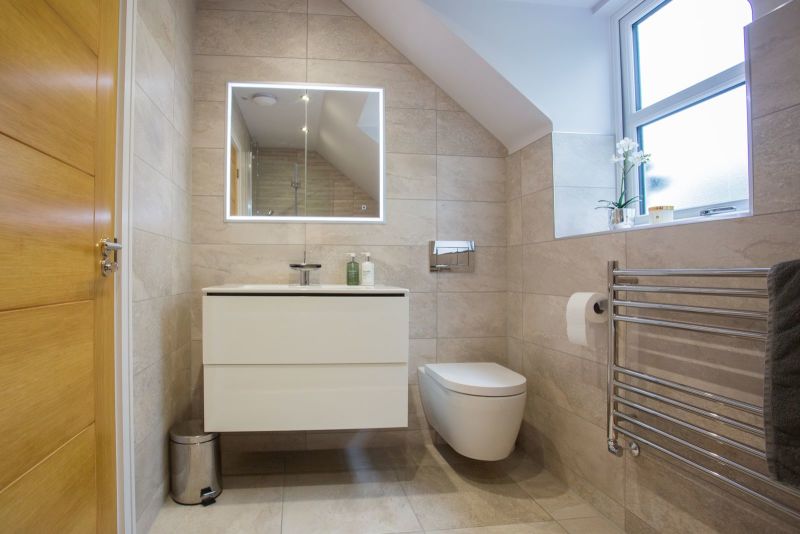
Zone 2 stretches 0.6m horizontally beyond zone 1 and around the edge of a washbasin, and needs at least IP44. Everything outside those measured zones - often called the "outside zones" area - has no special IP requirement for splashing, though in a humid Plymouth bathroom many electricians still fit IP44 throughout for peace of mind. These zones come straight from the national wiring standard, BS 7671, and you can read a plain summary of the bathroom zones under the BS 7671 wiring regulations via the certification body NICEIC.
One point that trips people up: the zones are measured from the actual bath or shower, so a big Plymouth bathroom with the bath in a corner may have large stretches of wall that fall outside any zone, giving you free rein on decorative fittings there. A cramped 1.7m by 2m terrace bathroom, by contrast, can be almost entirely zone 1 and 2, which limits what's allowed - worth knowing before you fall for a fitting that can't legally go where you want it.
IP Ratings: What IP44 and IP65 Actually Mean
An IP rating is two digits. The first is protection against solid objects and dust, the second against water, and higher is better on both. For bathrooms the second digit is the one that matters. IP44 means protection against splashing water from any direction, which is the legal minimum for zones 1 and 2. IP65 means the fitting is dust-tight and protected against low-pressure water jets - the belt-and-braces choice directly over a shower.
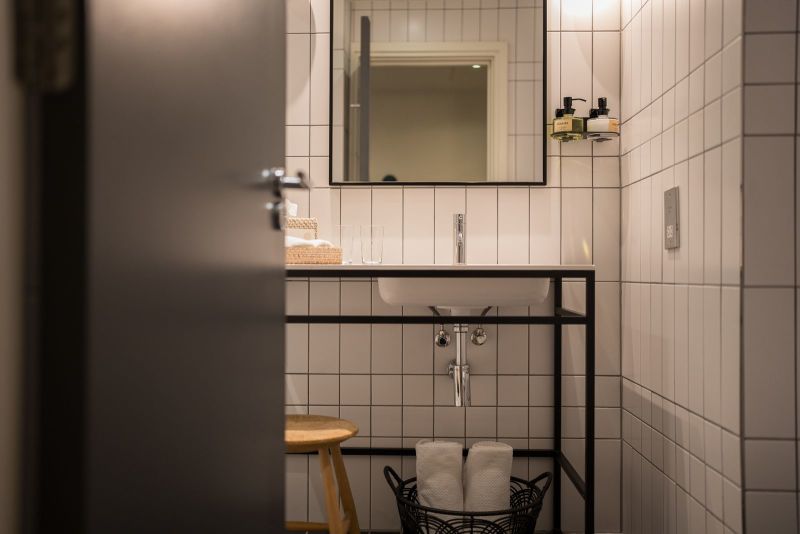
In practice, most Plymouth bathroom refits use IP65 downlights over and around the shower and bath, and IP44 or standard fittings for mirror lights and general ceiling light outside the zones. The price gap is smaller than people expect: a decent IP65 fire-rated LED downlight runs around £12 to £25 against £8 to £18 for an IP44 equivalent, so upgrading the four or five fittings nearest the water typically adds only £30 to £60 to the whole job. Given the humidity here, that's money well spent.
Watch the sealing quality, not just the number on the box. A cheap IP65 fitting with a thin gasket can let Plymouth's persistent moisture creep in around the lens over time, so a mid-range fitting from a known brand outlasts a bargain one by years. Around 40% of the bathroom light failures replaced during refits are corrosion around the seal rather than a blown LED, and that failure rate runs higher in coastal bathrooms than inland.
Part P and Why the Electrics Must Be Signed Off
Any new electrical circuit or consumer-unit work in a bathroom is notifiable under Part P of the Building Regulations - it isn't DIY-legal, and it isn't optional. In practice that means a registered electrician either does the work or certifies it, and you get a compliance certificate for the file that any future buyer's solicitor may ask to see. Skipping it can surface as a problem years later at sale, and it invalidates insurance if a fault causes damage.
For a straightforward Plymouth bathroom relighting - swapping fittings on an existing circuit like-for-like - the notification requirement is lighter, but the moment new cabling, a new circuit or a fan spur is added, full Part P certification applies. The government's guidance on Part P and electrical safety in the home sets out exactly what's notifiable, and it's worth a read before you agree a scope with any fitter.
Use a properly registered electrician and this is all handled automatically. Around 15% to 20% of the older Plymouth bathrooms we relight turn out to have earlier work that was never certified - often a fan or downlights added during a quick naval-housing refit between postings - so it's worth asking whether the existing circuit is sound before adding to it.
Layered Lighting Ideas That Suit Plymouth Bathrooms
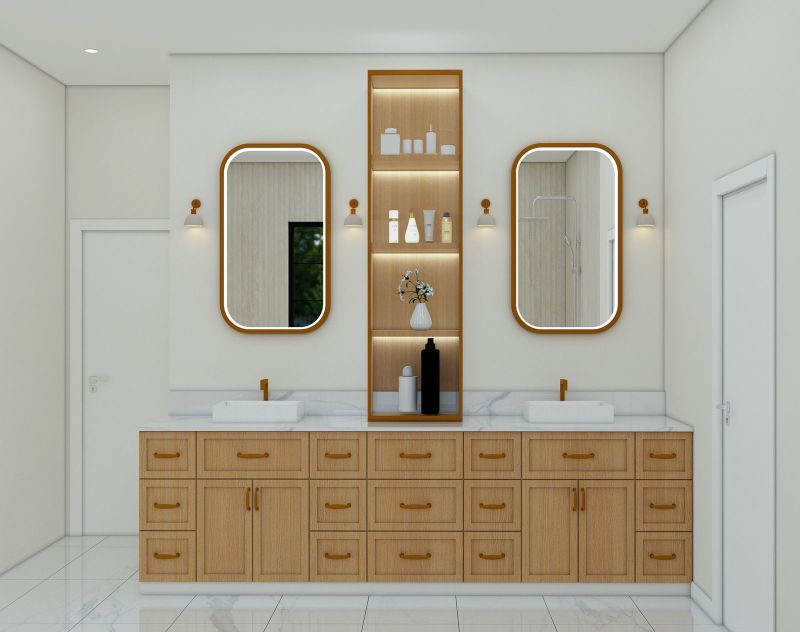
Good bathroom lighting uses three layers rather than one glaring ceiling light. Ambient light (the general fill) usually comes from three to six IP-rated LED downlights, task light picks out the mirror and basin for shaving and make-up, and accent light - an LED strip under a vanity or in a niche - adds warmth in the evening. A layered scheme costs perhaps £150 to £400 more than a single pendant, but transforms how a small room feels.
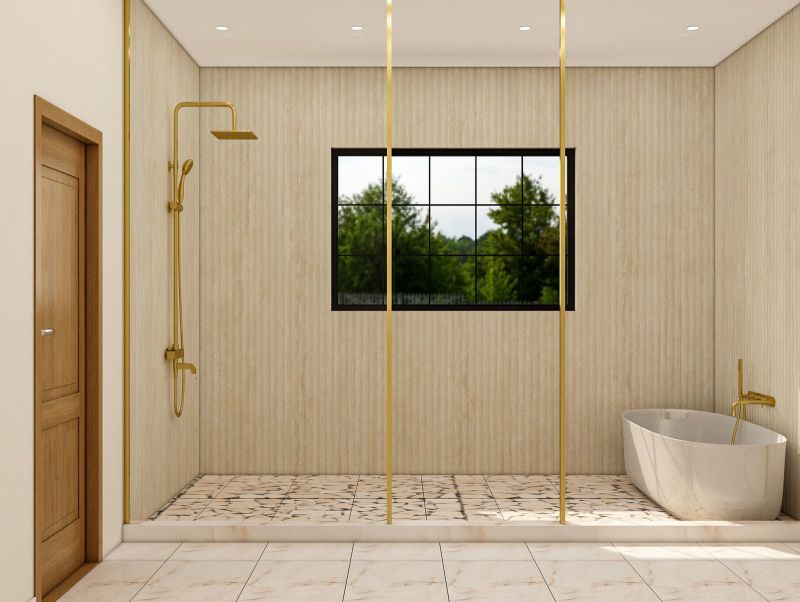
Colour temperature matters more than most people realise, and it's measured in kelvin. A warm 2,700K to 3,000K flatters skin and suits Plymouth's long grey winters, while a cooler 4,000K reads clinical - fine for a utility-style ensuite, less so for a family bathroom you relax in. Many good fittings now offer switchable temperature, letting you run cool and bright in the morning and warm at night, which is genuinely useful in a city that gets its share of dark, wet mornings.
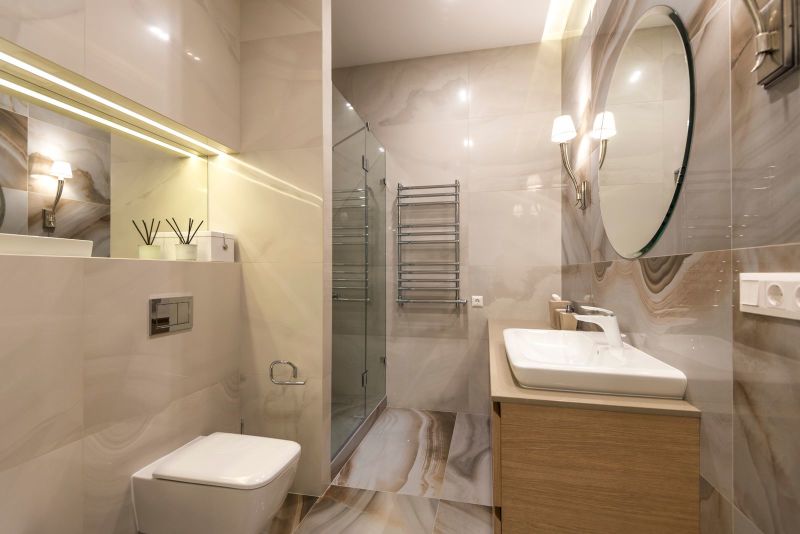
For the city's small period bathrooms, a few tricks earn their keep. Mirror or IP-rated backlit-mirror lighting removes the shadows a single ceiling downlight throws across your face. Recessed LED strip in a tiled niche makes a 3-square-metre terrace bathroom feel larger and costs little. And in the many Plymouth bathrooms with just one small window, a brighter ambient layer around 3,000K genuinely lifts a room that would otherwise feel like a cave from November to February. Which?'s neutral advice on choosing LED lighting and bulbs is a useful reference for comparing efficiency and quality before you buy.
What Bathroom Lighting Costs in Plymouth
Pulling the numbers together, a straightforward relight - swapping existing fittings for IP-rated LED downlights on the same circuit - typically runs £250 to £600 in Plymouth including fittings and an electrician's certificate. A full layered scheme with new downlights, a mirror light and accent strip, wired as part of a bathroom refit, more commonly lands at £600 to £1,200. Add a new circuit, a heated mirror or a demister pad and it climbs from there.
Devon labour rates generally sit 10% to 20% below the national city average, so the electrical component of a Plymouth refit is a touch cheaper than the South East. The catch is the same as every trade here - good registered electricians stay busy, and in spring and autumn you may wait 4 to 8 weeks for one who does bathroom work properly rather than the first name that answers.
One local saving worth noting: Plymouth's soft water, drawn off Dartmoor granite, means less limescale filming on mirrors and glass, so backlit mirrors and glass fittings stay looking clean longer here than in hard-water Devon. That makes the extra spend on a quality backlit mirror easier to justify than it would be in Exeter or the South East.
---
FAQ
Q: What IP rating do I need for a bathroom light in Plymouth?
A: It depends on the zone. Directly over the bath or shower (zone 1) the minimum is IP44, but IP65 is the sensible choice where the fitting catches spray. Zone 2, around the edge of the bath and the basin, also needs at least IP44. Given Plymouth's coastal humidity, many electricians fit IP65 over the water and IP44 throughout the rest for longer life.
Q: What are the bathroom lighting zones?
A: UK bathrooms are split into three zones under BS 7671. Zone 0 is inside the bath or shower and needs low-voltage IP67 fittings. Zone 1 is directly above the bath or shower up to 2.25m and needs at least IP44. Zone 2 extends 0.6m beyond zone 1 and around the basin, also needing IP44. Areas outside these zones have no special splash requirement, though IP44 throughout is common in humid Plymouth homes.
Q: Does bathroom lighting work need to be certified in Plymouth?
A: Yes, if it involves new circuits, cabling or consumer-unit work - that's notifiable under Part P of the Building Regulations and must be done or certified by a registered electrician, who provides a compliance certificate. A simple like-for-like fitting swap on an existing circuit is lighter, but any new wiring triggers full Part P certification.
Q: How much does bathroom lighting cost in Plymouth?
A: A straightforward relight with IP-rated LED downlights on the existing circuit typically runs £250 to £600 including fittings and certification. A full layered scheme with downlights, a mirror light and accent strip as part of a refit more commonly lands at £600 to £1,200. Devon labour rates sit around 10% to 20% below the national city average.
---
You might also like
Bathroom Fitters Plymouth