
Wet Room Costs in Plymouth: Tanking, Drainage, and What You'll Pay in 2026
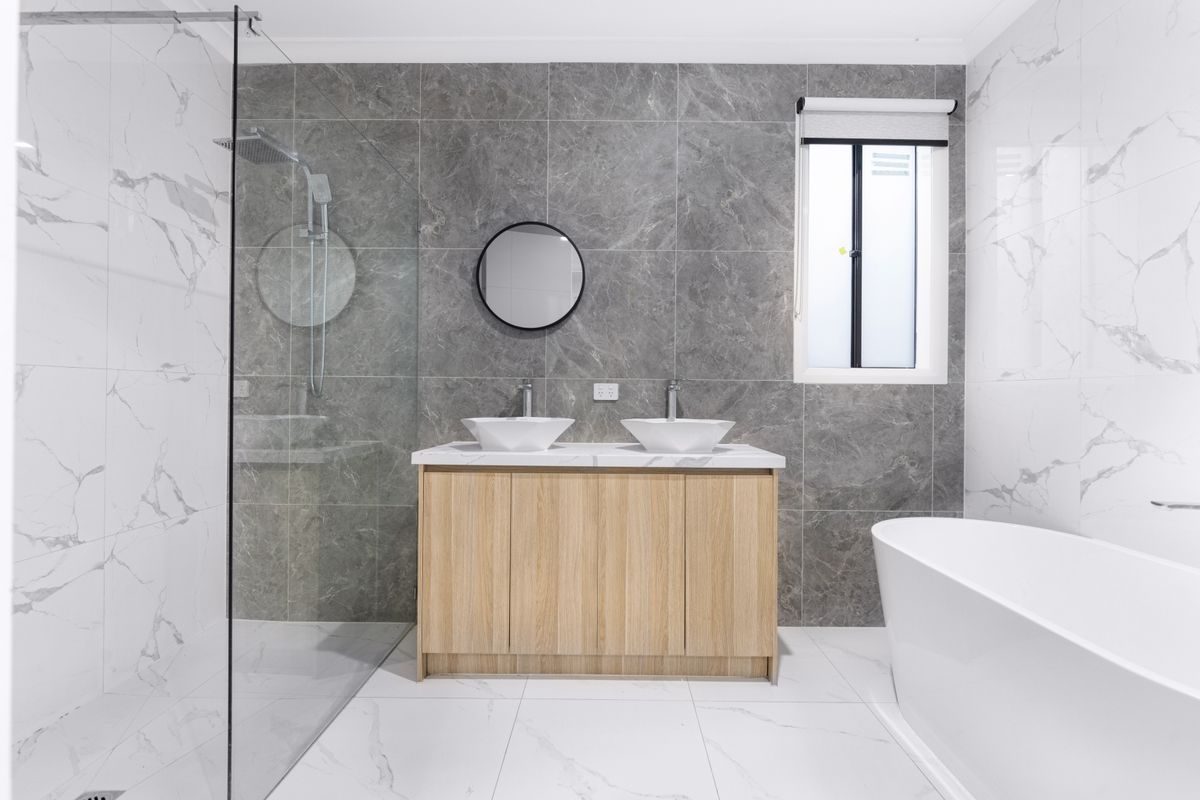
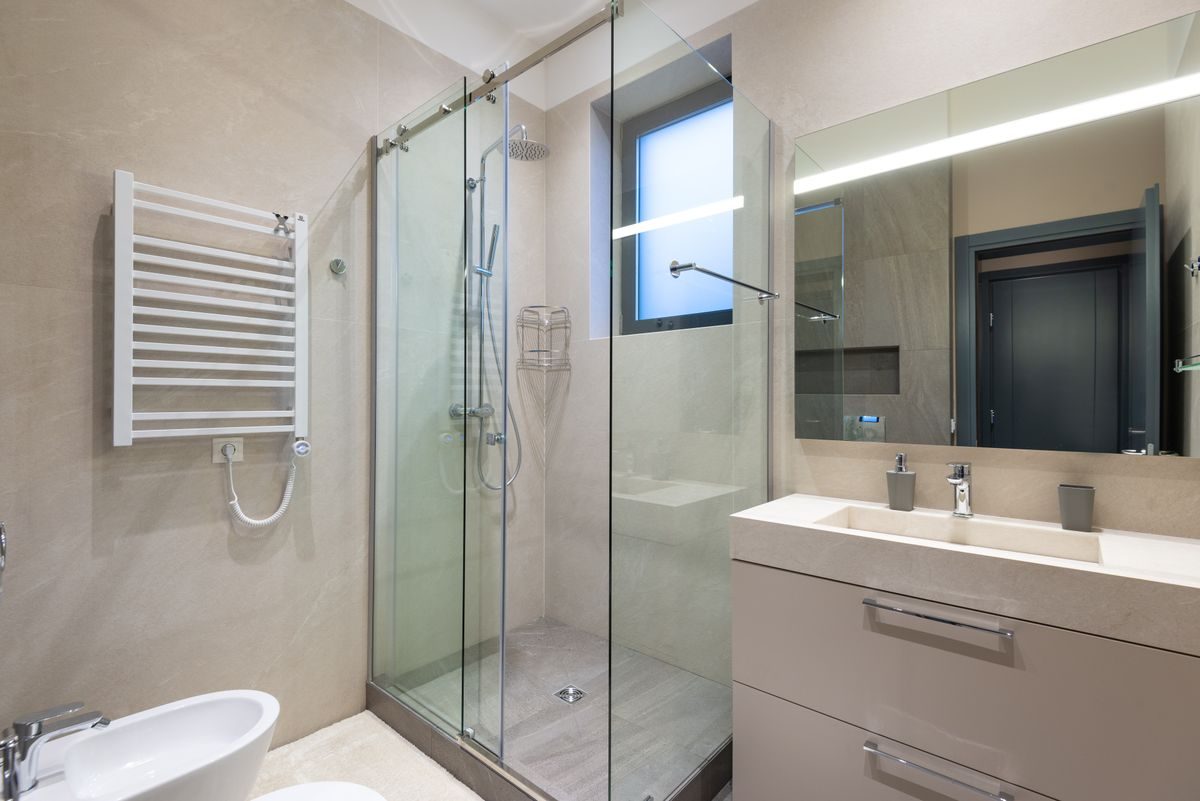
A wet room is priced completely differently from a standard bathroom, and the reason sits under the floor where you'll never see it. Most Plymouth homeowners spend between £5,000 and £10,000 on a full wet room, with the tanking and drainage - the waterproofing and the fall to the drain - accounting for a bigger slice of that than the tiles or the shower you actually chose. Around 30% of the city's housing stock predates 1945, and a huge number of post-war terraces have suspended timber floors, which alone can add £800 to £1,500 to the job over a concrete slab. Roughly 90% of the wet room leaks trades are called back to fix trace to skimped waterproofing, not fittings. So this guide breaks the cost down properly - tanking, drainage, tiling and labour as separate numbers - so you can see where a Plymouth quote is honest and where it's been quietly trimmed.
What Actually Drives a Wet Room's Price
Three things move a wet room quote more than anything else: the floor you're building on, the size of the tiled area, and how much waterproofing the room genuinely needs. Everything else - the shower valve, the glass screen, the fittings - is a smaller and more predictable cost. Get those three big variables clear before you compare a single quote, because two Plymouth fitters pricing "a wet room conversion" can be £3,000 apart purely on scope. If you'd like someone to walk a room and tell you which cost bracket it honestly falls into, the team at Bathroom Fitters Plymouth will survey it and give you the numbers straight.
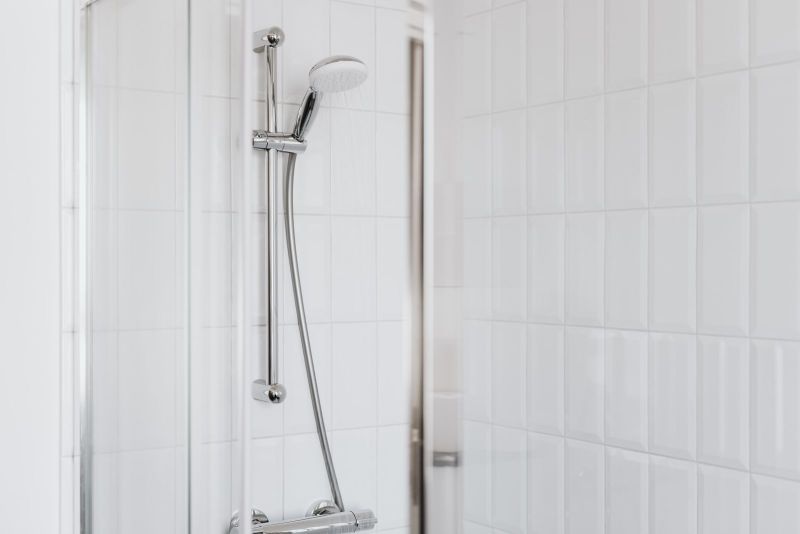
As a rough split for a typical Plymouth job, tanking and floor preparation eat 25% to 35% of the total, tiling and materials another 25% to 30%, and labour the rest. That's worth remembering, because homeowners tend to fixate on the £400 they might save on a shower valve while a drainage decision worth £1,000 slides past unquestioned. The expensive parts of a wet room are the invisible ones.
The other early check is whether you're converting an existing bathroom or building a wet room into a spare room or box room. A conversion where the drainage already runs nearby is far cheaper than starting from scratch, where a new soil connection can add £600 to £1,200 on its own.
Tanking Costs: The Layer You Pay For and Never See
Tanking is the continuous waterproof membrane sealed across the floor and lower walls before any tile goes down, and in a wet room it isn't optional the way it can be in a standard shower - the whole floor is the shower tray. Materials alone run roughly £8 to £20 per square metre for a liquid-applied membrane and £15 to £30 for a sheet system, so for a typical 4 to 6 square metre Plymouth wet room you're looking at £150 to £500 in membrane before a fitter has picked up a trowel.
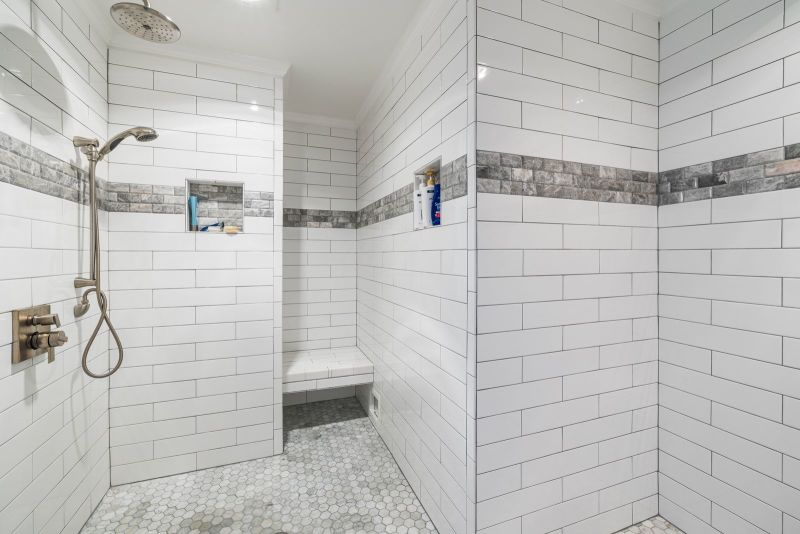
Add labour and preparation and tanking as a line item usually lands between £500 and £1,200 in a wet room. That covers reinforcing tape at every floor-to-wall joint, sealing collars around pipe penetrations, and the cure time between coats. It's tempting to see that as a place to save, but around 80% of tanking failures happen at a joint or a pipe entry rather than in the middle of a wall, so the prep is exactly what you're paying for. We've broken down the membrane types and where each one suits Plymouth's housing in our guide to bathroom waterproofing and tanking costs in Plymouth, which is worth a read before you sign anything.
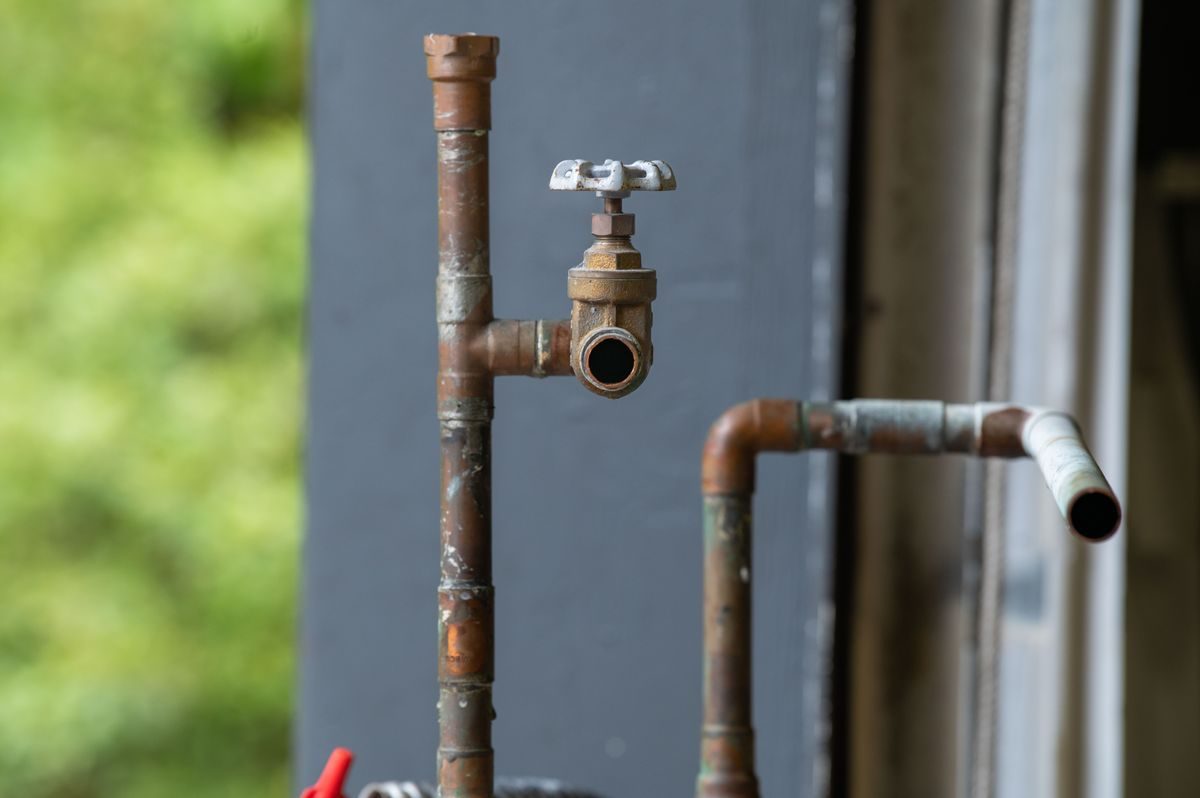
Because tanking ties directly into the plumbing, it's worth checking your fitter is properly accredited. The WaterSafe register of approved plumbers lets you confirm that in a couple of minutes, and a leaking waste behind a freshly tanked wall undoes every pound you spent on the membrane.
Drainage and Floor Falls: Where Timber Floors Add Cost
The drainage is where a wet room quote can swing by more than a thousand pounds, and it comes down to what your floor is made of. A ground-floor concrete slab, common in Plymouth extensions and 1960s builds, lets a fitter apply a screed with the fall built into it - the cheapest route, typically adding £300 to £600 for the drain, former and graded screed.
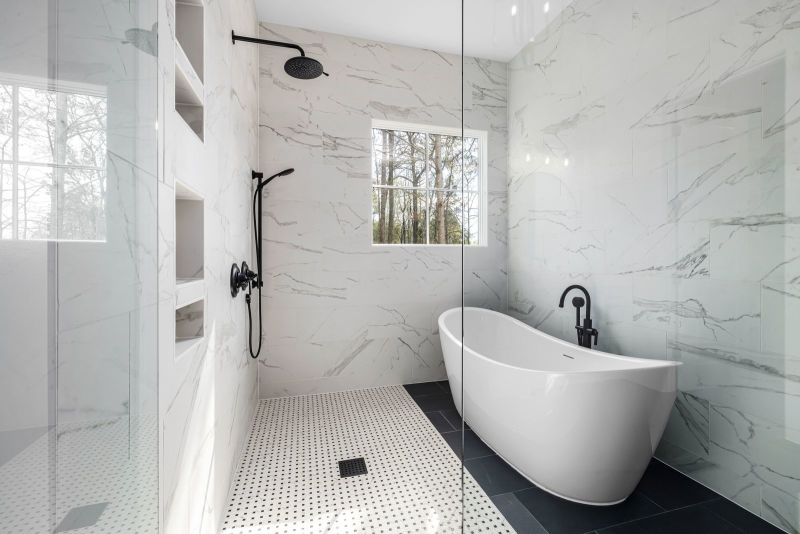
A suspended timber upper floor is a different job. It needs either a purpose-made wet room former (a pre-formed drain unit with the fall already moulded in) or a specialist floating screed that flexes slightly with the floor, and the joists often have to be cut and reinforced to drop the drain below the finished level. That work commonly adds £800 to £1,500 over a concrete equivalent. Given how many of Plymouth's post-war terraces and semis have timber floors, this is the single most common reason an upstairs wet room costs noticeably more than a downstairs one.
The drain style adds a smaller variable. A basic point drain is the cheapest at around £80 to £200 for the unit, while a linear channel drain along one wall runs £150 to £450 but simplifies the fall to a single direction and looks cleaner. In a small Plymouth wet room a linear drain is often worth the extra because it makes the tiling easier to lay accurately.
Tiling Costs in a Wet Room
Tiling is where a wet room quietly costs more than a standard bathroom, because the whole floor and often all four walls get tiled rather than just the shower zone. Materials sit anywhere from £20 per square metre for a serviceable porcelain to £70+ for large-format or natural stone, and a wet room's larger tiled area means you're covering 12 to 20 square metres rather than the 6 to 10 of a normal bathroom.
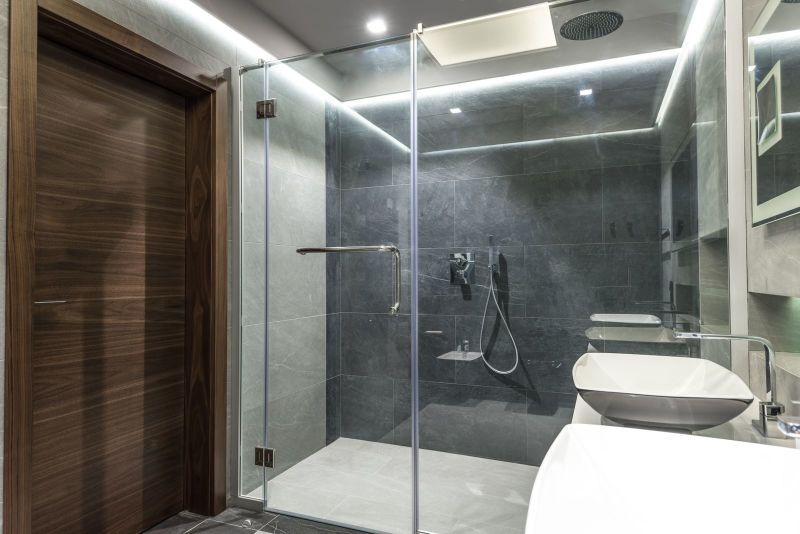
Labour is the bigger number. Wet room tiling is slower and more skilled because the tiles have to follow the fall to the drain without ponding, and cuts around a linear drain or a former have to be precise. Expect £40 to £60 per square metre in labour in Plymouth, which for a full wet room means £700 to £1,400 on fitting alone. Small-format mosaic on the shower floor - often chosen because the many grout lines add grip and follow the fall neatly - is slower again and can push the floor's tiling rate up by 20% to 30%.
One Plymouth-specific saving: the city's soft water, drawn largely off Dartmoor granite catchments, means limescale etching on tiles and glass is far less aggressive here than in East Devon or the South East. That lets you spend confidently on a polished or large-format finish that would scale and dull faster in a hard-water area.
What a Full Wet Room Costs in Plymouth for 2026
Pulling it together, here's what a wet room realistically costs in Plymouth this year. A ground-floor conversion on a concrete slab, covering tanking, drainage and tiling of the shower zone, runs roughly £5,000 to £6,500. A full-room wet room on a concrete floor with everything tiled, new fittings and proper extraction sits around £6,500 to £8,500. An upstairs timber-floor wet room, with the former, reinforcement and specialist system, commonly lands between £8,000 and £10,000, and a large or awkward space with premium fittings pushes past £10,000.
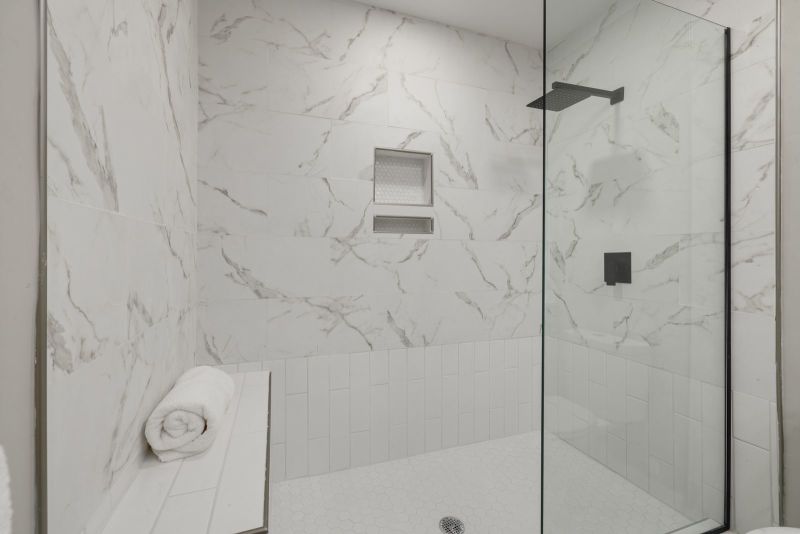
Devon labour rates generally run 10% to 20% below the national city average, which works in your favour on the fitting-heavy parts of a wet room. The trade-off is availability: good Plymouth wet room fitters get booked 6 to 10 weeks out in spring and autumn, so the quote that can start next week deserves the hardest look, not the fastest yes.
Because a wet room involves notifiable electrical work for the extractor and any lighting, and often drainage changes, it's worth understanding what needs sign-off. The government's guidance on when Building Regulations approval is needed is a sensible ten-minute read before you commit, so nothing on the quote surprises you later.
How Plymouth Homes and Climate Move the Number
Plymouth's housing is a patchwork, and each type nudges the price a different way. The city was heavily rebuilt after wartime bombing, leaving an unusually large stock of late-1940s and 1950s terraces and semis, most with suspended timber floors - which, as covered above, is the biggest single cost driver on a wet room here. Older Victorian and Edwardian streets in Stoke, Peverell and Mutley that escaped the bombing bring solid walls and uneven surfaces that add 15% to 25% to preparation.
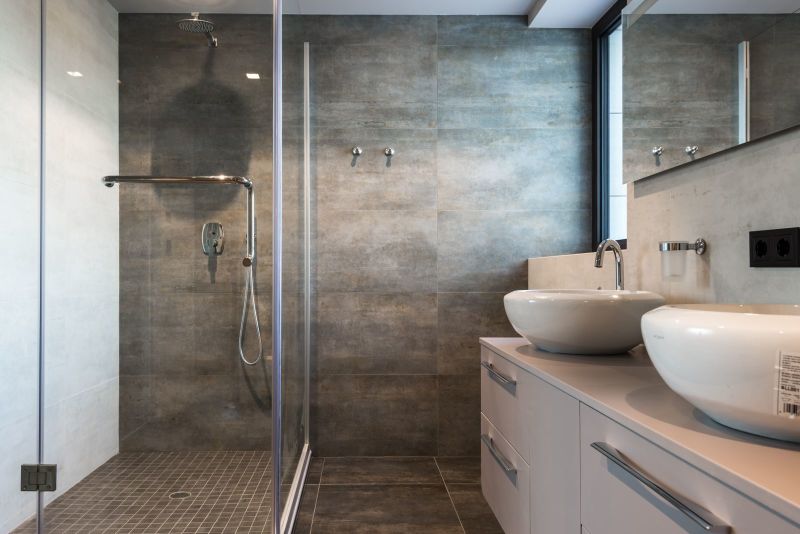
The climate matters to the spec rather than the headline price. Plymouth sits on the Sound with prevailing south-westerlies off the water, roughly 1,000mm of rain a year and winter humidity often above 80%. A wet room holds moisture in the air longer than a standard bathroom, so proper extraction - minimum 15 litres per second, ideally a humidity-sensitive fan - isn't a place to save. Skimp on it in this climate and the moisture load quietly finds the ceiling void and wall cavities.
Then there's the naval housing legacy. Plymouth's long service population means plenty of homes have had quick refits done between postings, and if you're converting one to a wet room, budget a 10% to 15% contingency for whatever was never properly waterproofed the first time.
Comparing Wet Room Quotes Without Getting Caught Out
The cheapest and dearest quotes for the same Plymouth wet room can differ by 40% or more, and the gap is almost always scope rather than profit. One quote includes the former, the sealing collars, a flood test, the linear drain and rubbish removal; the other lists "tanking and tiling" and hopes you won't ask. Insist every quote itemises tanking, drainage, tiling materials, tiling labour, fittings and waste disposal as separate lines - that alone exposes most of the gap.
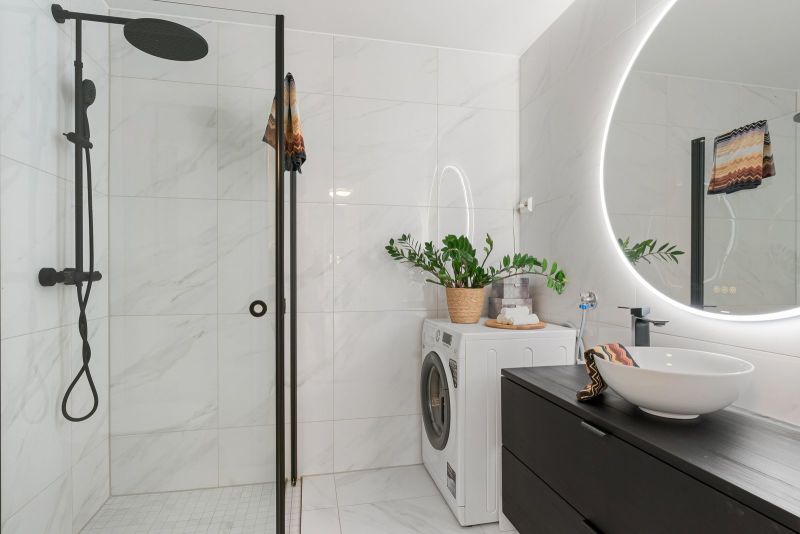
Ask two more things. First, what the contingency is for what's found under the floor, because in a pre-1945 Plymouth property with timber joists, budgeting 10% to 15% for surprises is simply realistic. Second, whether the fitter flood-tests the tanking before tiling - that hour of testing is cheap insurance against a fault that only shows months later behind finished tiles. Before you hire, Which?'s advice on finding and hiring a tradesperson is a solid, neutral checklist for comparing the people, not just the prices.
---
FAQ
Q: How much does a wet room cost in Plymouth?
A: Most Plymouth wet rooms cost between £5,000 and £10,000. A ground-floor concrete-slab conversion runs roughly £5,000 to £6,500, a full concrete-floor wet room with all fittings £6,500 to £8,500, and an upstairs timber-floor build £8,000 to £10,000 or more. Tanking and drainage typically account for 25% to 35% of the total, tiling another 25% to 30%, and labour the rest.
Q: Why does an upstairs wet room cost more in Plymouth?
A: Because most of Plymouth's post-war terraces and semis have suspended timber floors. A timber floor needs a purpose-made former or specialist floating screed rather than a simple graded slab, and the joists often have to be cut and reinforced to drop the drain. That work commonly adds £800 to £1,500 over a ground-floor concrete equivalent.
Q: How much of a wet room budget goes on tanking?
A: Tanking as a line item usually runs £500 to £1,200 in a Plymouth wet room, with membrane materials alone at £150 to £500 depending on the area and system. It's not the place to save - around 80% of tanking failures happen at joints and pipe entries, which is exactly the preparation you're paying for.
Q: Is a wet room cheaper than a standard bathroom in Plymouth?
A: No. A wet room tiles a larger area, needs continuous tanking across the whole floor and a built-in fall to the drain, so the labour and waterproofing costs are higher than a standard bathroom with a shower enclosure. If budget is tight, a walk-in shower with a quality low-profile tray gives a similar open feel for less.
---
You might also like
Bathroom Fitters Plymouth