
Bathroom Fitters in Plympton and Plymstock: Costs, Timescales and What to Expect
Plympton and Plymstock between them hold somewhere around 30,000 homes, and the bathrooms in them fall into two very different camps. On one side, the 1930s to 1960s semis around Colebrook, Underwood and Hooe, most with a 1.7 metre bathroom that has been refitted once since the 1980s. On the other, the 1990s and 2000s estates at Chaddlewood, Woodford and Elburton, where the original suites are now 25 to 35 years old and the plastic has gone yellow. Both need work, but they need different work, and the price gap between them is bigger than most people expect. A standard refit in this part of Plymouth runs roughly £4,500 to £9,000 in 2026. Here is what moves that number.
What a Bathroom Fit Costs in Plympton and Plymstock
For a like-for-like replacement in a standard 1.7m by 2.1m bathroom, budget £4,500 to £6,500 including labour, a mid-range suite, tiling to half height, and a new extractor. That assumes the layout stays where it is and the existing pipework is copper and in reasonable condition.
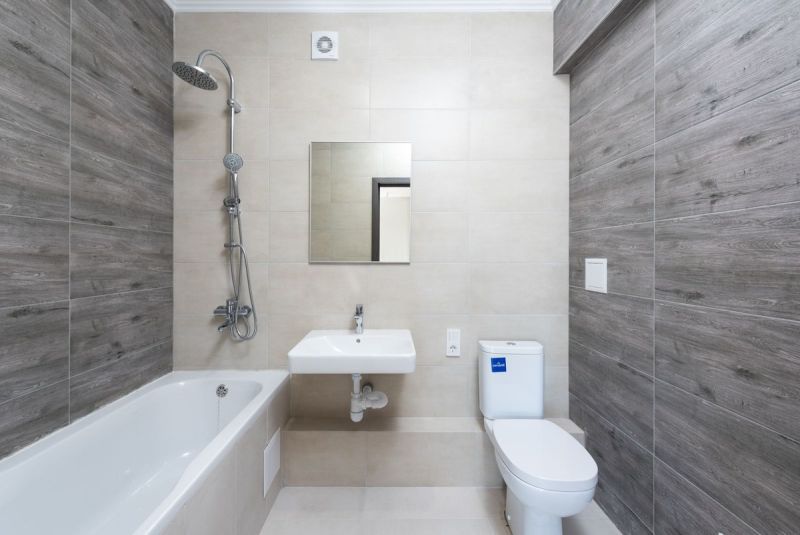
Move the soil pipe, take out a bath to build a walk-in shower, or tile floor to ceiling and you are into £7,000 to £11,000. A full wet room with tanking, a formed floor and underfloor heating in a Plymstock semi typically lands £9,000 to £14,000.
Labour is roughly 50 to 60% of the total in this area. A two-person team on a standard refit takes eight to eleven working days, and day rates for a fitting team in Plymouth sit around £320 to £450 depending on whether tiling and electrics are in-house. If you want a realistic figure for your own house rather than a range, the team at Bathroom Fitters Plymouth will measure up and price the actual room rather than working off a template.
Plympton: Older Stock, Solid Walls, and Awkward Soil Runs
The pre-war and immediate post-war housing around Plympton St Maurice, Ridgeway and Colebrook throws up a consistent set of problems. Solid 9-inch brick walls with no cavity, which means surface-mounted or chased pipework rather than an easy run through a stud. Original cast iron soil stacks on the outside wall, some of which are now 90 years old. And bathrooms that were converted from a third bedroom or built as a rear extension over an old scullery, where the floor joists run the wrong way for a shower tray.
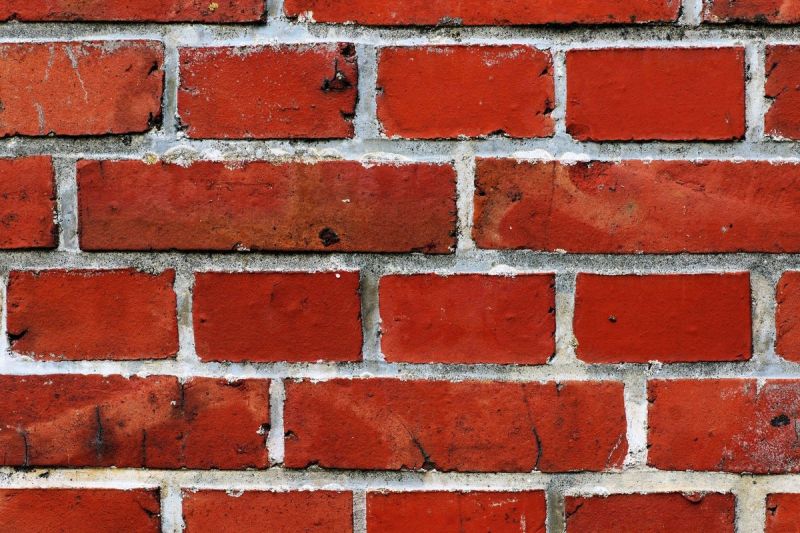
Practical consequences: chasing solid brick for concealed pipework adds roughly £300 to £600 to a job. Replacing a cast iron stack with plastic runs £600 to £1,200 including scaffolding or a tower. And where the floor is suspended timber over a cold void, a wet room formed floor needs the joists checked and often doubled, adding a day and £250 to £500.
Lath and Plaster Ceilings
A lot of Plympton bathrooms still have original lath and plaster ceilings, and they rarely survive a refit intact. Once you start fixing downlights or a new extractor through them, sections come away. Budget £350 to £700 to overboard and skim a small bathroom ceiling, and treat it as likely rather than possible in anything built before 1940.
Plymstock: Newer Estates, Tired Suites, and the Same Three Faults
Chaddlewood, Elburton, Goosewell and the Staddiscombe estates are a different job. The building fabric is generally sound - cavity walls, plastic soil stacks, joists at sensible centres - but the fittings are at the end of their life all at once.
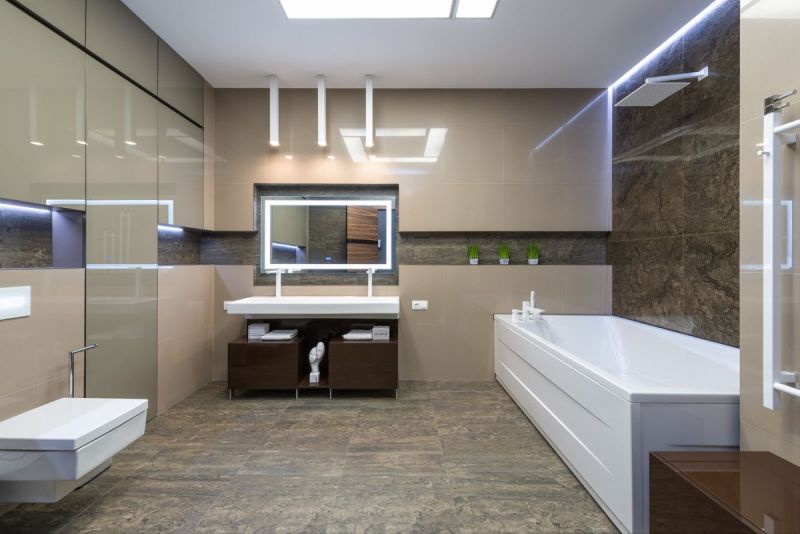
The three faults that come up again and again: shower trays that have flexed and cracked the seal at the wall junction, letting water into the floor void over years; thermostatic mixer cartridges that have furred solid; and plastic bath panels that have been resealed six times and never fixed properly because the bath itself is moving.
The good news is that these houses are quick to work in. A straight swap in a 1995 Plymstock semi can be done in six to eight working days rather than the ten to twelve a Plympton solid-wall job takes, and that difference alone is worth £600 to £1,200 in labour.
Plymouth's Water and Why It Matters Here
South West Water supplies both areas, and the water is soft to moderately soft - typically well under 100 mg/l calcium carbonate. That is genuinely good news for bathrooms. Limescale on shower screens and in mixer cartridges is far less of a problem here than in, say, Hampshire or the south east, and thermostatic valves last longer as a result.
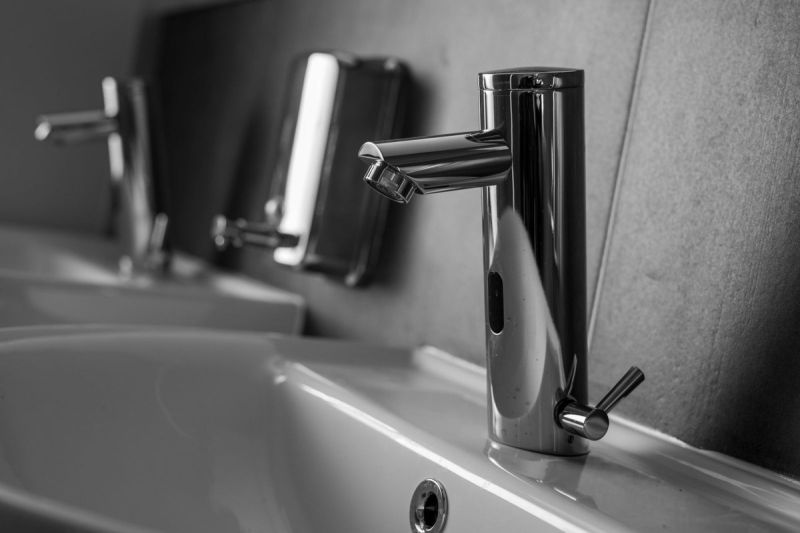
The trade-off is that soft water is slightly more aggressive towards copper pipework over long periods, and it makes very little foam-cutting difference to cheap sealant. It also means chrome shows water marks rather than scale, so brushed finishes hide daily use better.
Coastal Air on the Plymstock Side
Properties closer to Hooe, Turnchapel and Mount Batten catch salt-laden air off the Sound. Chrome and cheap stainless towel rails pit and spot noticeably faster within a mile of the water. Brushed brass with a proper PVD coating, or good quality stainless at 316 grade, holds up considerably better. It is worth spending the extra £80 to £150 on the towel rail in these postcodes.
Ventilation: The Fault Behind Most Mould Complaints
Plymouth sits under one of the wetter climates in England, averaging around 1,000 mm of rain a year spread over roughly 150 rain days. Relative humidity stays high through the winter, which means a bathroom here has less drying capacity between showers than the same room in the east of the country.
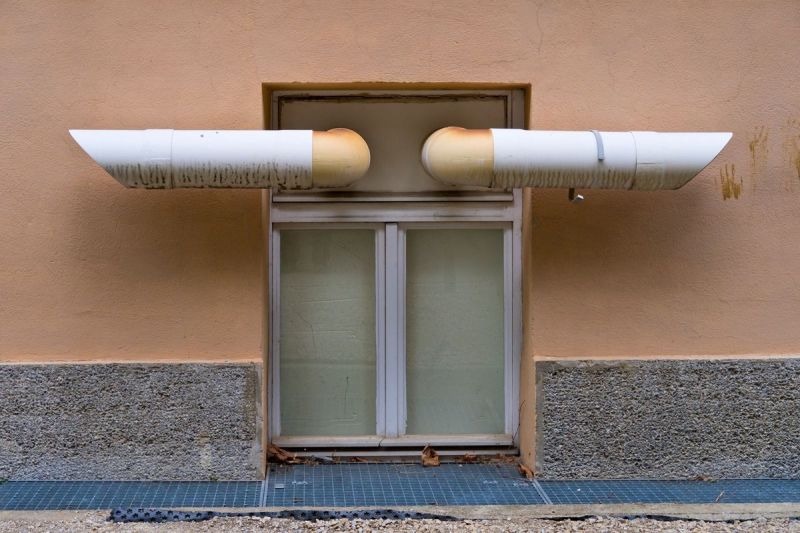
That makes extraction non-negotiable rather than a nice extra. Building regulations require intermittent extraction of at least 15 litres per second in a bathroom, and the requirements are set out in Approved Document F on ventilation. In practice a 15 l/s fan on a short duct run is the minimum, and a humidity-sensing unit with a run-on timer is a far better buy at £90 to £180 fitted.
The common failure in both Plympton and Plymstock is a fan that is technically present but ducting into the loft rather than through the roof or wall. That does not remove moisture from the building, it moves it into the roof void where it condenses on the felt. We go into this in more detail in our guide to bathroom refresh versus full renovation in Plymouth, because it is often the deciding factor.
How Long the Work Actually Takes
A realistic Plympton or Plymstock timeline for a standard refit, assuming materials are on site before day one:
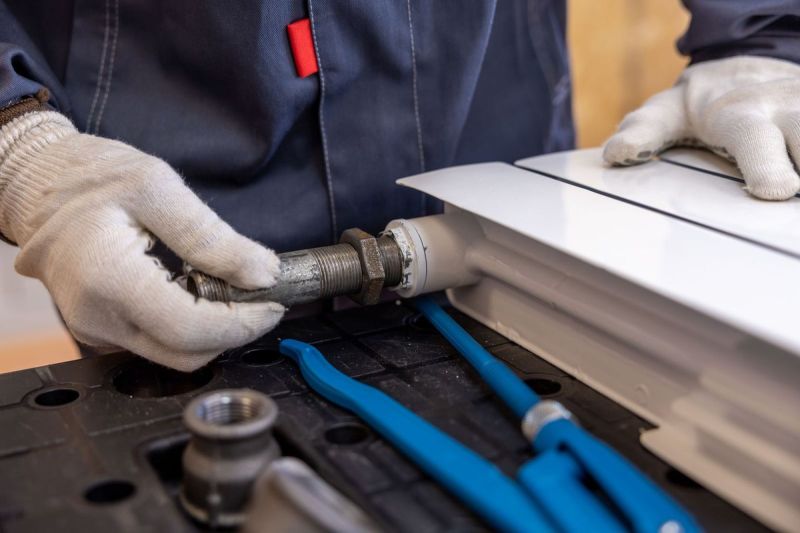
Day 1 is strip-out and disposal. Days 2 and 3 cover first-fix plumbing and electrics, including any pipe re-routing and the extractor duct. Day 4 is boarding and floor prep. Days 5 to 7 are tiling, with grouting on day 8 once the adhesive has cured properly. Days 8 and 9 are second fix - suite, screen, taps, towel rail. Day 10 is sealing, snagging and the final electrical certificate.
Add two to four days for a wet room, two days for a moved soil connection, and one day if the ceiling needs overboarding. The single biggest cause of overrun in this area is not the fitter, it is materials - a tile on eight-week lead time or a discontinued shower tray size will stop a job dead.
Choosing Between Quotes Without Guessing
Three quotes for the same Plymstock bathroom can arrive £3,000 apart, and the gap is almost never the labour rate. It is what is inside the quote.
Ask each firm to state, in writing: the tile allowance per square metre, whether tanking is included behind the shower and to what height, the extractor rate in litres per second, whether the electrical work will come with a Part P certificate, who removes the waste and whether that is priced, and what happens if the floor needs strengthening. A quote that answers all seven is comparable. One that says "supply and fit bathroom, £5,800" is not.
It is also worth checking registrations rather than logos. Plumbing competence can be checked against WaterSafe, and electrical work in a bathroom is notifiable, so the installer should be registered with a scheme listed on the Competent Person Register. Both checks are free and take a couple of minutes.
Frequently Asked Questions
How much does a new bathroom cost in Plympton or Plymstock?
A like-for-like refit in a standard 1.7m by 2.1m bathroom typically runs £4,500 to £6,500 in 2026. Changing the layout, removing a bath for a walk-in shower, or tiling floor to ceiling pushes it to £7,000 to £11,000. A full wet room with tanking and underfloor heating usually lands between £9,000 and £14,000.
How long does a bathroom fit take in this part of Plymouth?
Six to eight working days for a straight swap in a 1990s Plymstock property, and ten to twelve for a solid-wall Plympton house where pipework has to be chased and the ceiling overboarded. Wet rooms add two to four days for tanking and floor forming.
Why are Plympton bathrooms more expensive to fit than Plymstock ones?
Older Plympton stock tends to have solid brick walls that must be chased rather than drilled, cast iron soil stacks nearing the end of their life, lath and plaster ceilings that do not survive new downlights, and floor joists running awkwardly for shower trays. Each of those adds labour rather than materials.
Does Plymouth's soft water affect bathroom fittings?
Yes, mostly for the better. South West Water supplies soft water to both areas, so limescale in mixer cartridges and on screens is much less of a problem than in hard water regions. Near the coast at Hooe and Turnchapel, salt air is the bigger issue and it is worth specifying 316 stainless or PVD-coated fittings.
You might also like
Bathroom Fitters Plymouth