
Bathroom Tiling Costs in Plymouth: Price Per m² and What Affects It
Tiling is the part of a bathroom that everyone sees and touches every day, so it's worth getting the pricing right before you commit. In 2026, bathroom tiling in Plymouth typically costs £35 to £70 per square metre for labour alone, with tiles themselves adding anywhere from £15 to £120 per square metre on top. A standard Plymouth bathroom has around 15 to 25 square metres of tiled surface once you count the walls, so a full retile usually lands between £900 and £3,000 all in. Labour makes up roughly 55% to 70% of a tiling bill, which surprises people who budget for the tiles and forget the fitter. Plymouth's damp, salty coastal air also makes waterproofing behind those tiles more important here than in drier inland towns. Here's how the numbers break down and what pushes them either way.
What You Actually Pay For: Labour vs Materials
A tiling quote is really two numbers stitched together - the fitter's time and the materials - and understanding the split helps you spend wisely. In Plymouth, tiling labour runs £35 to £70 per square metre, with the higher end reflecting fiddly work like small mosaics, natural stone, or a tricky old wall that won't sit flat. Materials on top include the tiles, adhesive, grout, primer and any tanking, and these vary hugely with your tile choice.
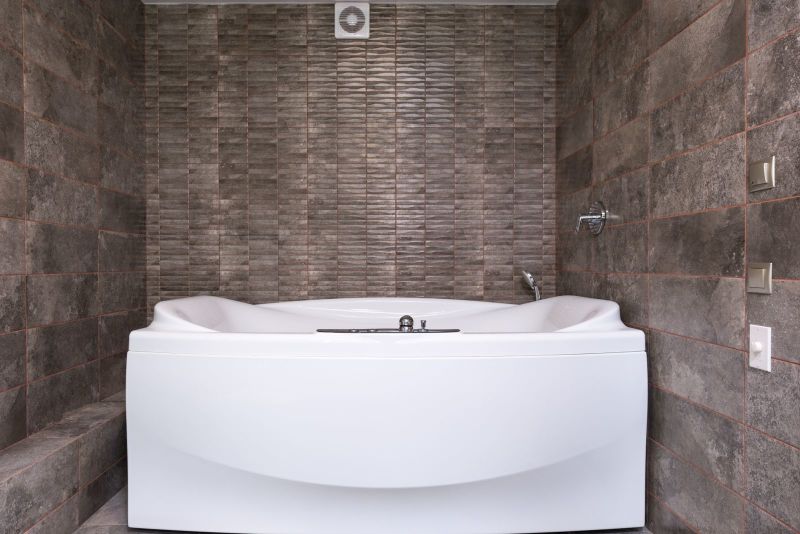
Because labour is the bigger share, a cheaper tile rarely saves as much as people hope - the fitting time is much the same whether the tile cost £15 or £80 a square metre. If you want a clear, itemised quote that separates labour from materials so you can see where the money goes, Bathroom Fitters Plymouth can measure up and price the job properly rather than giving a vague ballpark.
As a rough guide, a typical Plymouth bathroom of 18 square metres of tiling costs around £630 to £1,260 in labour, plus £270 to £2,160 in tiles depending on whether you go budget ceramic or premium porcelain and stone. Sundries like adhesive and grout add another £100 to £250.
Bathroom Tiling Price Per m² in Plymouth for 2026
Here's a realistic per-square-metre breakdown for tiling in a Plymouth bathroom:
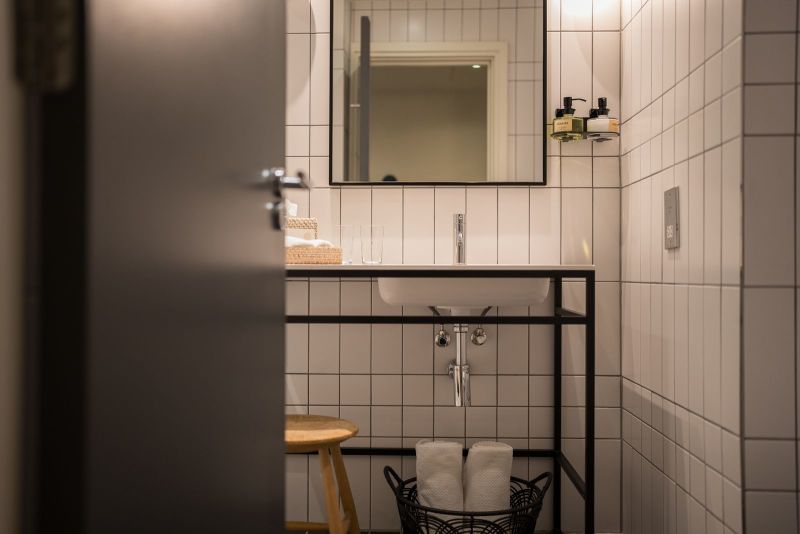
Standard ceramic wall tiles (straight lay): £35 - £45 per m² labour. The most common and quickest to fit.
Porcelain floor and wall tiles: £45 - £60 per m² labour. Harder and denser, so slower to cut, but far better in a wet, coastal bathroom.
Natural stone (marble, travertine, slate): £55 - £70+ per m² labour. Needs sealing and careful handling, and it's the slowest to lay.
Mosaics and small-format tiles: £60 - £90+ per m² labour. Lots of grout lines and cuts mean a lot more time.
On the material side, budget ceramic starts around £15 per square metre, mid-range porcelain sits at £30 to £60, and premium porcelain, marble-effect or natural stone can run £70 to £120+. Devon labour rates run a touch softer than the South East, so Plymouth tiling prices tend to sit just below the UK city average - but a skilled tiler who gets the tanking and falls right is worth paying properly for.
What Pushes the Price Up or Down
The headline rate is only a starting point. Several factors move a Plymouth tiling quote around, and knowing them helps you avoid a nasty surprise mid-job.
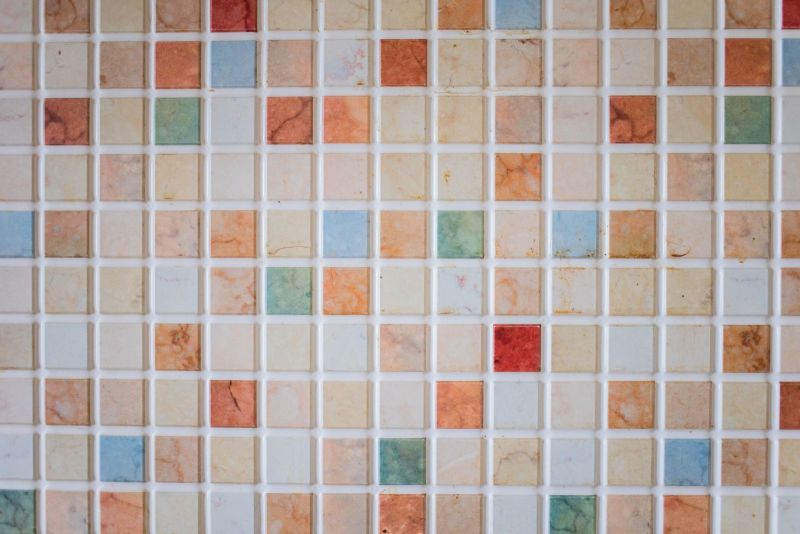
Tile size and pattern matter most. Large-format tiles cover ground faster but are heavier and less forgiving on an uneven wall, while small mosaics and patterns like herringbone or brick-bond can add 15% to 40% to labour because of the extra setting-out and cutting. A diagonal or herringbone lay is slower than a simple straight grid every time.
Wall and floor condition is the other big one. Old Plymouth terraces and post-war semis often have walls that are out of true, crumbling plaster, or timber floors that flex. Any of that needs prep - overboarding, re-plastering or a decoupling membrane - before a single tile goes on, and prep can add £200 to £600 to a job. Removing old tiles and disposing of the rubble adds another £150 to £400. Whoever does your associated plumbing behind the tiles should be properly registered, which you can confirm on the WaterSafe register of approved plumbers before work starts.
Waterproofing: Why It Matters More in Plymouth
This is the part hidden behind the tiles, and in a coastal city it earns its keep. Tanking - applying a waterproof membrane to walls and floors in wet zones before tiling - stops moisture getting into the wall structure behind. It's essential in showers and wet rooms and strongly recommended around any bath.
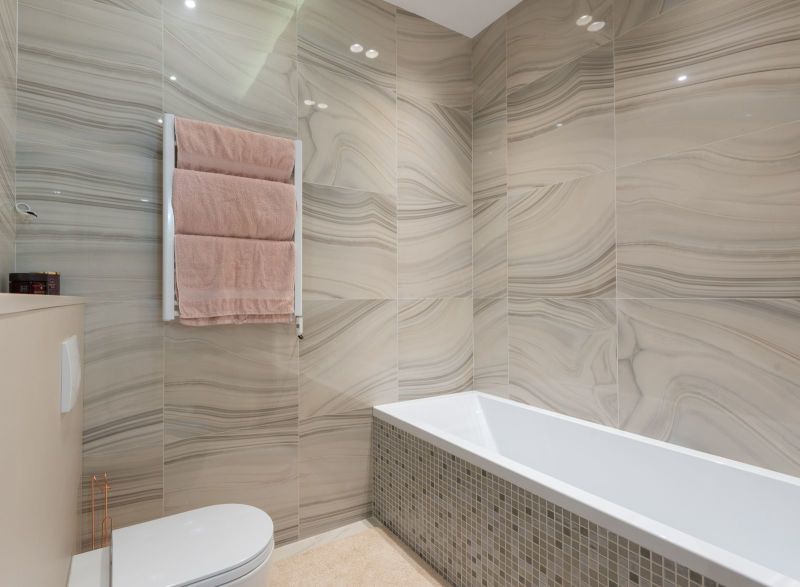
Plymouth's climate makes this more than a box-ticking exercise. The city sees around 1,000mm of rain a year and humidity that regularly climbs above 80% in the cooler months, so a bathroom here rarely dries out fully on its own. Moisture that gets past poor waterproofing sits in the wall and eventually blackens grout, lifts tiles and rots timber. Proper tanking in a shower area adds around £150 to £400 to a job, which is trivial next to the cost of ripping out a failed wall a few years later.
The correct build-up and moisture control also tie into the ventilation rules in the government's Approved Document F covering ventilation, since tiling and extraction work together to keep a coastal bathroom healthy. We see failed grout and lifting tiles from skipped tanking noticeably more often on Plymouth jobs than the national picture suggests.
Grout, Sealing and the Coastal Damp Factor
Grout and sealant are the finishing touches most people never think about until they fail, and in Plymouth they fail faster if you cut corners. Standard cement grout is fine on most walls, but in showers and around baths an epoxy or flexible grout resists mould and moisture far better - it costs more per tube but saves the grim job of raking out blackened grout in a year or two.
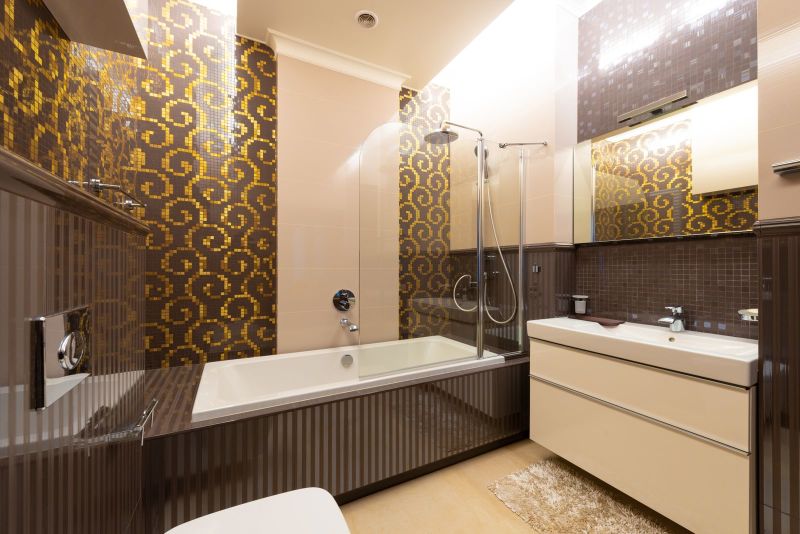
The salt-laden coastal air adds another wrinkle. Natural stone tiles like marble and travertine are porous and will stain and dull without regular sealing, and that maintenance load is heavier in a humid seaside bathroom than an inland one. If you love the look of stone but don't fancy resealing every 6 to 12 months, a good porcelain that mimics stone gives you the appearance with almost none of the upkeep.
Silicone sealant around the bath, basin and shower tray typically needs replacing every 3 to 5 years anyway, and sooner in a high-humidity Plymouth bathroom. Budgeting a small amount for this ongoing upkeep keeps the whole finish looking sharp for the 15 to 20 years good tiling should last.
Timeline and Getting the Most From Your Tiler
A standard Plymouth bathroom wall retile takes a skilled tiler around 2 to 4 days, plus a day for prep and a day for grouting and sealing, so a full room is usually a 4 to 6 day job. Natural stone, mosaics or heavy prep can stretch that toward a week or more. The setting-out - working out where the first tile lands so cuts fall neatly and symmetrically - takes longer than people expect but makes or breaks the finished look.
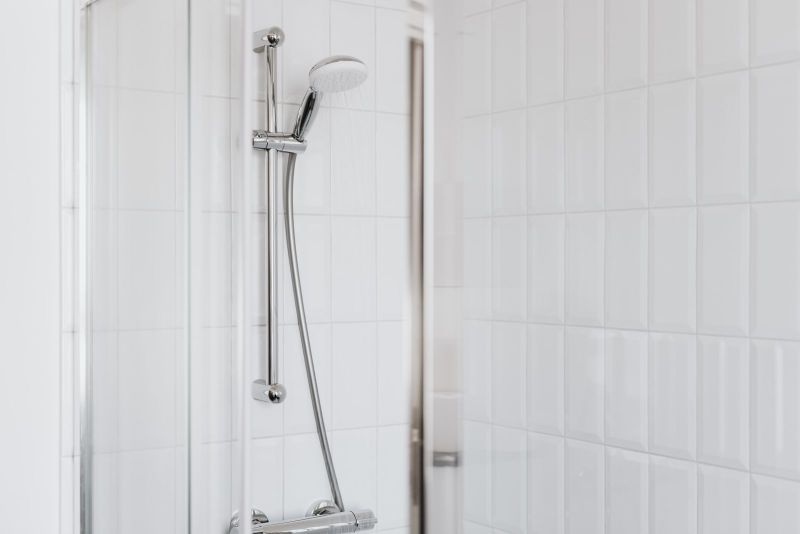
To get the best value, have your tiles, adhesive and grout on site before the tiler starts, and buy around 10% extra for cuts, breakages and future repairs. Order everything in one batch too, since tile colours can vary slightly between production runs. Around 1 in 6 Plymouth tiling jobs we see get held up simply because materials arrived late or short.
If you're still deciding on the tiles themselves, our guide to choosing bathroom tiles in Plymouth covers style, format and durability in more depth. And for independent advice on getting quotes and vetting a fitter, the consumer group Which? guidance on hiring a tradesperson is a sensible starting point before you sign anything.
---
FAQ
Q: How much does bathroom tiling cost per m² in Plymouth in 2026?
A: Bathroom tiling in Plymouth typically costs £35 to £70 per square metre for labour alone, with tiles adding £15 to £120 per square metre on top depending on whether you choose budget ceramic or premium porcelain and stone. Natural stone and mosaics sit at the higher labour end because they're slower to cut and lay. A full standard bathroom retile usually lands between £900 and £3,000 all in.
Q: Why is labour such a big part of a tiling bill?
A: Labour makes up roughly 55% to 70% of a bathroom tiling cost because fitting is skilled, time-consuming work - setting out, cutting, laying, grouting and sealing. Crucially, the fitting time is much the same whether your tile cost £15 or £80 a square metre, so choosing a cheaper tile saves far less than most people expect.
Q: Do I really need tanking behind bathroom tiles in Plymouth?
A: In showers and wet rooms, yes, and it's strongly recommended around baths too. Tanking is a waterproof membrane that stops moisture reaching the wall behind the tiles. Plymouth's coastal humidity, often above 80% in winter, and around 1,000mm of annual rainfall make failed waterproofing a real risk, so the £150 to £400 for proper tanking is cheap insurance.
Q: What makes a tiling quote go up?
A: The main factors are tile size and pattern (mosaics and herringbone can add 15% to 40% to labour), the condition of the walls and floor (prep on uneven old Plymouth walls adds £200 to £600), removing old tiles (£150 to £400), and the tile material itself. Natural stone and small-format tiles cost the most to fit; large plain ceramics the least.
---
You might also like
Bathroom Fitters Plymouth