
Adding a Bathroom in Plymouth: Costs of a New or Extra Bathroom in 2026
Adding a second bathroom is one of the few home projects that both makes daily life easier and pays you back when you sell, which is why so many Plymouth homeowners weigh it up. In 2026, a new or extra bathroom in Plymouth typically costs £4,500 to £12,000 depending on where it goes and how far the drains have to travel. A loft or bedroom conversion sits at the lower end, while a garage or extension bathroom that needs new foundations and long pipe runs pushes toward the top. Around a third of Plymouth's housing stock predates 1945, and those narrow post-war terraces rarely have a spare corner sitting ready for plumbing. An extra bathroom can also add roughly 4% to 6% to a property's value here, according to estate agent estimates. Here's what to budget for and where the money actually goes.
Where Can You Actually Put a New Bathroom?
The single biggest factor in the cost is location, because that decides how far you have to move water and waste. In a lot of Plymouth homes the obvious spaces are a loft conversion, a spare box bedroom, a section of an oversized landing, a downstairs cupboard under the stairs, or a garage. Each comes with its own quirks, and the closer you are to the existing soil stack, the cheaper the job. If you want an honest read on which spot in your home makes the most sense, Bathroom Fitters Plymouth can walk the house with you and point out the cheap wins and the expensive traps before you commit.
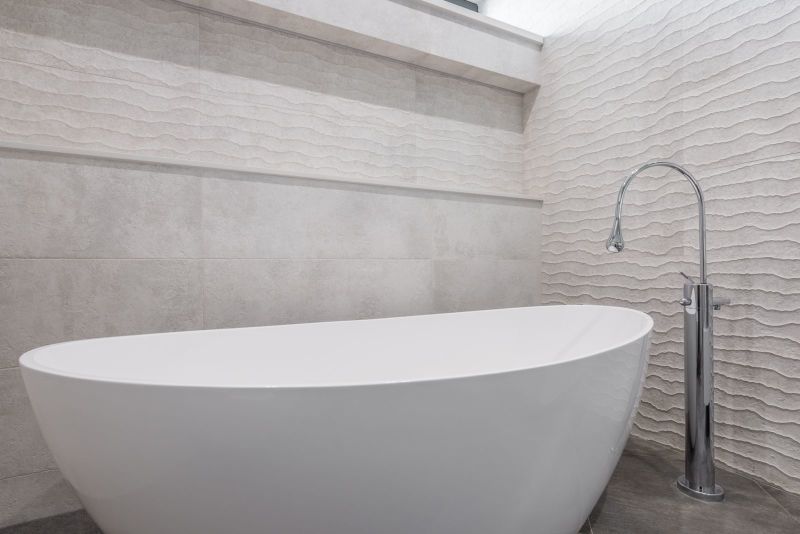
A converted box room usually costs least because the floor, walls and often a nearby stack are already there. Loft bathrooms cost more once you factor in strengthening the floor, adding a dormer for headroom, and pumping waste back down to the drain. Garage conversions vary wildly, since an attached garage on the same drainage side can be reasonable while a detached one may need a completely new run.
Roughly half the extra-bathroom enquiries we get in Plymouth are for a small second WC or shower room rather than a full suite, which keeps the footprint and the cost down. A compact shower room can often be squeezed into around 1.5 to 2 square metres.
Typical Costs of Adding a Bathroom in Plymouth for 2026
Here's a realistic breakdown for adding a new bathroom in a Plymouth home, fitted:
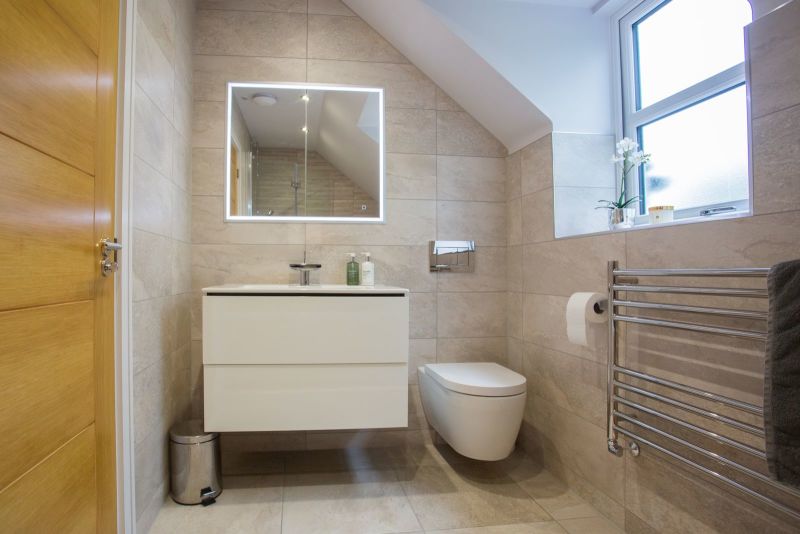
Cloakroom / small WC (basin and toilet): £3,000 - £5,000. A compact space near an existing stack, basic finishes.
Standard shower room (in a converted bedroom or landing): £5,500 - £8,500. Full shower, toilet, basin, tiling and ventilation.
Loft or extension bathroom (full suite): £9,000 - £16,000+. Includes floor strengthening or new build cost, longer pipe runs, and often a waste pump.
Labour is usually 40% to 55% of the total, running £2,500 to £6,000 across 1 to 3 weeks depending on scale. Materials and fittings make up the rest, with sanitaryware anywhere from £400 for budget to £2,500+ for a mid-to-premium suite. A waste pump, needed wherever gravity drainage isn't possible, adds £400 to £900 including fitting.
Plymouth pricing tends to sit a little below the UK city average because Devon labour rates run softer than London and the South East. That said, an extra bathroom involves drainage, electrics and sometimes structural work, so the cheapest all-in quote is rarely the one that ages well.
Drainage: The Hidden Cost That Catches People Out
Getting clean water to a new bathroom is easy. Getting dirty water away is the part that quietly sets the budget. Every toilet, basin and shower has to drain into the existing soil stack, and if your chosen spot is far from it, costs climb fast.
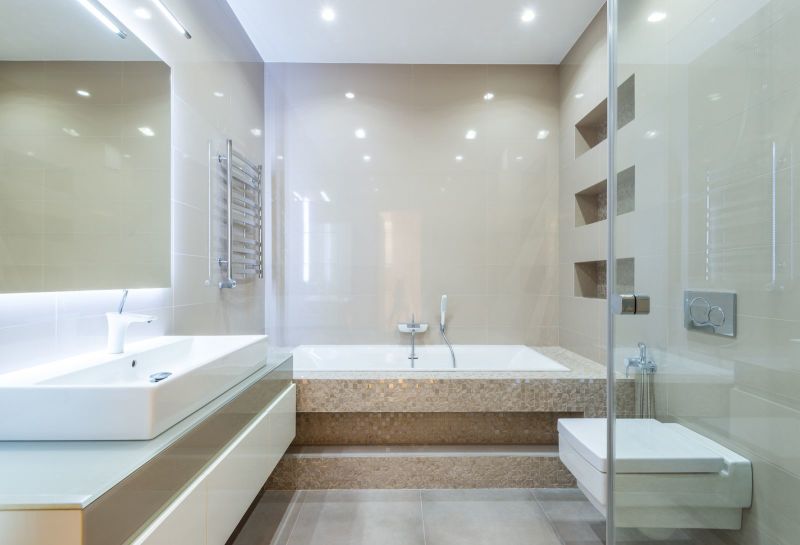
Where gravity drainage isn't possible - a loft, a basement, or a room on the wrong side of the house - you'll need a macerator or a pumped waste system. These work well but add £400 to £900 and need access for future servicing. Around 30% of the extra bathrooms we fit in Plymouth's older terraces end up needing some form of pumped waste, simply because the original single stack sits at the back of the house.
Any new drainage connection also has to meet the rules in the government's Approved Document H covering drainage and waste disposal, and connecting into a public sewer can need approval from South West Water. Building it right the first time avoids the far bigger cost of digging it up later.
Do You Need Planning Permission or Building Regs?
Most internal bathroom additions in Plymouth fall under permitted development and don't need planning permission, so converting a bedroom or landing into a bathroom is usually straightforward. The picture changes if you're extending the house, converting a loft with a new dormer, or living in a listed building or conservation area - and Plymouth has several conservation areas, including parts of the Barbican and Stonehouse.
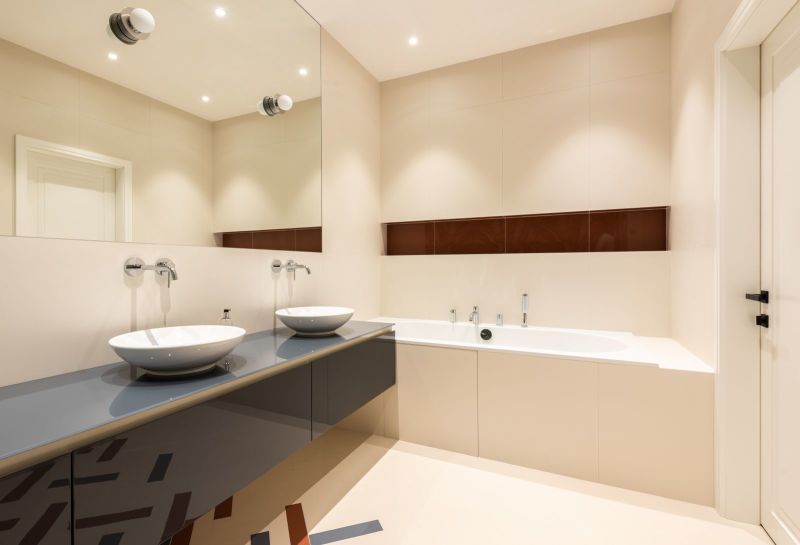
Building Regulations, though, almost always apply. A new bathroom involves drainage, electrics in a wet zone, ventilation and often structural changes, all of which are notifiable. Electrical work in a bathroom is especially tightly controlled because of the water risk, and it should be done and certified by a registered electrician. You can check the rules and find registered installers through the guidance on the government-endorsed scheme for electrical safety in the home.
Roughly 1 in 5 Plymouth homeowners we speak to assume an internal bathroom needs full planning permission when it doesn't - and a similar number don't realise the Building Regs side is the part that genuinely matters. Getting the paperwork right protects you at resale, since a future buyer's solicitor will ask.
How Plymouth's Coastal Climate Shapes the Job
Plymouth is a naval city sitting right on the Sound, and its mild, wet, salt-laden climate is harder on a new bathroom than a drier inland location. The city sees around 1,000mm of rain a year and humidity that regularly sits above 80% through the cooler months, so a bathroom that can't dry out properly will suffer.
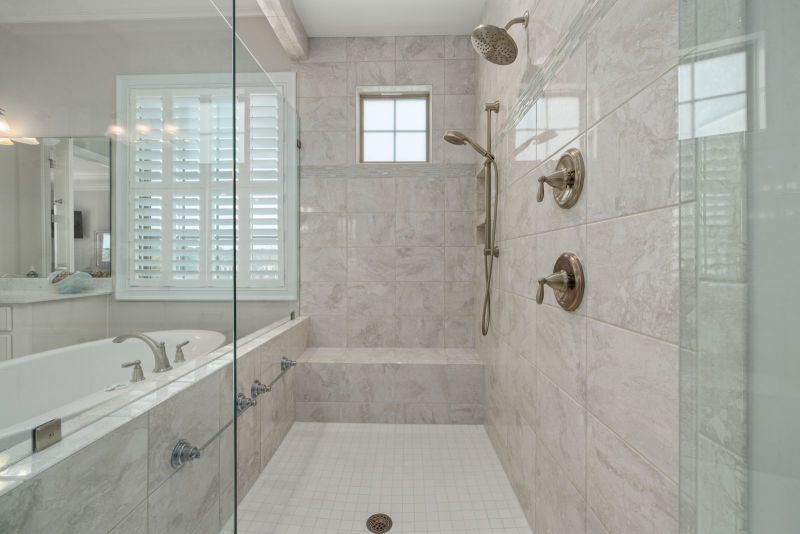
This makes ventilation a genuine cost line, not an afterthought. An internal bathroom with no window - common when you carve one out of a landing or loft - legally needs mechanical extraction anyway, and in Plymouth's damp air a good humidity-sensing extractor at £120 to £300 fitted is money well spent. Skimp here and you'll be repainting a mouldy ceiling within a year.
The salt air also nudges material choices. Exposed chrome fittings pit and dull faster in coastal Plymouth than they do in the Midlands, so brushed or solid brass finishes and moisture-resistant boarding behind tiles both earn their keep over a bathroom's 15 to 20 year life. We see damp-related callbacks on poorly ventilated coastal bathrooms noticeably more often than the national average would suggest.
Timeline and What to Expect During the Work
A simple cloakroom in an existing space takes around 4 to 7 working days. A full shower room in a converted bedroom runs 1 to 2 weeks, and a loft or extension bathroom - with structural work, longer runs and sometimes a build stage - can stretch to 3 or 4 weeks. The messy, invisible work of running pipes, wiring and drainage takes the bulk of the time, while fitting the suite and tiling is often the quick part at the end.
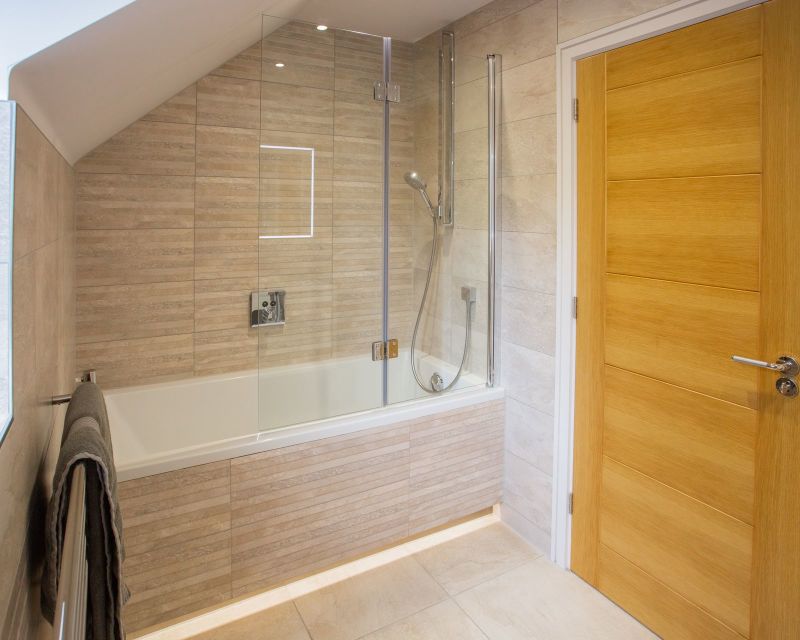
Because an extra bathroom is a real construction job rather than a swap, expect a couple of natural pause points - once when first-fix plumbing and electrics are in and need checking, and again when drainage is tested before everything gets boxed in. Those checks aren't padding; a leak found behind a finished wall is a far more expensive problem than one caught early.
If you're specifically thinking about squeezing an ensuite into a bedroom, our guide to adding an ensuite in Plymouth goes deeper on that particular job. And for independent help comparing quotes and vetting fitters, the consumer group Which? guidance on hiring a builder or tradesperson is a sensible place to start.
---
FAQ
Q: How much does it cost to add a new bathroom in Plymouth in 2026?
A: Adding a new or extra bathroom in Plymouth typically costs £4,500 to £12,000 fitted, though a compact cloakroom can start around £3,000 and a full loft or extension bathroom can reach £16,000 or more. The biggest cost drivers are how far the drainage has to travel and whether structural work or a waste pump is needed. Labour usually accounts for 40% to 55% of the total.
Q: Do I need planning permission to add a bathroom in Plymouth?
A: Most internal bathroom additions, such as converting a bedroom or landing, fall under permitted development and don't need planning permission. You will likely need it if you're extending the house, adding a loft dormer, or live in a listed building or one of Plymouth's conservation areas. Building Regulations almost always apply regardless, covering drainage, electrics and ventilation.
Q: Can I put a bathroom anywhere in the house?
A: Almost, but the location decides the cost. The closer the spot is to the existing soil stack, the cheaper it is to drain. Lofts, basements and rooms on the wrong side of the house often need a macerator or pumped waste system, which adds £400 to £900. Around 30% of extra bathrooms in Plymouth's older terraces need pumped waste.
Q: Does adding a bathroom add value to a Plymouth home?
A: Generally yes. An extra bathroom can add roughly 4% to 6% to a property's value, and a second WC is one of the features buyers actively look for in family homes. As long as the work is done to Building Regs and properly certified, it's one of the more reliable improvements for resale in the Plymouth market.
---
You might also like
Bathroom Fitters Plymouth