
Low Water Pressure in Plymouth Bathrooms: Shower Pumps, Causes, and Fixes
Few things sour a bathroom faster than a shower that trickles instead of pours, and it's one of the most common complaints we hear across Plymouth. The causes range from the city's older gravity-fed plumbing to blocked heads and undersized pipes, and the right fix depends entirely on which one you've actually got. In 2026, a shower pump fitted in a Plymouth home typically costs £350 to £900 including labour, while a full switch to a pressurised system runs £1,500 to £3,500. Around a third of Plymouth's housing stock predates 1945, and a large share of those homes still run on a cold tank in the loft and a hot cylinder in the airing cupboard, the classic low-pressure setup. Roughly 60% of the weak-shower calls we get in the city trace back to that gravity-fed design rather than a fault. Here's how to work out which camp your home is in, and what each fix costs.
First, Work Out What Kind of System You Have
Before spending a penny, it pays to know how your home makes hot water, because that decides everything. Most Plymouth homes fall into one of three types, and each behaves very differently at the showerhead.

A gravity-fed system has a cold water tank in the loft and a hot cylinder in the airing cupboard, with pressure created only by the height of the tank above the tap. This is the classic low-pressure culprit and by far the most common in the city's older stock. A combi boiler system takes water straight off the mains and usually gives decent pressure with no tank at all. An unvented or pressurised cylinder system stores hot water at mains pressure and gives strong flow throughout the house. If you're not sure which you have, Bathroom Fitters Plymouth can take a look and tell you what your options actually are before you commit to anything.
The reason this matters is simple: a shower pump is the right answer for a gravity-fed system but the wrong one for a combi. Around 70% of the homes where we end up fitting a pump are gravity-fed, and fitting one to the wrong system either does nothing or breaches your boiler's terms.
Why Plymouth Homes So Often Have Low Pressure
Plymouth's plumbing history explains a lot of its weak showers. The city was heavily rebuilt after the Second World War, and the wave of council-built terraces and semis from the late 1940s and 1950s were plumbed the standard way of the era: cold tank in the loft, hot cylinder below. Those systems were never designed for the power showers people expect today.

The loft tank is the heart of the problem. Pressure from a gravity system depends on the vertical distance between the tank and the showerhead, so a ground-floor bathroom might get a reasonable flow while an upstairs shower barely dribbles because the tank sits only a metre or so above it. In a typical Plymouth two-storey terrace, upstairs shower pressure often measures well under 0.5 bar, whereas a comfortable shower wants around 1 to 1.5 bar. That gap is exactly what a pump closes.
There's a local water quality angle too. Plymouth's supply is on the softer side compared with much of England, which is good news - soft water means far less limescale furring up pipes and shower heads than hard-water cities like London or Cambridge suffer. So while scale isn't usually the villain here, decades-old narrow-bore pipework and partially closed valves often are.
Common Causes That Aren't a Pump Problem
A pump is not always the answer, and it's worth ruling out the cheap fixes first. A surprising number of weak showers come down to something small that costs very little to put right.
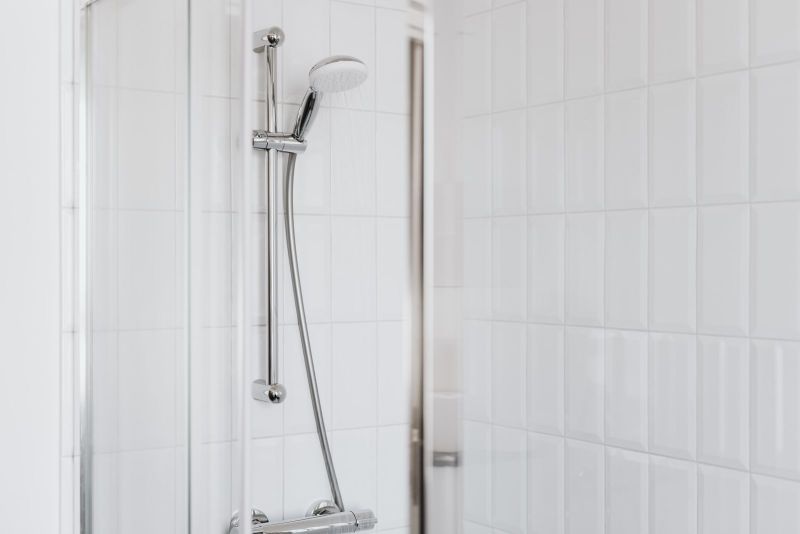
A clogged shower head is the classic. Even in soft-water Plymouth, soap scum, grit from old pipes and general gunge build up in the rose over the years and choke the flow. Soaking or replacing a head costs almost nothing and fixes perhaps one in five weak-shower complaints on its own. A partially closed isolation valve, often knocked during earlier work, is another quick win, as is a kinked or crushed flexible hose behind the head.
Older Plymouth homes also suffer from undersized or furred pipework. A 15mm feed narrowed by decades of internal sediment simply can't deliver a strong flow no matter what you bolt on. In those cases, upgrading a run of pipe can add £200 to £600 but solves the root cause rather than masking it. It's always worth having someone check these basics before quoting a pump, and any plumber connecting to your supply should be on the WaterSafe register of approved plumbers so you know the work meets water regulations.
When a Shower Pump Is the Right Fix
If your home is genuinely gravity-fed and the basics check out, a shower pump is the most reliable way to turn a dribble into a proper shower. A pump sits between your tank, cylinder and shower, and boosts the flow to whatever you set, typically lifting a feeble 0.3 bar to a strong 1.5 to 2 bar.

Pumps come in single and twin varieties. A single-impeller pump boosts either the hot or cold feed and suits a mixer shower fed from one balanced source. A twin-impeller pump boosts both hot and cold separately and is the usual choice for a proper power shower, giving even pressure however you set the temperature. Twin pumps cost more but are what most Plymouth power-shower jobs actually need. Expect to pay £180 to £500 for the pump itself and £150 to £400 for fitting, depending on access to the cylinder and tank.
There are rules to respect. A pump needs a suitable water supply and correct connections to work safely and legally, and it should never simply be strapped onto a combi or unvented system. The regulations that govern how water fittings and boosting devices are installed are set out in the government's Water Supply (Water Fittings) Regulations guidance, which a good fitter will already work to.
Shower Pump vs Switching to Mains Pressure
Sometimes a pump is a sensible patch, and sometimes the better long-term move is to change the system altogether. Which one wins depends on your budget, your plans for the house, and how many outlets need help.
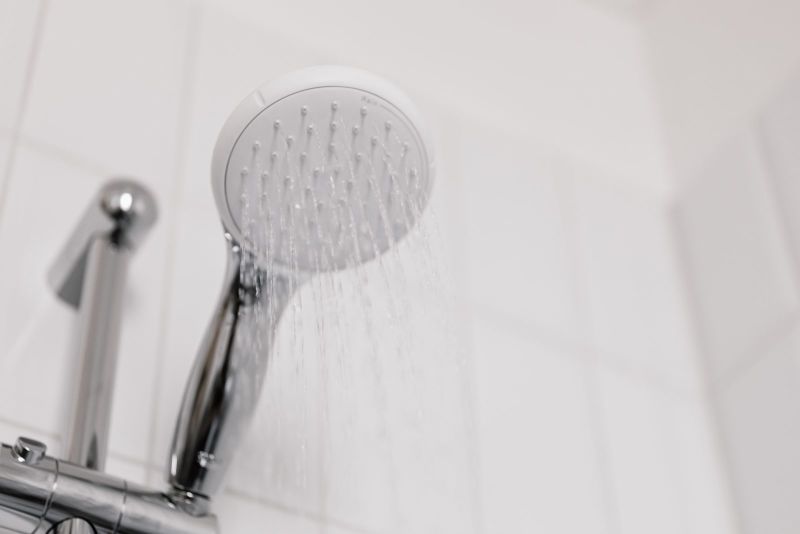
A pump is quick, relatively cheap and targeted - ideal when one shower is the problem and the rest of the house is fine, with a total cost usually landing between £350 and £900 fitted. The downside is that pumps have moving parts, can be noisy, and typically last around 8 to 12 years before they need replacing. Switching to a pressurised unvented cylinder or a modern combi solves pressure everywhere at once and removes the loft tank entirely, but it's a bigger job at £1,500 to £3,500 and sometimes needs a mains supply check first, because a weak incoming main can't feed a pressurised system properly.
As a rough guide, around 55% of Plymouth homeowners we advise on this choose a pump because they only want to fix the shower they use, while those already planning a bathroom or boiler upgrade more often fold a full system change into the wider project. Neither is wrong; it's about matching the fix to the plan.
What It Costs and How Long It Takes in Plymouth
For most Plymouth homes, fitting a shower pump is a half-day to full-day job. A straightforward twin pump installed near an accessible cylinder takes 3 to 5 hours, while an install needing new pipe runs, a boarded-in cylinder or a noise-reducing mount can stretch to a full day. Total costs sit at £350 to £900 fitted for a pump, £200 to £600 to upgrade tired pipework, and £1,500 to £3,500 for a full switch to mains pressure.

Running costs are modest. A shower pump only draws power while the shower runs, adding perhaps £15 to £30 a year to a typical Plymouth household's electricity bill - small against the difference it makes each morning. Positioning matters for noise: a pump mounted on a solid base with flexible hose tails runs far quieter than one bolted to a resonant floorboard, which is worth insisting on in a terrace where sound travels to the next room.
If your low pressure is really a prompt to rethink the whole room, our guide to the different shower enclosure types available in Plymouth is worth a read alongside this one. And for an independent view on comparing installers and getting fair quotes, the consumer group Which? guidance on finding and hiring a tradesperson is a sensible place to start.
---
FAQ
Q: How much does a shower pump cost to fit in Plymouth in 2026?
A: A shower pump fitted in a Plymouth home typically costs £350 to £900 in total. The pump itself is £180 to £500 depending on whether you need a single or twin-impeller model, and fitting adds £150 to £400 depending on access to the cylinder and tank. A full switch to a mains-pressure system instead runs £1,500 to £3,500.
Q: Why do so many Plymouth homes have low water pressure?
A: Much of Plymouth's housing was rebuilt after 1945 with gravity-fed plumbing - a cold tank in the loft and a hot cylinder in the airing cupboard. Pressure depends on the tank height above the shower, so upstairs showers often measure under 0.5 bar when a comfortable shower wants 1 to 1.5 bar. Around 60% of our weak-shower calls trace back to this design.
Q: Do I always need a pump to fix a weak shower?
A: No. Rule out the cheap causes first - a clogged shower head, a partially closed isolation valve, or a kinked hose fixes roughly one in five weak showers for almost nothing. Undersized or furred pipework is another common cause. A pump is the right answer for a genuinely gravity-fed system, not for a combi boiler.
Q: Is limescale the cause of low pressure in Plymouth?
A: Usually not. Plymouth's water is on the softer side compared with much of England, so limescale furring up pipes and heads is far less of a problem than in hard-water areas. Weak showers here are more often down to gravity-fed systems, narrow old pipework or partially closed valves than to scale.
---
You might also like
Bathroom Fitters Plymouth