
Bathroom Suite Costs in Plymouth: What You Get at Each Price Point
Walk into any bathroom showroom in Plymouth and you'll see two suites that look almost identical with a £1,800 gap between them. The difference is real, but it's hidden in ceramic quality, brassware internals and how long the finish survives in a coastal city. Most Plymouth homeowners spend between £900 and £2,000 on the suite itself, with fitting adding another £1,800 to £4,000 on top depending on how much has to move. Around 30% of the city's housing stock was built before 1945, and those post-war terraces and pre-war villas rarely have a bathroom over 4 square metres, which quietly rules out half the showroom before you've started. Here's what you actually get at each price point, and which upgrades are worth paying for in Plymouth specifically.
What a Bathroom Suite Actually Includes
A "suite" normally means the bath, the toilet and the basin, sold together as a matched set. What it usually does not include is the shower valve, the enclosure, the taps, the waste kits, the toilet seat, or the tiling, and that's where a £499 advertised price quietly becomes £1,100 at the till. Ask any Plymouth showroom for a written line-by-line list before you compare anything, because two quotes for "a full suite" can differ by five separate items. If you'd like someone to sanity-check a spec sheet before you order, the team at Bathroom Fitters Plymouth will happily go through it with you.
As a rough split, the suite itself typically accounts for 20% to 30% of a full bathroom project cost in Plymouth. Tiling, labour, plumbing alterations and electrics make up the rest. That's worth holding on to, because homeowners often spend weeks agonising over a £300 difference in baths while a drainage decision worth £900 goes unquestioned.
The other thing to check is what shape suite your room can take. In a typical Plymouth terrace bathroom of 2.2m by 1.7m, a standard 1700mm bath fits along one wall and everything else has to work around it. That single measurement eliminates most of the "statement" ranges before price even enters the conversation.
Budget Suites: £400 to £900
At this level you're getting functional, perfectly usable sanitaryware. A budget suite in Plymouth generally means a 1500mm or 1700mm steel or thin-wall acrylic bath, a close-coupled toilet with a plastic seat, and a pedestal basin. Fittings are usually chrome-plated on a zinc or brass-effect base rather than solid brass.
The compromises are mostly in the things you feel rather than see. Budget acrylic baths are often 3mm to 4mm thick rather than 5mm to 8mm, so they flex underfoot and lose heat faster - typically dropping around 2°C more over a 30-minute soak than a well-insulated mid-range bath. Toilet seats at this level frequently need replacing within 3 to 5 years, and soft-close hinges are usually an optional extra at £30 to £60.
When Budget Genuinely Makes Sense
There are good reasons to buy at this tier, and they're not all about money being tight. Landlords fitting out rentals near the university, homeowners doing up a second bathroom that gets used twice a week, and anyone planning to sell within two years are all making a sensible call by spending less. We'd estimate 1 in 4 bathroom jobs in Plymouth are fitted with budget sanitaryware for exactly these reasons, and the results look fine on day one. If you're working to a tight number overall, our guide to a bathroom renovation on a budget in Plymouth covers where to save and where not to.
Mid-Range Suites: £900 to £2,000
This is where most Plymouth homeowners land, and honestly it's where the value sits. For roughly £1,200 to £1,600 you get a 5mm to 8mm reinforced acrylic bath with a proper support frame, a rimless or easy-clean toilet pan, a soft-close seat included rather than added, and solid brass tap bodies with ceramic disc cartridges instead of rubber washers.
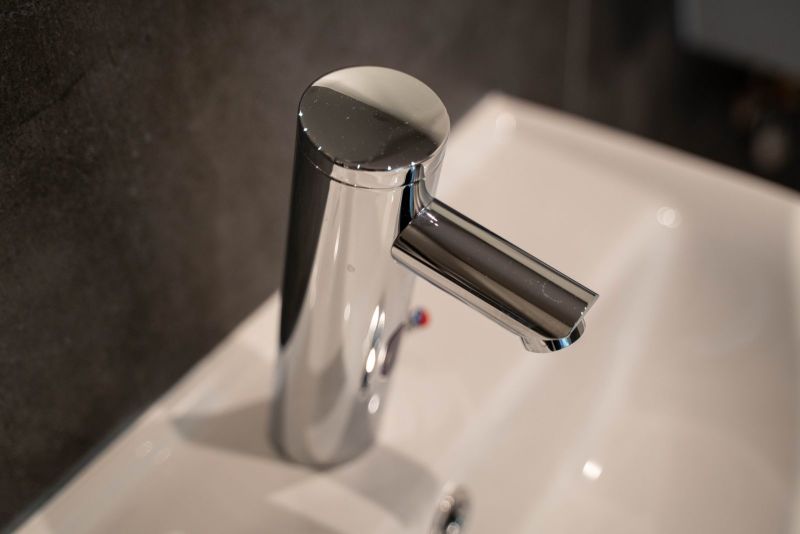
Ceramic disc cartridges matter more than they sound. They're rated for something in the region of 500,000 open-close cycles, compared with washers that start dripping after a couple of years of daily use. A dripping tap wastes an estimated 5,500 litres a year, so the upgrade pays for a chunk of itself.
You also start getting choices at this tier rather than one option in white. Vanity units with 400mm to 600mm of storage replace the pedestal basin, which in a small Plymouth bathroom is often the single most useful £250 you'll spend. Wall-hung pans with concealed cisterns appear around the £700 to £1,100 mark and free up roughly 150mm of floor depth, though they need a stud wall or a frame built in, adding 4 to 6 hours of labour.
Premium Suites: £2,000 to £5,000 and Up
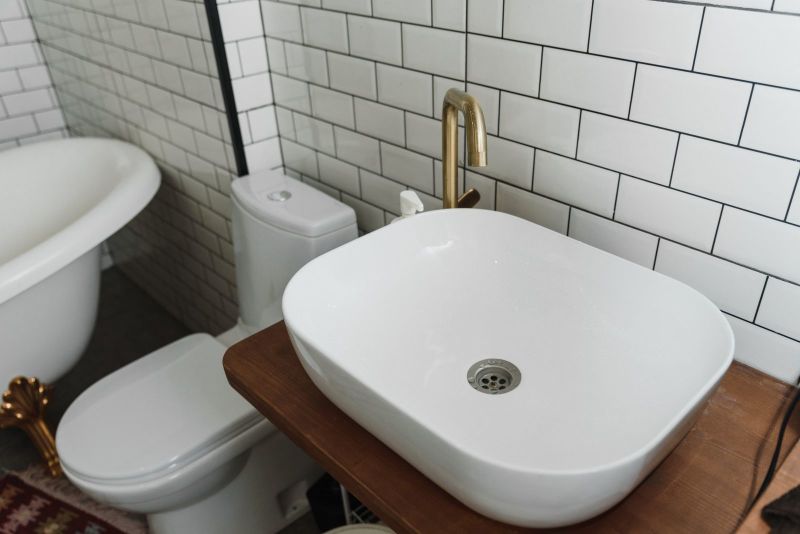
Premium buys you three things: materials that last, engineering tolerances that make everything feel solid, and design that isn't shared with 40,000 other bathrooms. Cast iron or stone-composite baths, thermostatic brassware with 10-year guarantees, back-to-wall or fully wall-hung ceramics with sub-1mm gaps, and finishes like brushed brass, gunmetal or matt black rather than chrome.
Freestanding baths sit almost entirely in this bracket, typically £1,200 to £3,500 before taps. They also need a floor that can take them - a filled cast iron bath with a bather in it can exceed 400kg, which in a Victorian Plymouth property with 100-year-old joists often means strengthening work at £300 to £700.
Thermostatic showers are the upgrade we'd argue hardest for at this level. They hold temperature within about ±1°C when another tap is opened, which matters in a household with kids. Independent testing from consumer group Which? on bathroom brands and buying advice is a useful counterweight to showroom sales patter if you're weighing up whether a brand name earns its premium.
What Fitting Adds on Top in Plymouth
The suite price is only part of the number. In Plymouth, a straight like-for-like swap where nothing moves runs roughly £1,200 to £2,200 in labour over 4 to 7 days. A full strip-out and refit with new tiling, altered pipework and new electrics runs £2,500 to £4,500 across 1.5 to 3 weeks.
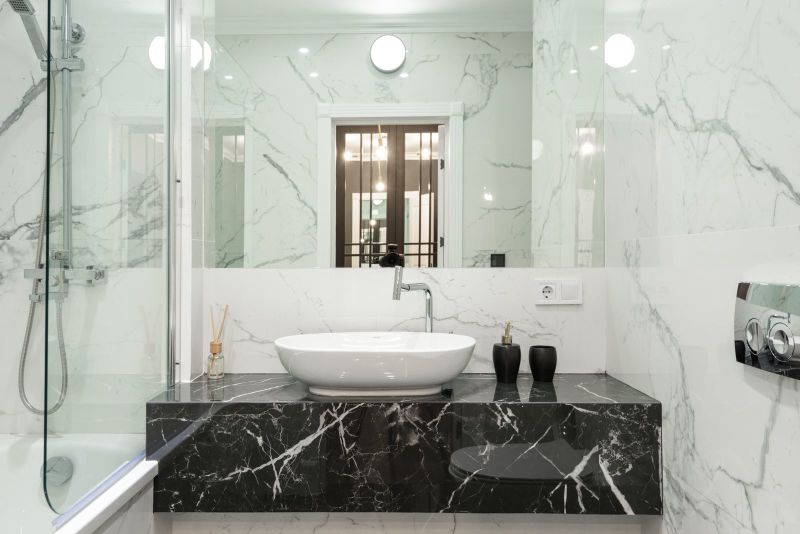
Devon labour rates generally sit around 10% to 20% below the national city average, which is genuinely good news for Plymouth homeowners. The flip side is availability. Skilled bathroom fitters here get booked up 6 to 10 weeks ahead in spring and autumn, and the quickest-available quote is very often the one you should look at hardest.
Anyone touching your water supply should be on an approved contractor scheme - you can check registrations through WaterSafe, the national approved plumber scheme. Electrical work in a bathroom is notifiable under Part P, and moving a soil pipe or adding new drainage falls under Building Regulations too, so it's worth reading the government's guidance on when Building Regulations approval is needed before you sign anything.
How Plymouth Homes Change What Suite Fits
Plymouth's housing is a patchwork, and each type pushes you toward a different tier. The city lost a huge amount of housing to wartime bombing and rebuilt fast, so there's an unusually large stock of 1950s and 60s properties alongside surviving Victorian and Edwardian terraces in areas like Stoke, Peverell and Mutley.
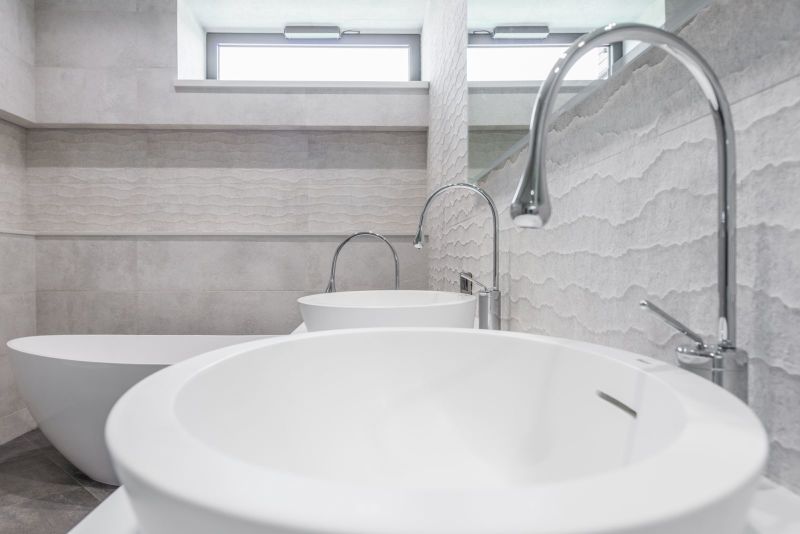
Post-war semis and terraces typically have bathrooms of 3.5 to 5 square metres with the soil stack on an external rear wall. That layout suits mid-range suites well and keeps plumbing alterations cheap. Older Victorian properties often have bigger rooms with higher ceilings, which is where premium freestanding baths actually look right rather than cramped - but also where you'll find lath and plaster walls, uneven floors and pipework that adds 15% to 25% to labour.
Then there's the naval housing legacy. Plymouth's long-standing service population means a fair number of homes have had quick, functional bathroom refits done between postings. If you've bought one, budget for the possibility that what's behind the tiles was never properly waterproofed.
Salt Air, Soft Water and What Actually Lasts Here
Plymouth sits on the Sound with prevailing south-westerlies coming straight off the water, and the city gets somewhere around 1,000mm of rain a year with humidity often above 80% through the winter months. Salt-laden air accelerates corrosion on plated finishes, and cheap chrome on a zinc base can start pitting within 2 to 4 years in a poorly ventilated coastal bathroom.
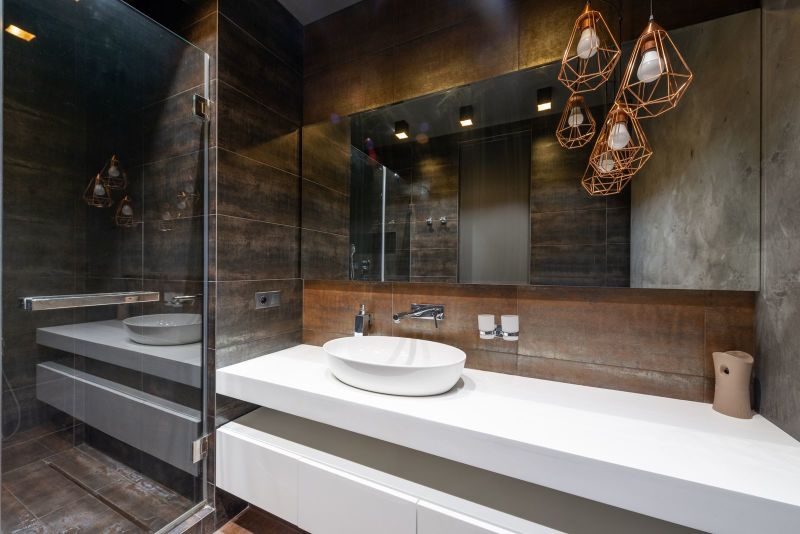
The good news is the water itself. Plymouth's supply comes largely off Dartmoor granite catchments, so it's soft - which means limescale damage to cartridges, shower heads and glass is far less of a problem here than in East Devon or the South East. Fittings that would scale up in 18 months elsewhere can stay clean for years in Plymouth.
That combination shifts what's worth paying for. Spend less on anti-limescale gimmicks and more on finish quality: solid brass bodies, PVD-coated brushed finishes, and marine-grade stainless steel fixings all earn their money here. Pair that with proper extraction and a decent mid-range suite in Plymouth will comfortably see out 15 to 20 years.
Comparing Quotes Without Getting Caught Out
The cheapest quote and the most expensive quote for the same bathroom in Plymouth can differ by 60%, and the gap usually isn't profit margin - it's scope. One quote includes new waste kits, tile trims, silicone, a shower valve and rubbish removal, and the other doesn't mention them.
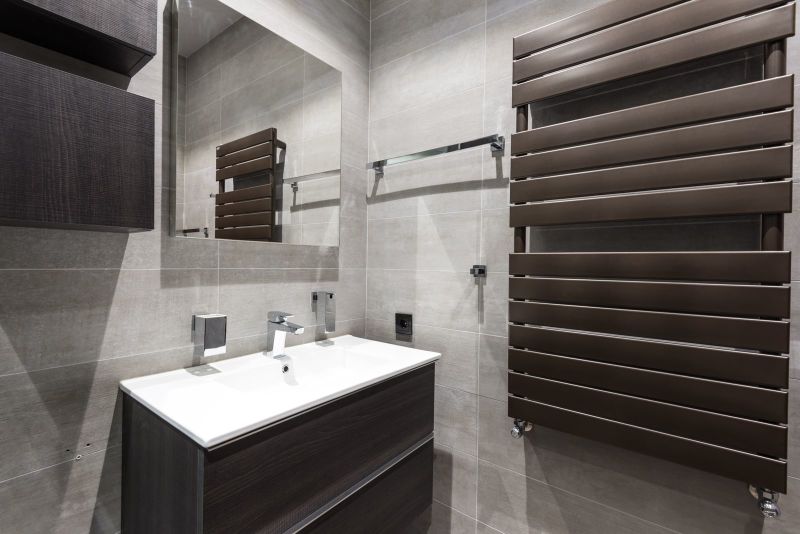
Ask every quote to itemise the suite, the brassware, the shower, the tiling materials, the labour and the waste disposal as separate lines. Ask what the contingency is for what's found behind the walls, because in a pre-1945 Plymouth property we'd budget 10% to 15% for surprises as a matter of course. And ask how long the guarantee runs on both parts and workmanship - 12 months on labour is common, 2 to 5 years is better, and 10 years on brassware is a normal manufacturer term at mid-range and above.
---
FAQ
Q: How much does a bathroom suite cost in Plymouth?
A: Most Plymouth homeowners spend £900 to £2,000 on the suite itself. Budget sets start around £400 to £900, and premium suites with cast iron or stone-composite baths and designer brassware run £2,000 to £5,000 or more. Fitting is separate and typically adds £1,200 to £2,200 for a like-for-like swap or £2,500 to £4,500 for a full refit.
Q: What's actually different between a budget and a mid-range bathroom suite?
A: Mostly materials and internals. Budget acrylic baths are around 3mm to 4mm thick and lose heat faster, while mid-range baths are 5mm to 8mm reinforced with a support frame. Mid-range taps use solid brass bodies with ceramic disc cartridges rated for roughly 500,000 cycles, and soft-close seats are included rather than being a £30 to £60 extra.
Q: Is hard water a problem for bathroom fittings in Plymouth?
A: Not really. Plymouth's water comes largely from Dartmoor granite catchments and is soft, so limescale damage to cartridges, shower heads and glass is much less of an issue than in harder-water parts of Devon and the South East. Salt-laden coastal air is the bigger threat here, and it attacks cheap plated finishes rather than internals.
Q: How long does it take to fit a new bathroom suite in Plymouth?
A: A straight swap where nothing moves usually takes 4 to 7 working days. A full strip-out with new tiling, altered pipework and electrics takes 1.5 to 3 weeks. Bear in mind that good Plymouth fitters are commonly booked 6 to 10 weeks ahead in spring and autumn, so allow lead time.
---
You might also like
Bathroom Fitters Plymouth