
Bathroom Snagging and Guarantees in Plymouth: What to Check Before You Pay the Final Bill
The final payment is the only leverage you will ever have on a bathroom job, and most people hand it over on the last afternoon while the fitter is still loading the van. Then the shower tray creaks in week three, the silicone goes black by month four, and the phone stops being answered. A typical Plymouth bathroom fit runs £4,500 to £9,500 with tiling and moving pipework, takes seven to twelve working days, and involves five or six trades passing through one small room. Something will need putting right - on a decent job it is two or three minor items, not twenty. The trick is finding them while the money is still in your account. Here is the snag list that actually matters in a Plymouth house, and what a guarantee needs to say to be worth anything.
Why Plymouth Bathrooms Snag Differently
Plymouth's water comes off Dartmoor via Burrator, and it is very soft - typically under 50mg/l of calcium carbonate against 300mg/l plus in the hard water belt around London. Soft water means almost no limescale, which sounds like pure good news. It also means soap scum films on glass and tile rather than rinsing away, and soft water is slightly more aggressive towards older copper pipework and cheap chrome plating.
Then there is the air. The city sits on a drowned river valley between the Tamar and the Plym with the sea at the end of it, average relative humidity runs above 80% for much of the year, and annual rainfall is around 1,000mm. A bathroom that ventilates adequately in Milton Keynes will run damp here.
The housing stock splits sharply too. Stoke, Mutley and Peverell are full of Victorian and Edwardian terraces with solid stone or rubble walls and no cavity. Much of the city centre and Ernesettle, Whitleigh and Ham was rebuilt post-Blitz between 1947 and 1964, with different construction again. The snags that show up depend heavily on which one you are in. If you want an honest opinion on a job that has just been finished, you can arrange a look through the Plymouth Bathroom Fitters website.
The Snag List: Water First
Everything else is cosmetic. Check the water side before you look at a single tile.
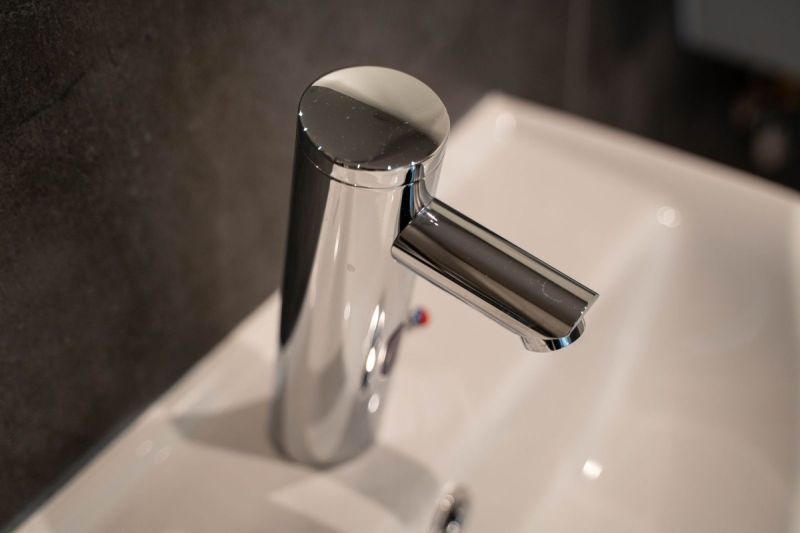
Run the shower for a full ten minutes on hot, then check the ceiling below if there is a room underneath, and check the floor at the tray edge and the door threshold. Ten minutes matters. A tray that has been bedded badly will not show a leak in ninety seconds.
Fill the bath to the overflow and let it drain. Watch the trap and the waste connection while it empties, not after. Push down on the bath while it is full - a bath that flexes under load will crack the silicone seal within a year, and it means the cradle or the feet were not set properly.
Check every isolation valve turns. Fitters sometimes seize them or fit them where you cannot reach. You want to be able to isolate the basin and the toilet without turning off the whole house.
Falls and drainage
In a wet room or a level-access shower, pour a jug of water at each corner of the tiled floor and watch where it goes. It should run to the gully with no standing water anywhere. A dead spot in a wet room is not a snag, it is a redo, and it is far easier to argue about before the final payment.
Ventilation: The One Plymouth Snag Nobody Checks
Hold a sheet of toilet paper to the extractor grille. It should hold against it. If it falls, the fan is either underpowered, ducted badly, or venting into a void.
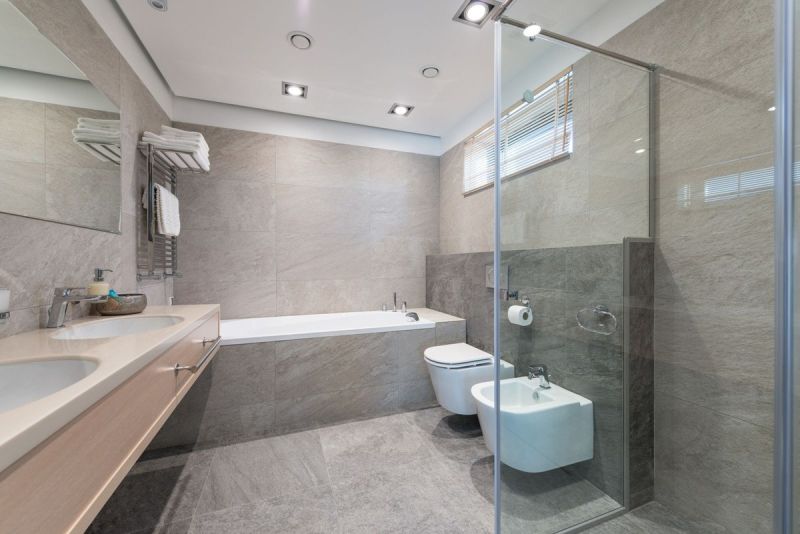
Building Regulations Part F sets the minimum at 15 litres per second for a bathroom, and the government's Approved Documents set out the requirement in full. In Plymouth's humidity a fan running at the bare minimum with four metres of concertinaed flexible duct will not clear a shower room. Ask where the duct terminates and go outside and look at it. Ducts terminating in a loft, a soffit void or under floorboards are common, and they are the single biggest cause of mould appearing six months after a "finished" bathroom.
Also check the fan has an overrun timer and that it actually runs on after the light goes off. Plenty are wired without one.
Electrical Sign-Off Is Not Optional
Bathroom electrics are notifiable work under Part P. Any new circuit, or a consumer unit change, has to be certified, and you should receive either a Building Regulations Compliance Certificate through a competent person scheme or a completion certificate from Plymouth City Council building control.
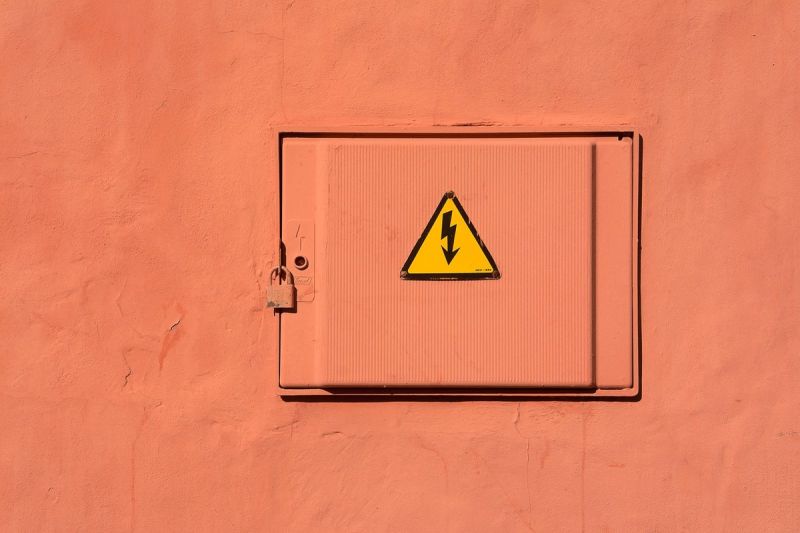
If the fitter says "the sparky did it, it's fine", that is not a certificate. You need the paperwork with the installer's scheme registration number on it, and you need it before the final payment, not posted on afterwards.
Check the shaver socket, the extractor and any downlights are all on the right zone rating for their position. IP44 minimum in zone 2, and nothing but IP65 or better directly over a shower.
What a Guarantee Should Actually Say
Most bathroom guarantees are two sentences on an invoice and worth roughly that. A guarantee worth having is written down and states four things: what is covered, for how long, who honours it, and what voids it.
Sensible Plymouth market norms:
- Workmanship guarantee: 12 to 24 months on labour, longer on tanking
- Tanking and waterproofing systems: 10 to 25 years, but backed by the manufacturer and only if a certified applicator fitted it
- Sanitaryware and brassware: manufacturer's warranty, typically 5 to 25 years on ceramics, 2 to 10 on shower valves
- Silicone and grout: usually excluded as consumables, which is reasonable
- Insurance-backed guarantee: available through schemes like TrustMark, and the only kind that survives the firm going under
That last one matters more than people think. A 25-year workmanship guarantee from a sole trader is a 25-year promise from one person's continued trading, nothing more.
Under the Consumer Rights Act work must be carried out with reasonable care and skill regardless of what the guarantee says, and you have statutory rights for six years in England. A guarantee adds to that, it does not replace it.
Holding a Retention Without Being Unreasonable
The workable approach on a domestic bathroom is a small retention rather than a standoff. Agree it at quote stage, in writing, before anyone lifts a floorboard.
Something like 5% held for 14 days after completion is normal, reasonable, and gives both sides a clean way to close the job. It is enough to make a return visit worth the fitter's while and small enough that no honest tradesperson objects. Fitters who refuse any retention at all, on any terms, are telling you something.
What is not reasonable is withholding a third of the bill over a grout line. Snagging is for defects, not for renegotiating the price you already agreed. If you want to know what to check before you hire rather than after, our vetting checklist for choosing a bathroom fitter in Plymouth covers the questions that head most of this off.
The 14-Day and 6-Month Checks
Some faults will not appear on handover day. Put two dates in your phone.
At 14 days, look at the silicone around the tray and bath. Mould growing this early means it was applied to a wet or dusty surface, or the wrong grade was used. Check the grout has not hairline-cracked at internal corners, where a flexible sealant should have been used instead.
At six months, check the same joints, look under the basin for any staining on the pedestal or the wall, and run your hand along the bottom two courses of tile behind the shower. Damp there means the tanking failed or stopped short. Six months is inside every reasonable workmanship guarantee, and it is the last easy moment to raise it.
Frequently Asked Questions
What should I check before making the final payment on a bathroom fit in Plymouth?
Run the shower for ten minutes and check for leaks below and at the tray edge, fill and drain the bath while watching the trap, test the extractor holds a sheet of paper against the grille, confirm every isolation valve turns, and get the Part P electrical certificate in your hand. Cosmetic snags matter less than any of these.

How long should a bathroom fitting guarantee last in Plymouth?
Twelve to twenty-four months on workmanship is the normal range, with tanking systems guaranteed 10 to 25 years by the manufacturer where a certified applicator installed them. Sanitaryware carries its own warranty from the maker. Only an insurance-backed guarantee survives the installer ceasing to trade.
Is it reasonable to hold back money until snags are fixed?
Yes, if it is agreed in writing before work starts. Around 5% held for 14 days after completion is a normal domestic retention. Withholding a large proportion of the bill over minor cosmetic items is not, and it usually ends the working relationship you need to get the snags fixed.
Why does mould keep coming back in my new Plymouth bathroom?
Almost always ventilation. Plymouth's relative humidity sits above 80% for much of the year, so a fan meeting only the 15 litres per second minimum, ducted through long flexible hose or terminating in a loft, cannot clear a shower room. Check where the duct actually exits the building before blaming the silicone.
You might also like
Bathroom Fitters Plymouth