
How to Choose a Bathroom Fitter in Plymouth: A Vetting Checklist
A full bathroom installation usually involves three trades working in sequence: plumbing, electrics, and tiling, often with some structural or waterproofing work in between. Get any one of those wrong and the problem doesn't show up on day one. It shows up six months later as a damp patch on the ceiling below, a tripping circuit, or grout that's already cracking. Around 1 in 5 bathroom complaints reported to consumer bodies in the South West relate to work that looked fine when it was finished and failed within a year. A bit of vetting before you book saves a lot of grief later. Here's what to actually check.
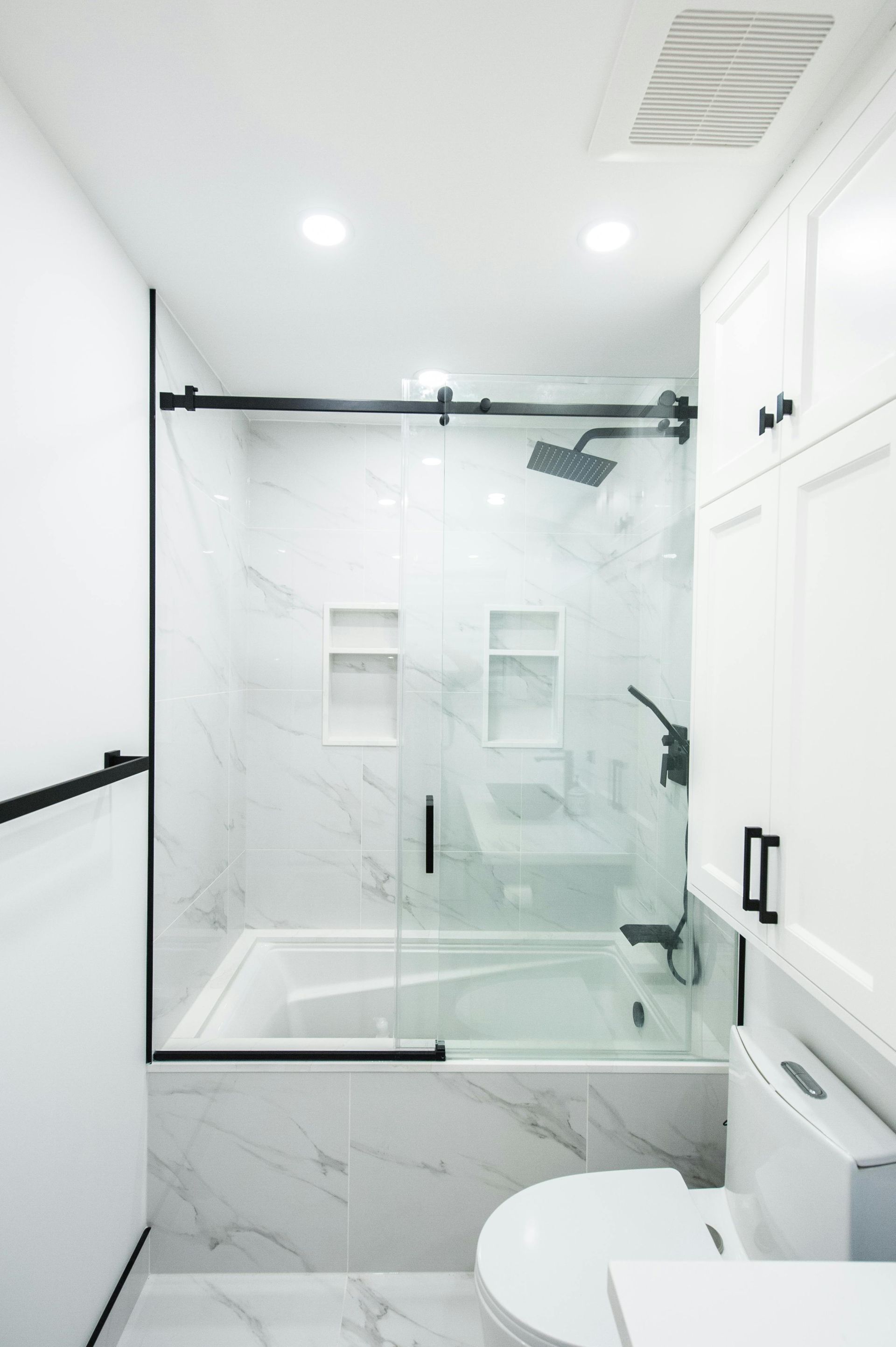
Before you commit to anyone, Bathroom Fitters Plymouth can talk you through what a properly qualified installation actually involves, no obligation either way.
A "bathroom fitter" isn't a single regulated trade, which is part of the problem. What matters is who's doing the plumbing and who's doing the electrics, and whether they're qualified for it. Any electrical work in a bathroom falls under Part P of the Building Regulations, and certain types of work must be certified by someone registered with a competent person scheme such as NICEIC or NAPIT, or signed off by building control afterwards. If a fitter can't tell you who's doing the electrics or how it'll be certified, that's a gap worth asking about before anything starts.
For the company as a whole, look for membership of a trade body such as the Federation of Master Builders (FMB) or a TrustMark registration. Neither is mandatory, but both involve some level of vetting, and TrustMark registration specifically means the firm has been checked against government-endorsed standards.
Insurance and What It Actually Covers
Public liability insurance matters here just as much as it does for any trade working in your home, typically £1–2 million for a domestic job. But for bathroom installations specifically, ask about insurance-backed guarantees on waterproofing and tanking work. This is the membrane system that stops water getting behind tiles and into the floor or wall structure, and it's the single most common source of expensive failures if it's done badly.
A workmanship guarantee that doesn't specifically mention waterproofing isn't covering the thing most likely to go wrong. Ask directly: if the tanking fails and water gets into the subfloor in two years, what happens? A fitter who's confident in their work will have an answer ready. One who hasn't thought about it probably hasn't thought much about the tanking either.
What a Reasonable Quote Looks Like
A detailed quote should break down labour for each trade, materials, and any allowance for unexpected issues, particularly if your bathroom is in an older Plymouth property where pipework or wiring might need updating regardless of what the new suite looks like.
We've written before about the hidden problems a bathroom installer often finds once an old bathroom is stripped back, and it's worth asking upfront how a fitter handles surprises. Do they stop and requote, or is there an agreed contingency built in? A quote with no flexibility for this at all is either unrealistically optimistic or hiding the cost somewhere else.
Red flags in quotes
A quote significantly below others usually means something's missing: proper waterproofing, an allowance for plumbing relocation, or skilled labour for the electrical work being subcontracted to whoever's cheapest that week. Ask what's included in plain terms.
Red Flags Beyond the Price
A fitter who can't show you photos of recent completed work, ideally with the client's permission to contact them, is harder to assess than one who can. Reviews help, but a short conversation with a previous customer tells you more about how problems were handled, not just whether the end result looked nice on the day.
Be cautious of anyone pushing you toward a full strip-out and re-tile when a more limited update, replacing a suite while keeping existing tiling and pipework runs, would do the job. It's not always wrong to recommend the bigger job, but it should come with a clear reason, not just a bigger invoice.
Large upfront payments are another one to watch. A deposit to secure materials and a date is normal, often 25–30% for a full bathroom given the cost of fixtures involved, but a request for the full amount before work starts isn't standard practice.
Local Knowledge Still Matters
Plymouth has a lot of older terraced and semi-detached housing where bathrooms were often added or extended decades after the property was built, sometimes with plumbing routed in ways that aren't obvious until walls come down. A fitter with experience in Plymouth's older housing stock will have seen this before and won't be caught out by a soil pipe in an unexpected place or a floor joist that needs working around.
If your property has any period features worth preserving, original tiling, cornicing, or similar, ask whether the fitter has worked around these before. Protecting what's there is a different skill from just clearing a room out.
FAQ
Q: What qualifications should a bathroom fitter in Plymouth have? A: There's no single regulated qualification for "bathroom fitting," but the electrical work must comply with Part P of the Building Regulations and be certified by someone registered with NICEIC, NAPIT, or a similar competent person scheme. For the company, look for FMB membership or TrustMark registration as signs of independent vetting.
Q: What insurance should a bathroom fitter have? A: Public liability cover of £1–2 million is standard for domestic work. For bathroom installations specifically, ask whether waterproofing and tanking work is covered by an insurance-backed guarantee, since this is the most common source of expensive failures if it's done badly.
Q: What's a normal deposit for a bathroom installation in Plymouth? A: A deposit of 25–30% to secure materials and a start date is normal for a full bathroom, given the upfront cost of fixtures. A request for full payment before work starts is not standard practice.
Q: How do I know if a quote is missing something important? A: A quote significantly cheaper than others often means waterproofing has been skimped on, plumbing relocation hasn't been allowed for, or electrical work is being subcontracted cheaply. Ask for a breakdown by trade and material, and ask directly what happens if unexpected issues are found once the old bathroom is stripped out.
You might also like
Bathroom Fitters Plymouth