
Hidden Problems a Bathroom Installer Will Find
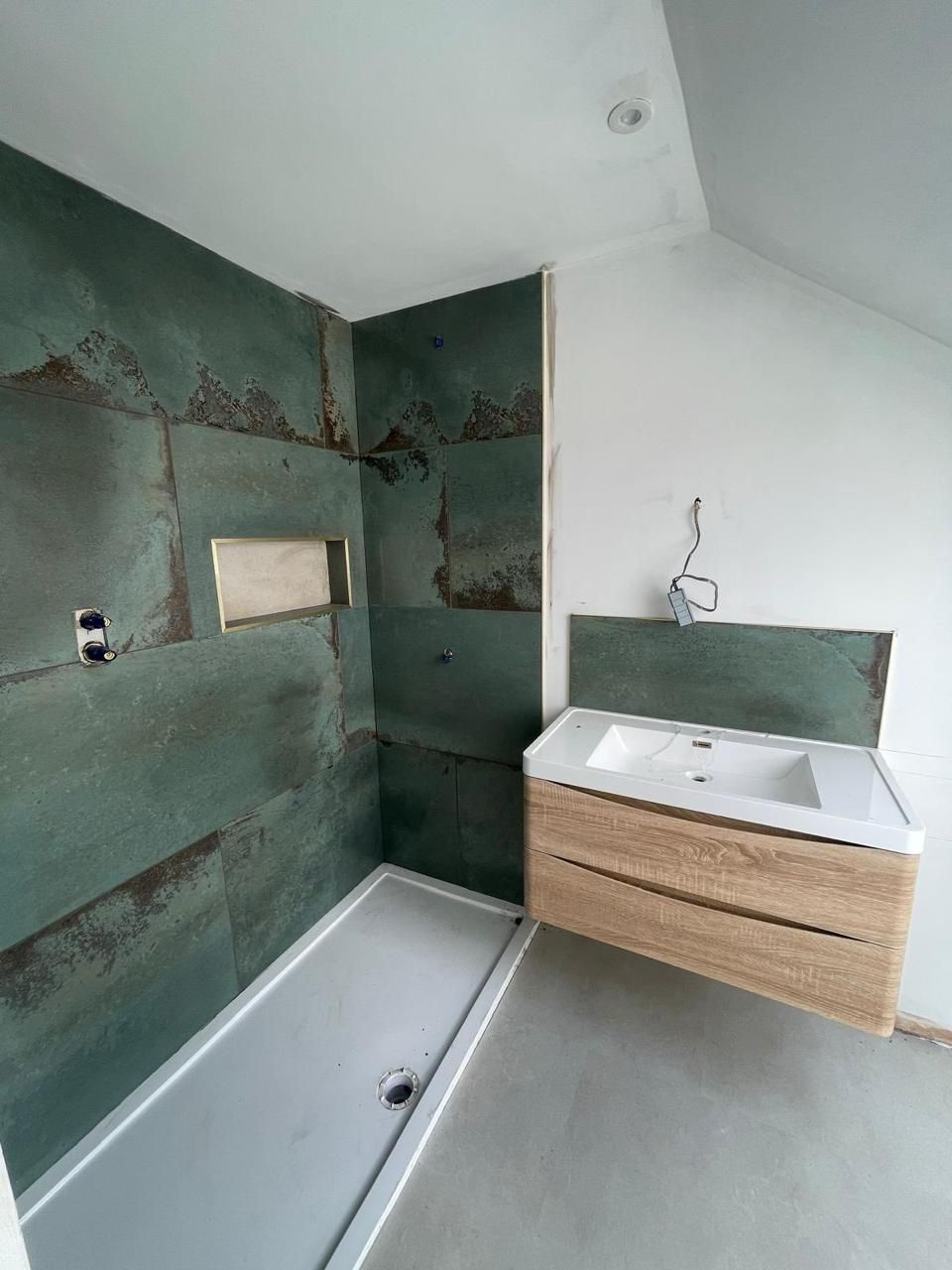
Updating a bathroom often begins with selecting attractive tiles, modern fittings, and a layout that suits your needs. However, achieving a result that is both visually appealing and built to last involves much more than choosing the right style. Important practical factors such as plumbing condition, structural stability, and effective ventilation must all be carefully considered before installation work begins.
Taking these elements into account early in the process can help avoid delays during the renovation and reduce the risk of expensive repairs later on. A knowledgeable installer will assess these key areas to ensure the finished bathroom is not only stylish but also safe and durable. Below are six common issues that professionals often identify when replacing a bathroom.
Hidden Water Damage Behind Walls or Beneath Floors
In many properties, particularly older homes, pipework may have developed small leaks over time that are not immediately visible. Moisture can gradually affect plasterboard, timber flooring, and even structural supports without obvious signs appearing on the surface.
Clues such as mould growth, damp patches, or a persistent musty smell can indicate hidden water damage. Identifying these problems before renovation begins is essential, as untreated damp can lead to timber decay and costly structural repairs. Professional installers will typically inspect for signs of moisture to ensure the new bathroom is installed on a solid foundation.
Outdated Pipework or Inefficient Plumbing Layout
Plumbing systems in older properties may not meet current standards or may not function as efficiently as modern systems. The positioning of pipes can influence both water pressure and drainage performance, and worn or corroded pipework increases the likelihood of leaks developing in the future.
During a renovation, it may be necessary to update or reposition pipework so that new fixtures operate correctly. Improving the plumbing system at this stage can help prevent future problems and ensure the bathroom functions reliably over time.
Poor Ventilation and Ongoing Moisture Issues
Bathrooms naturally produce high levels of humidity, particularly when showers or baths are used frequently. Without effective ventilation, condensation can build up on ceilings, walls, and windows. Over time, this moisture encourages mould growth, which can damage paintwork, tiles, and surrounding materials.
Upgrading or installing an extractor fan may be necessary when renovating a bathroom. Good airflow helps reduce moisture build-up, protects new surfaces, and contributes to a healthier indoor environment.
Installation Quality and Waterproofing
A high-quality finish depends heavily on the preparation of walls and floors before fixtures and tiles are installed. Uneven surfaces can lead to poor alignment and gaps that weaken the effectiveness of sealants.
Professional installers will ensure that surfaces are properly levelled and prepared in order to achieve a clean and precise result. Waterproofing systems are also applied to prevent water from penetrating underlying materials. Modern waterproof membranes provide long-term protection against leaks and help maintain the condition of surrounding structures.
Electrical Safety in Wet Areas
Electrical work in bathrooms requires careful planning due to the presence of water. Older wiring or poorly positioned electrical points may not meet current safety regulations and can present risks if left unchanged.
Ensuring that electrical installations comply with modern standards helps improve both safety and practicality. Adjustments may be required to provide suitable lighting and power sources while maintaining safe distances from water sources.
Making the Most of Your Bathroom Layout
A well-planned layout can significantly improve the comfort and usability of a bathroom, particularly in smaller spaces. Careful positioning of fixtures and the inclusion of practical storage solutions can help maximise available space without making the room feel overcrowded.
Thoughtful design allows the bathroom to remain functional while maintaining a clean and organised appearance.
Conclusion
Working with an experienced professional can make a significant difference to the success of a bathroom renovation. Skilled installers are able to identify potential issues that may not be immediately visible, helping to prevent complications later in the process.
Although structural improvements, plumbing updates, and ventilation adjustments may not always be noticeable once the renovation is complete, they are essential for ensuring long-term performance. Investing in professional expertise helps protect the value of your property and ensures your new bathroom remains both practical and visually appealing for many years.
By choosing a floating vanity unit, you can save a lot of floor space, similar to the situation above with the floating toilet.
You might also like
Bathroom Fitters Plymouth