
A Practical Guide to Understanding Why Your Old Bathroom Layout May Be Costing You Money (and How to Improve It)
Many homeowners assume their bathroom layout works fine until issues become obvious. However, an inefficient design can quietly lead to wasted space, higher water and energy usage, and even a lower property value. What seems like a minor inconvenience today can translate into long-term costs over time. In many cases, small layout adjustments can improve efficiency and help reduce ongoing expenses without requiring a complete renovation.
Inefficient Space Planning Can Increase Costs
Older bathroom designs often focused on fitting fixtures wherever possible rather than creating a functional flow. This has resulted in common layout problems such as large bathtubs placed in compact rooms, poorly positioned toilets, doors that restrict movement, and unused corner areas that reduce usable space. When a bathroom lacks efficient organisation, cleaning and maintenance become more time-consuming and costly. Modern layout solutions focus on improving usability while also increasing the overall appeal of the property, which can positively influence resale value.
Older Plumbing Layouts May Lead to Water and Energy Waste
Outdated plumbing configurations can contribute to unnecessary water and energy consumption. Longer pipe routes often mean hot water takes more time to reach taps or showers, leading to wasted water while waiting for the desired temperature. Similarly, poorly positioned fixtures may increase the demand on heating systems. Upgrading your layout provides an opportunity to introduce modern water-efficient fittings that help lower utility bills and reduce environmental impact. A well-designed plumbing setup improves both performance and long-term savings.
Poor Ventilation and Ongoing Moisture Issues
Bathrooms without adequate built-in storage often require additional furniture or organisers, adding avoidable costs. Clutter can also make a bathroom feel smaller and less functional, particularly in compact spaces. Incorporating smart storage options such as recessed shelves, drawer-based vanities, or wall-mounted cabinets helps maximise space while maintaining a clean and organised appearance. Thoughtful storage planning can enhance both practicality and visual comfort.
Poor Lighting Design Can Affect Efficiency
Many older bathrooms rely heavily on a single ceiling light, which often fails to provide sufficient illumination for everyday tasks such as shaving or applying makeup. Insufficient lighting may also increase energy usage if stronger bulbs are needed to compensate. Modern bathroom designs benefit from layered lighting approaches, combining mirror lighting, ceiling LEDs, and natural light where possible. Energy-efficient lighting improves functionality while helping to reduce electricity costs.
Simple Layout Improvements That Make a Big Difference
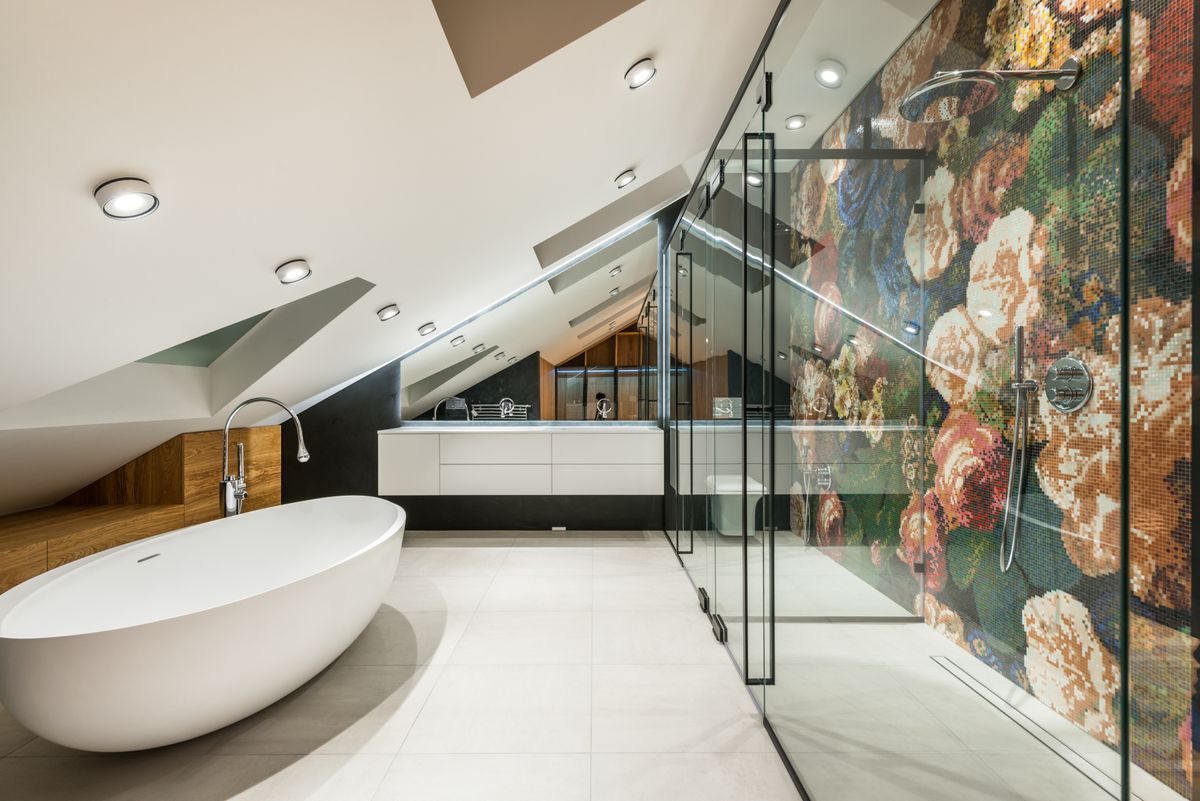
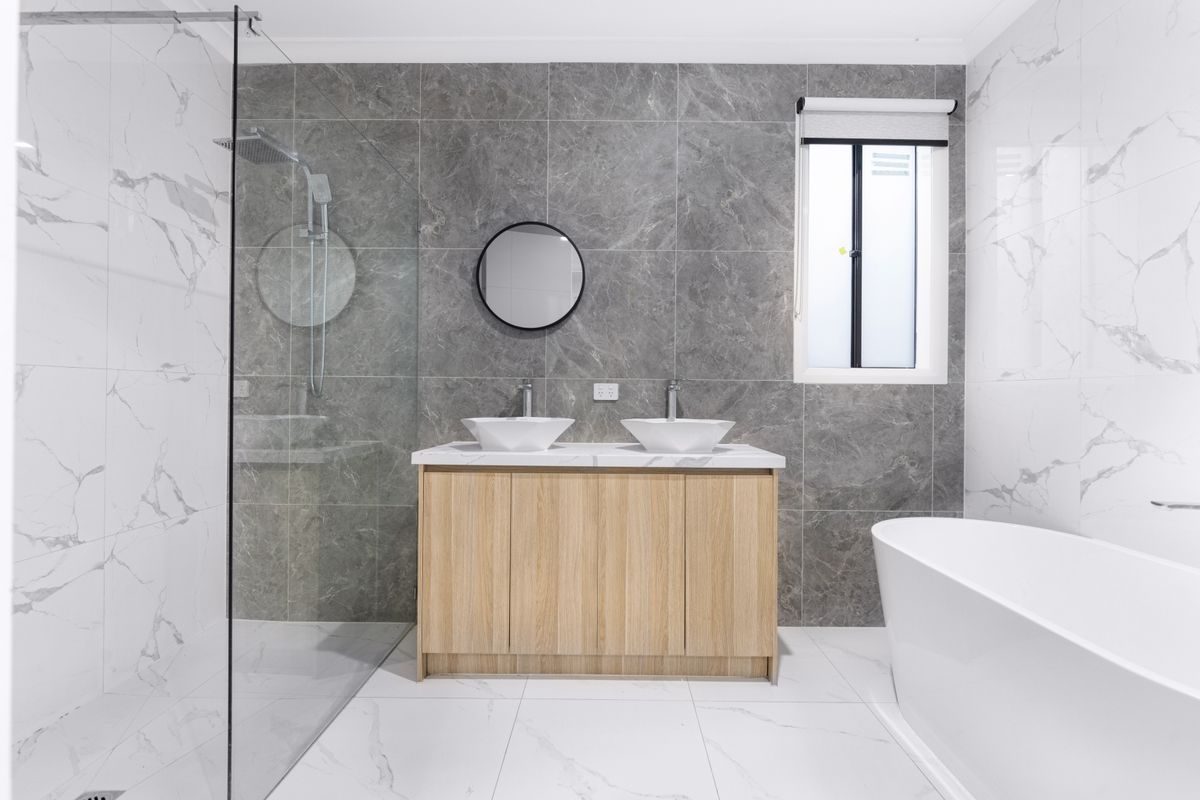
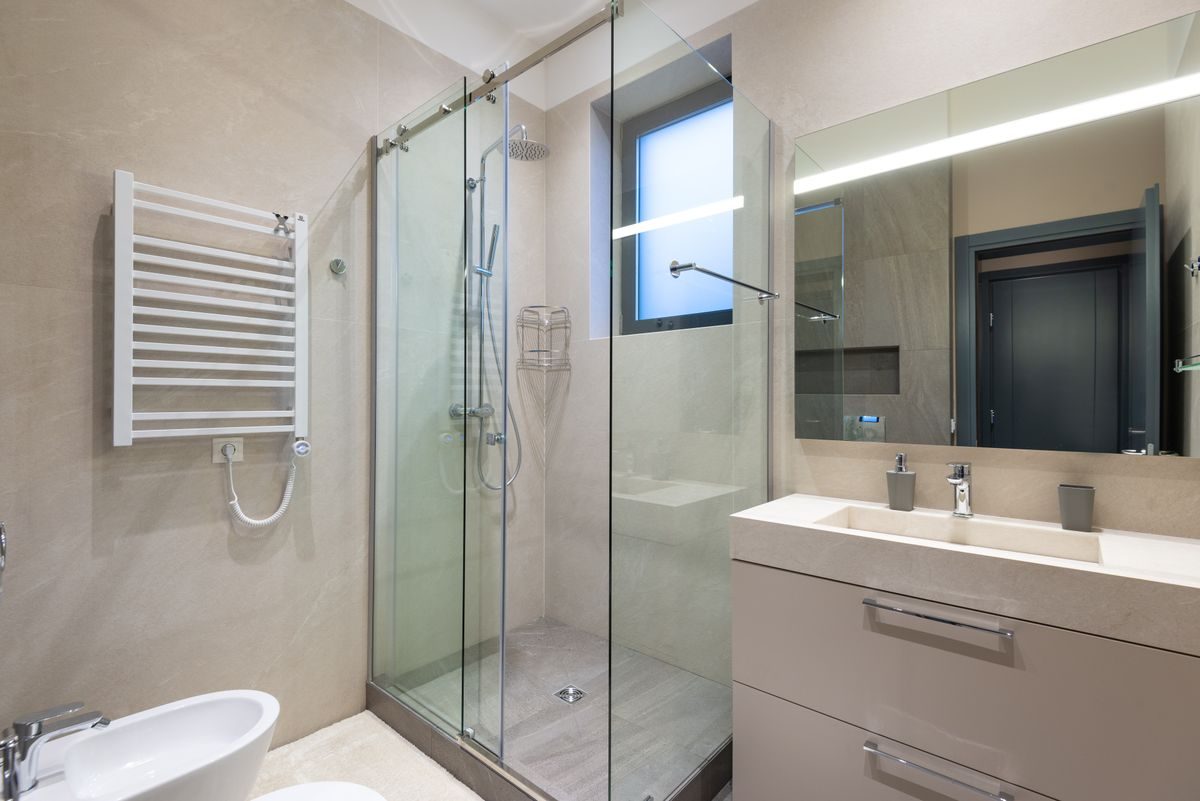
Improving a bathroom layout does not always require a complete redesign. Strategic adjustments, such as repositioning fixtures to improve movement flow, can significantly enhance usability. Popular updates include installing walk-in showers, choosing floating vanities to create a sense of openness, or using pocket doors in smaller bathrooms to maximise floor space. Careful planning helps balance renovation costs with long-term value, ensuring any investment delivers practical and financial benefits.
Conclusion: Investing in a Smarter Layout Can Deliver Long-Term Savings
An outdated bathroom layout can quietly increase running costs through inefficient use of space, water, and energy. Updating the design with modern solutions can improve comfort, sustainability, and the overall value of your home. Careful planning is key to achieving the best results, and in many cases, investing slightly more upfront can lead to meaningful savings and improved functionality in the future.
You might also like
Bathroom Fitters Plymouth