
What You Really Need to Know About Wet Room Installation
Wet rooms are increasingly being chosen by homeowners across the UK, and it’s easy to see why. They are an excellent way to make better use of space, particularly in smaller bathrooms where traditional layouts may feel restrictive. Their clean, minimalist appearance suits modern interior design trends, while also offering the option to create a high-end finish with premium fittings and materials.
Open-plan bathroom layouts have become highly desirable, and wet rooms provide a seamless, uncluttered look that enhances the overall feel of the space. In addition to improving functionality, a professionally installed wet room can also contribute positively to a property’s value. As with any home improvement project, careful planning and setting a clear budget can help ensure the installation runs smoothly.
What is a Wet Room?
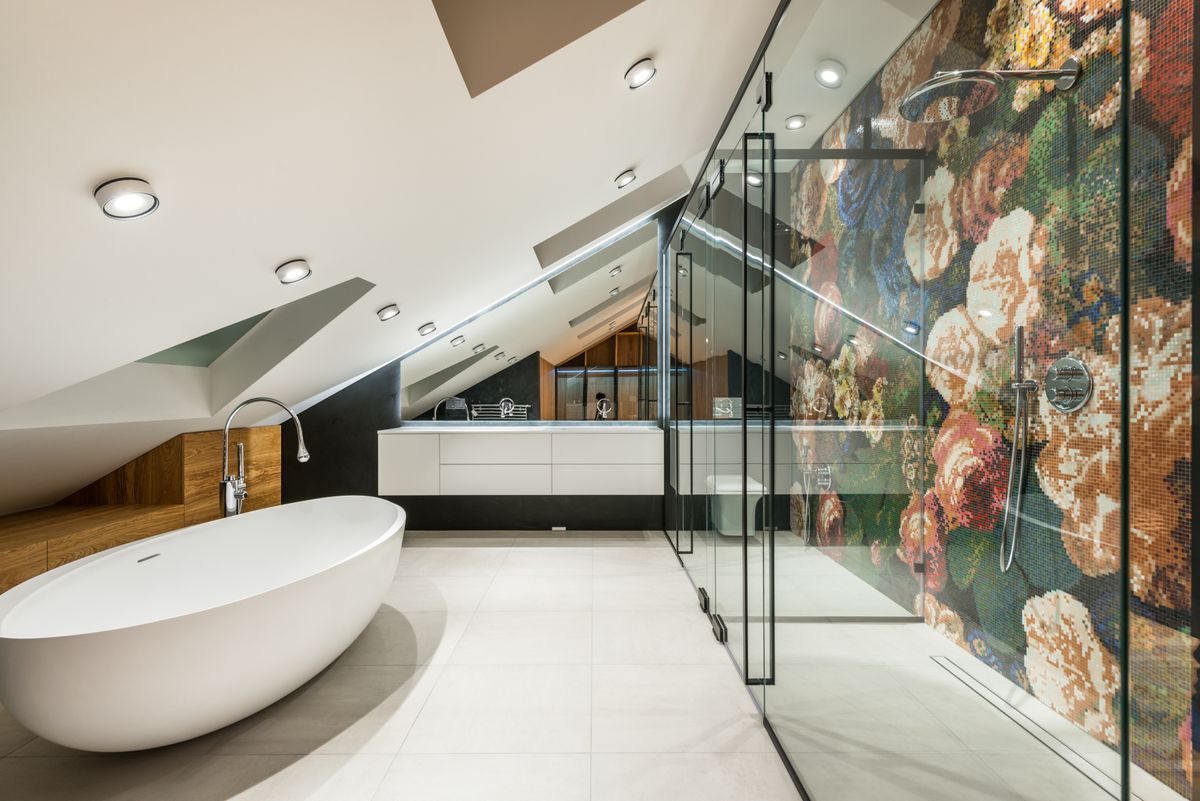
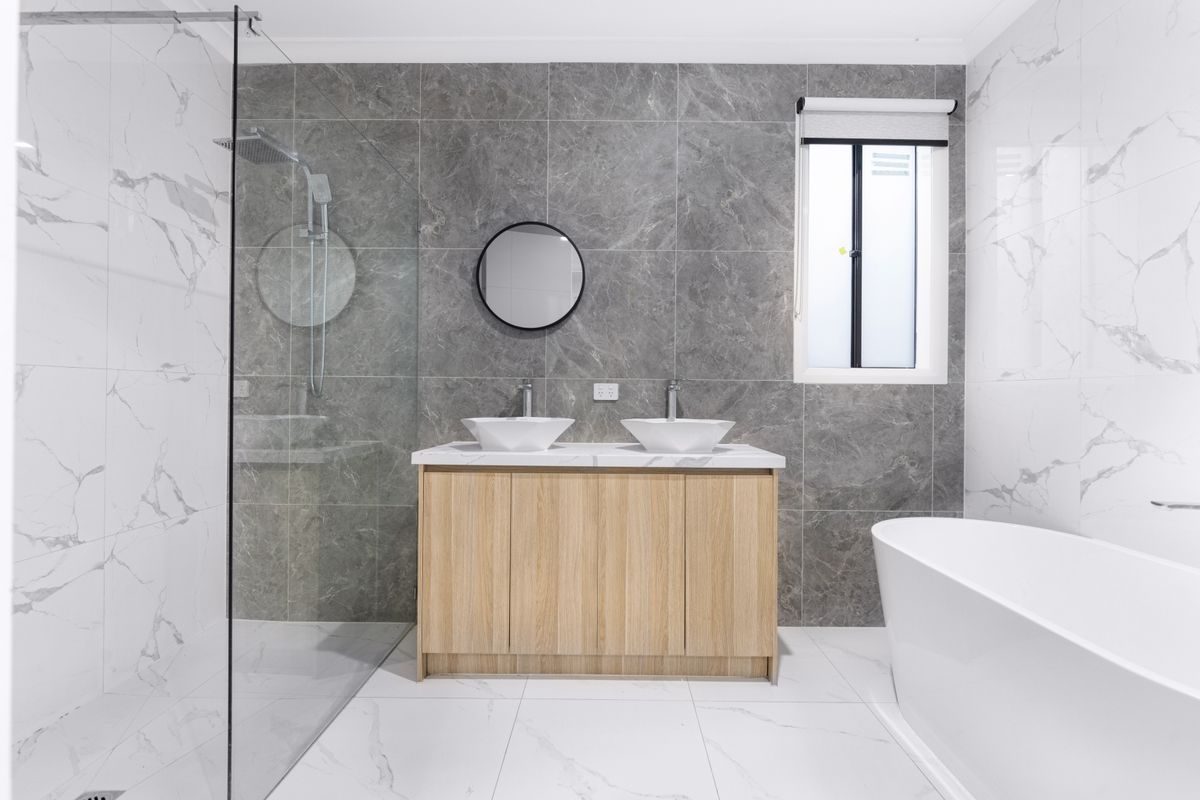
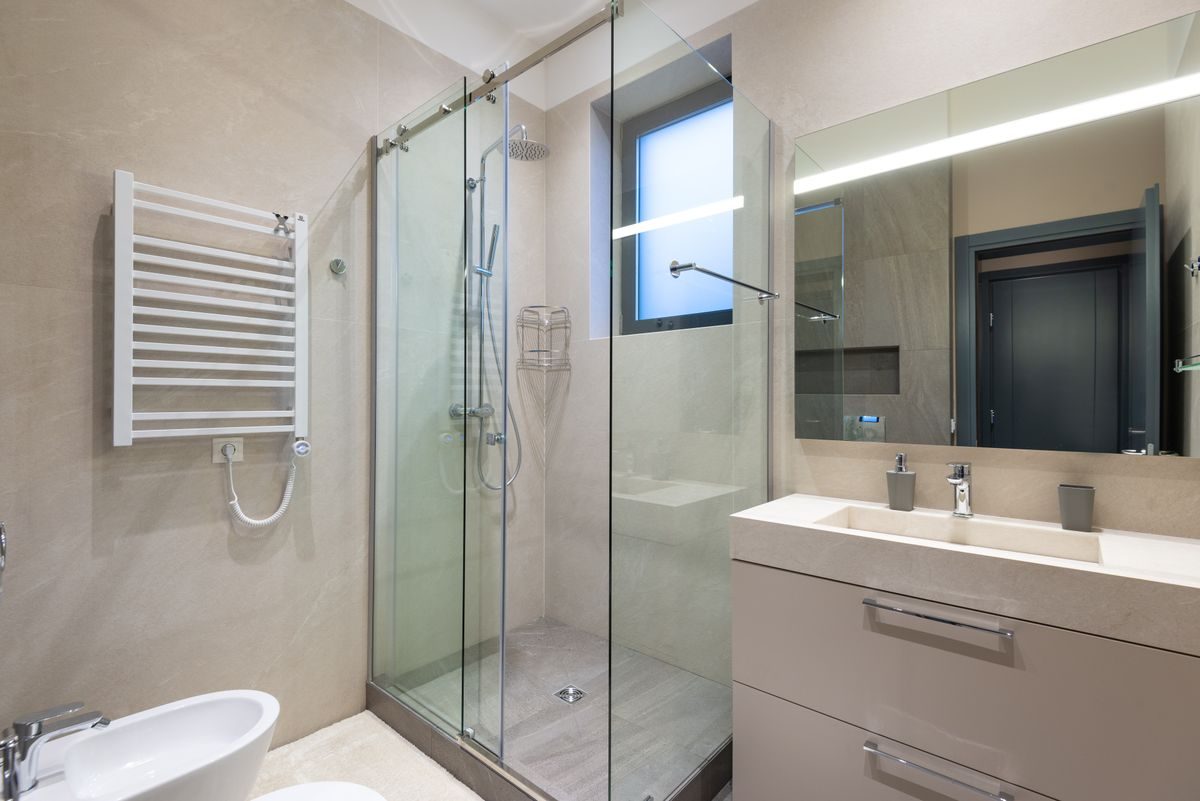
A wet room is a type of bathroom where the shower area is level with the rest of the floor, creating a step-free, walk-in design. The entire room is waterproofed, with protective layers applied beneath the tiles on both the floor and walls. The floor is subtly angled towards a built-in drain, allowing water to flow away efficiently.
Some wet room designs include glass panels to help contain water spray, although this is not always necessary depending on the layout. One of the main advantages of wet rooms is their versatility, as they can be installed in both compact bathrooms and larger spaces.
Typical Cost of Installing a Wet Room in the UK
The cost of installing a wet room can vary depending on several factors. The overall price will often be influenced by the size of the bathroom, the materials selected, and the complexity of the work required. Projects involving structural alterations or premium fixtures are likely to cost more than simpler installations.
While it is possible to install a wet room on a modest budget, choosing high-quality finishes and fittings will increase the total investment. Planning ahead and deciding which features are most important can help you manage costs effectively.
Main Factors That Influence Installation Costs
Choosing experienced professionals is essential when installing a wet room, as proper waterproofing plays a vital role in preventing future issues. A process known as tanking involves applying a waterproof membrane beneath the surface materials to protect the structure from moisture damage.
Correct drainage is another key consideration. The floor must be carefully prepared and angled to ensure water flows efficiently towards the drainage system. In some cases, existing flooring may need adjustment, and plumbing alterations may be required, particularly in older properties or full renovation projects.
Tiles are commonly used in wet rooms due to their durability and water resistance. Popular choices include ceramic and porcelain tiles, while natural stone can create a more luxurious finish at a higher cost.
Fixtures and fittings can also influence the final price significantly. Designer shower fittings, premium controls, and additional features such as underfloor heating can enhance comfort but will increase the budget. Installation typically involves several skilled tradespeople, including plumbers, tilers, electricians, and bathroom specialists.
Conclusion
Wet rooms offer a practical and stylish solution for modern bathrooms, combining functionality with contemporary design. When installed correctly, they provide long-lasting performance and can enhance the overall appeal of a property. With a wide range of materials and design options available, wet rooms can suit both modest budgets and luxury renovations. Careful planning, setting a clear budget, and choosing experienced installers will help ensure a successful project that adds lasting value to your home.
You might also like
Bathroom Fitters Plymouth