
Bathroom Underfloor Heating in Plymouth: Costs, Options, and Is It Worth It?
Bathroom underfloor heating has gone from luxury extra to near-standard request - it now features in roughly 60% of the full bathroom renovations we quote in Plymouth, up from maybe one job in five a decade ago. The maths explains why. An electric mat system for a typical 4m² Plymouth bathroom costs £400 - £700 supplied and fitted as part of a renovation, runs for around 15 - 25p per hour, and removes the need for a radiator eating wall space in an already tight room. Plymouth's housing helps the case too: the city's post-war rebuild homes and dockyard terraces were built with cold, uninsulated ground floors, and the mild but damp South West climate means bathrooms here feel clammy for eight months of the year rather than freezing for three. This guide covers the two system types, honest installation and running costs, and the situations where we'd tell a Plymouth homeowner not to bother.
Electric vs Water-Fed: The Only Big Decision
Everything else about underfloor heating is detail. This choice sets the cost, the disruption, and what the system can realistically do.
Electric (dry) systems use a heating mat or loose cable laid under the floor finish, wired to a thermostat. For a bathroom-sized room they're cheap to install - £400 - £700 fitted in a typical 4m² room during a renovation - and they add only 3 - 6mm to floor height, so doors rarely need trimming. Running costs are the trade-off: electricity costs roughly three to four times as much per unit of heat as gas.
Water-fed (wet) systems circulate warm water from the boiler or heat pump through pipes in the floor. Running costs are 40 - 60% lower than electric, but installation in an existing bathroom runs £1,500 - £3,000 because the floor build-up is 15 - 50mm and the system needs connecting into the heating circuit. For a single small bathroom, that payback almost never stacks up - wet systems make sense in extensions, new builds, or whole-floor projects.
Our honest steer for most Plymouth bathrooms: electric for a renovation of one room, wet only if you're already opening up floors for a bigger project. You can get a room-specific recommendation from Bathroom Fitters Plymouth before you commit to either.
What Underfloor Heating Costs to Install in Plymouth
For an electric system fitted during a bathroom renovation in Plymouth:
Heating mat, 150W/m², for a 3 - 5m² bathroom: £100 - £250 supplied.
Programmable thermostat: £60 - £180 depending on spec - smart models sit at the top end.
Insulation boards (strongly recommended, see below): £15 - £25 per m².
Electrician's connection and labour: £150 - £300.
Typical all-in figure within a renovation: £400 - £700.
Retrofitting into a finished bathroom without other work costs more - £700 - £1,200 - because the floor finish has to come up and go back down. That's why around 90% of the underfloor heating we fit goes in during a full renovation rather than as a standalone job. Plymouth labour rates for this work sit at or slightly below the South West average; the city has a good supply of electricians and bathroom fitters compared to the thinner trade coverage in rural Devon, so waits of more than 3 - 4 weeks for a quote are unusual.
The Part P Point
The electrical connection is notifiable work under Part P of the Building Regulations - a bathroom is a "special location" because of the water. Use an electrician registered with a competent person scheme so the work self-certifies; the government's guidance on when building regulations approval is needed explains the rules, and the NICEIC contractor register lets you verify anyone you're considering. An unregistered installation can hold up a house sale later - we've seen it happen twice in the last year.
Running Costs: The Honest Numbers
A 150W/m² electric mat in a 4m² bathroom draws 600W. At a unit rate of around 25p per kWh, that's about 15p per hour at full output - and with a thermostat and insulation it won't run at full output for long. A typical pattern of two heated hours in the morning and two in the evening costs roughly £15 - £25 a month in winter, less in the shoulder seasons.
Two things drag that number down further. First, a programmable thermostat with a floor sensor means the system heats the room for the 6.45am shower and switches off by 8am, rather than idling all day - timers cut running costs by 30 - 40% against manual use. Second, Plymouth's climate is on your side: the South West is the mildest region in England, with winter lows typically sitting 2 - 3°C above the UK average, so the floor is working against a smaller temperature gap than it would in the Midlands or the North. The government's energy efficiency guidance for your home on GOV.UK is a useful independent reference if you're weighing heating running costs across the whole house, not just the bathroom.
Insulation Boards Are Not Optional
Skipping insulation boards is the most common false economy in underfloor heating. Laid directly onto a concrete slab - which is what sits under most of Plymouth's post-war housing stock - an uninsulated mat loses a large share of its heat downwards into the slab, and heat-up times stretch from 20 - 30 minutes to well over an hour. A 6 - 10mm insulation board costs £15 - £25 per m² and cuts running costs by up to 50% on solid floors. On a 4m² bathroom that's £60 - £100 of material. Fit it.
Why Plymouth Floors Make a Strong Case
Plymouth's housing stock is unusually well-suited to the underfloor heating argument. The city centre and large swathes of Stonehouse, St Judes, and the post-Blitz rebuild areas sit on 1950s - 60s construction with solid concrete ground floors and little or no floor insulation - those floors run cold year-round and pull heat out of a bathroom faster than the walls do. The older dockyard terraces have suspended timber floors with draughty voids underneath, which produce the same cold-underfoot result by a different route.
Add the coastal climate and the case sharpens. Plymouth records around 1,000mm of rain annually against a UK average near 885mm, and relative humidity stays high through the salt-air winters. A damp bathroom with a cold floor is a condensation machine - warm steam meets cold tile and turns straight to water. A heated floor keeps the tile surface above the dew point, so tiles dry in 20 - 30 minutes after a shower instead of staying wet half the morning. That's a genuine mould-prevention benefit here, not just a comfort one. It pairs well with decent extraction and heating - we covered the wall-mounted side of bathroom warmth in our guide to heated towel rails in Plymouth bathrooms, and the two work well together with the rail handling towels and the floor handling the room.
Which Floor Finishes Work Best
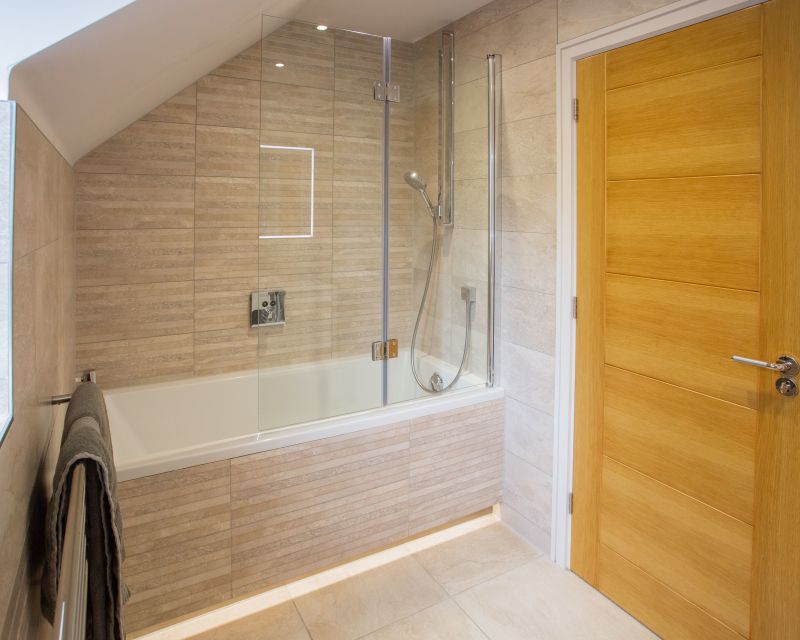
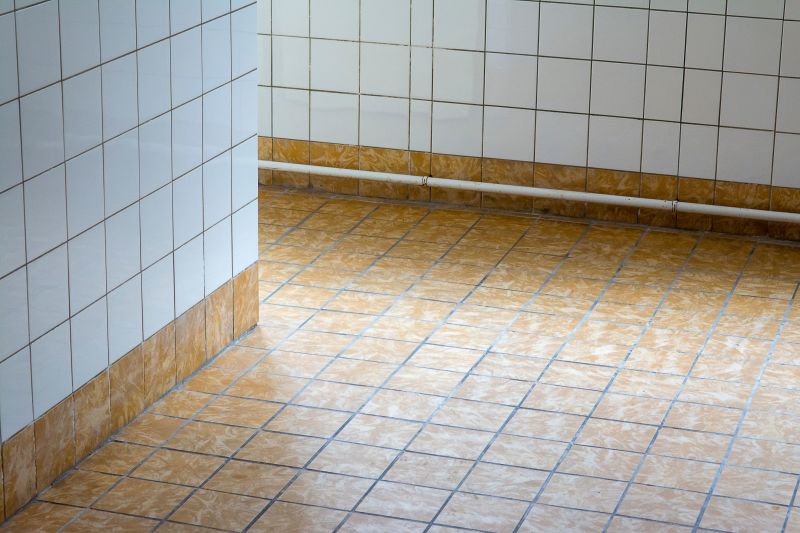
Underfloor heating performance depends heavily on what sits above it. Porcelain and ceramic tile are the best conductors and the standard choice - they transmit heat quickly and hold it well, which is why 80%+ of bathroom underfloor heating goes under tile. Natural stone performs even better thermally but costs 2 - 3 times as much and needs sealing.
Luxury vinyl tile (LVT) works with most systems provided the floor temperature is limited to 27°C - the thermostat's floor probe handles this - and it feels warmer underfoot than tile even unheated, so it needs less from the system. Standard sheet vinyl and laminate vary by product: some are rated for underfloor heating, some aren't, and using an unrated product can void both warranties. Solid timber is the one to avoid in a heated bathroom floor - the combination of heat cycling and bathroom humidity moves it too much.
When It Isn't Worth It
Underfloor heating is a good product sold into some situations where it shouldn't be. We'd advise against it when the bathroom is heated for the whole day rather than in bursts - electric running costs climb quickly beyond 4 - 5 hours daily, and at that usage a plumbed radiator or towel rail is 50 - 70% cheaper to run. It's also marginal as a standalone retrofit in a bathroom you're not otherwise renovating - paying £700 - £1,200 to lift and relay a floor you were happy with rarely makes sense.
And it is not, on its own, a replacement for the room's heating in every case. A 150W/m² mat in a 4m² room delivers 600W - enough as sole heating in a small, reasonably insulated bathroom, but a large or poorly insulated room in a solid-walled terrace may still want a towel rail or radiator alongside. A decent fitter will do the heat-loss sums rather than guessing; ours take about ten minutes and have talked more than one customer out of an unnecessary radiator - and occasionally out of the underfloor heating itself.
---
FAQ
Q: How much does bathroom underfloor heating cost in Plymouth?
A: An electric mat system for a typical 3 - 5m² Plymouth bathroom costs £400 - £700 supplied and fitted as part of a renovation, including the thermostat, insulation boards, and electrical connection. As a standalone retrofit expect £700 - £1,200. Water-fed systems run £1,500 - £3,000 in an existing room and rarely make sense for a single bathroom.
Q: How much does electric underfloor heating cost to run in a bathroom?
A: A 600W mat in a 4m² bathroom costs around 15p per hour at full output. Used on a timer for morning and evening bursts, expect roughly £15 - £25 a month in winter. Insulation boards cut running costs by up to 50% on Plymouth's common solid concrete floors, and timed use saves 30 - 40% against running it manually.
Q: Is underfloor heating worth it in a Plymouth bathroom?
A: For most full renovations, yes - it frees wall space, and in Plymouth's damp coastal climate a warm floor keeps tiles above the dew point so they dry in 20 - 30 minutes rather than staying wet, which genuinely helps against condensation and mould. It's not worth it as a standalone retrofit of a floor you're otherwise happy with, or in bathrooms heated all day where a plumbed radiator is far cheaper to run.
Q: Can underfloor heating replace the radiator in my bathroom?
A: In a small, reasonably insulated bathroom, usually yes - a 150W/m² mat delivers enough heat for rooms around 3 - 5m². In larger bathrooms or poorly insulated solid-walled terraces, you may still want a heated towel rail alongside. Ask your fitter to run a quick heat-loss calculation before deciding.
Q: Do I need a certified electrician to fit underfloor heating in a bathroom?
A: Yes. The electrical connection in a bathroom is notifiable under Part P of the Building Regulations, so it must be done by an electrician registered with a competent person scheme such as NICEIC. Uncertified work can cause problems when you sell the house.
---
You might also like
Bathroom Fitters Plymouth