
Small Bathroom Ideas for Plymouth Homes: Layouts, Storage, and Costs
The average UK bathroom measures around 4.4m², and in Plymouth a big share of them come in smaller than that. The city's post-war rebuild flats and its rows of compact terraces near the dockyard were built when a bathroom was a functional afterthought - many measure 3m² or less, and some are converted box rooms narrower than 1.7m. Yet a well-planned small bathroom in Plymouth costs roughly £4,500 - £7,000 to renovate fully, against £7,000 - £12,000 for a larger room, and it can add 3-5% to a property's value. The gap between a cramped bathroom and a genuinely good small one usually isn't budget - it's a handful of layout and fitting decisions made before anyone picks up a tile. This guide runs through those decisions for Plymouth homes: layouts that work in awkward rooms, the fittings that earn their space, and what each choice actually costs.
Start With the Layout, Not the Suite
Most small bathroom problems in Plymouth homes are layout problems wearing a disguise. The classic mistake is replacing fittings in exactly the same positions because moving pipework feels expensive - when in reality, relocating a basin or toilet within the same room typically adds £300 - £600 to a renovation, and it's often the single change that transforms the space.
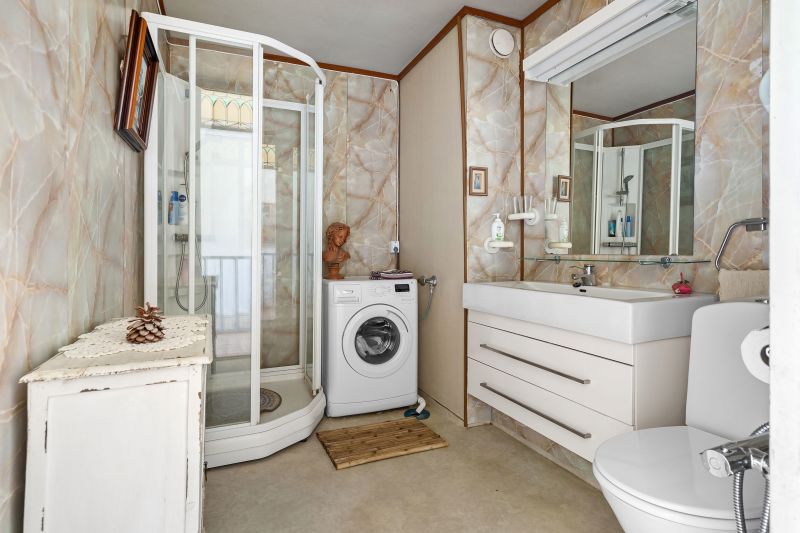
In a typical 1.7m x 2m Plymouth terrace bathroom, three layouts cover most situations. The single-wall layout puts toilet, basin, and bath along one side, keeping all pipework together and leaving a clear walkway - cheapest to plumb and good for narrow rooms. The opposite-walls layout faces the bath off against the toilet and basin, which suits squarer rooms. The corner layout tucks a quadrant shower into one corner and frees up a surprising amount of floor - usually the best option when you're dropping the bath entirely.
If you'd like a second opinion on what your room can realistically take, the team at Bathroom Fitters Plymouth survey small bathrooms across the city every week and can tell you quickly whether a layout change is worth the plumbing cost.
Shower, Bath, or Both in Under 4m²
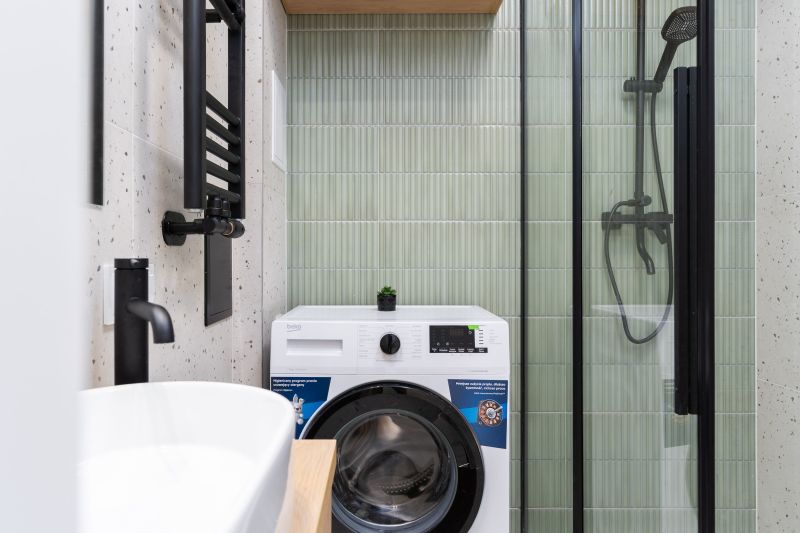
In rooms under 4m², trying to keep both a bath and a separate shower almost never works - you end up with two compromised fittings instead of one good one. Around 60% of UK bathroom renovations now drop the bath in favour of a shower enclosure, and in small rooms the case is even stronger: a 900mm quadrant enclosure occupies roughly 0.6m² of floor against 1.3m² for a standard 1,700mm bath.
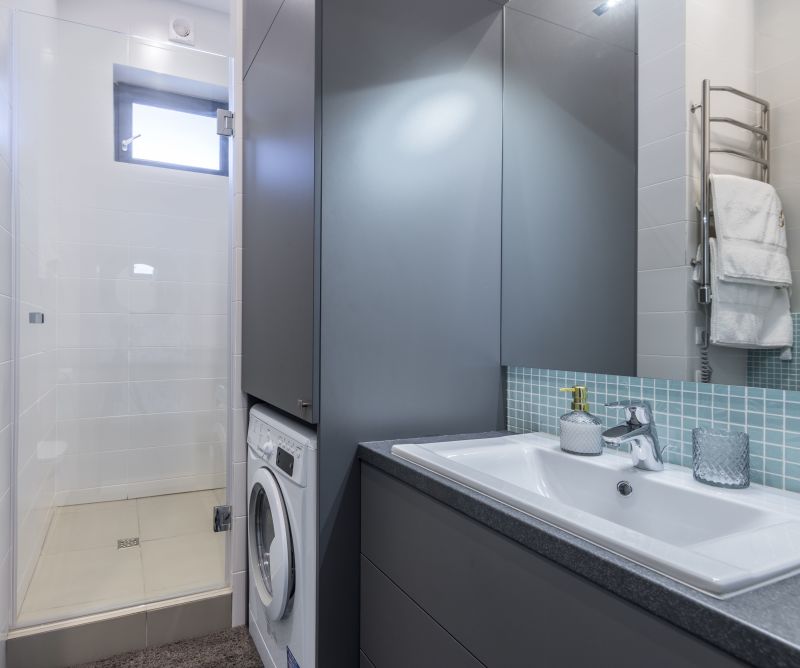
That said, if yours is the only bathroom in a family home, keep a bathing option - estate agents consistently report that family buyers discount homes with no bath. The compromise is a shower bath: an L-shaped or P-shaped bath around 1,500 - 1,700mm long with a glass screen, costing £250 - £500 supplied. It gives a full-size showering area over the bath without claiming any extra floor space.
Wet Room Style for the Smallest Rooms
For genuinely tiny rooms - under 3m² - a wet room style layout with a walk-in screen and no tray upstand can be the most space-efficient option of all, though the waterproofing (tanking) adds £700 - £1,200 to the job. We've covered the full process, costs, and pitfalls in our guide to wet room installation in Plymouth, which is worth reading before you commit either way.
Wall-Hung Fittings and Short Projection Suites
Floor space you can see matters as much as floor space you can use. A wall-hung toilet and basin lift everything off the floor, and the visible run of tiles underneath makes a 3m² room read noticeably bigger. Wall-hung toilets cost £250 - £550 supplied plus a concealed cistern frame at £120 - £250, so expect to pay £300 - £500 more overall than a standard close-coupled setup - worth it in a small room, in our view, and the hidden cistern buries the ugliest object in the bathroom inside the wall.
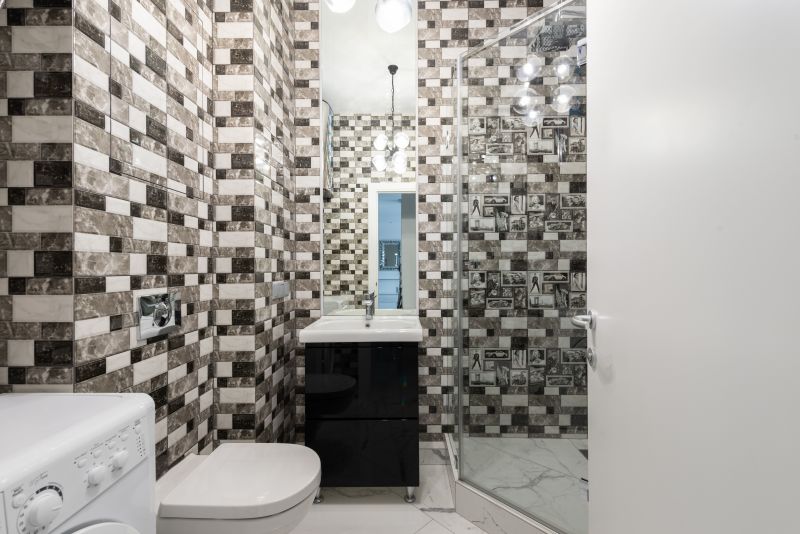
Short projection fittings are the quieter win. A standard toilet projects around 650mm from the wall; short projection models come in at 550mm or less. A cloakroom-depth basin projects 300 - 350mm against 450 - 500mm for a full basin. Shaving 100mm off two fittings sounds trivial on paper. Stand in a 1.7m-wide room and it's the difference between turning around comfortably and knocking your hip on porcelain every morning.
Sliding and Bi-Fold Doors
Door swings eat small bathrooms. An inward-opening 760mm door sterilises around 0.5m² of floor - sometimes an eighth of the whole room. A sliding pocket door (£300 - £600 fitted, if the wall allows it) or simply rehanging the door to open outward returns that space for free. The same logic applies inside the room: bi-fold and sliding shower doors need no clearance, while a pivot door demands 400 - 700mm of empty floor in front of the enclosure.
Storage That Doesn't Steal Floor Space
Small bathrooms fail on clutter more than on size. The rule that works: storage goes up the walls or inside the fittings, never on the floor. A mirrored cabinet over the basin (£80 - £250) does two jobs at once - storage plus the light-bouncing effect of a mirror. A vanity basin unit (£150 - £400) hides pipework and swallows the bottles that otherwise line the bath edge. Recessed shower niches, built in during tiling for £100 - £200, hold shampoo without a single millimetre of projection into the showering space.
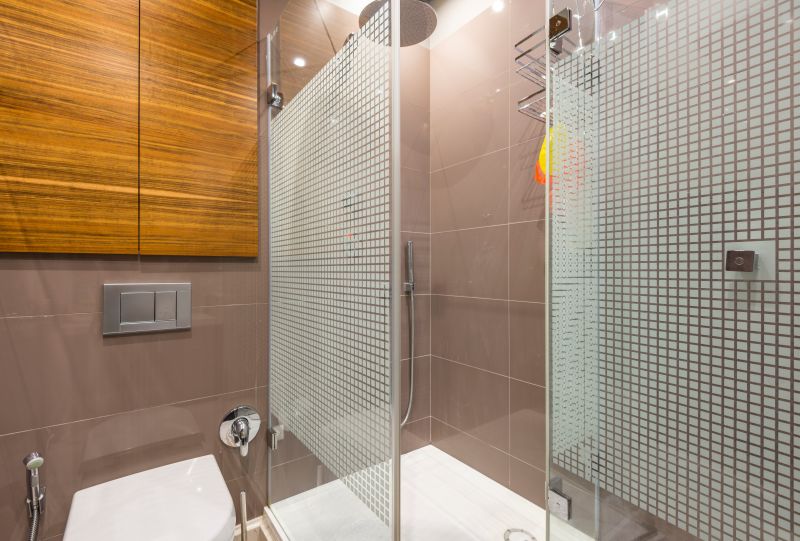
The 200 - 300mm of dead wall over the toilet is the most under-used surface in almost every Plymouth bathroom we see - a slim tallboy or a couple of floating shelves there adds real capacity at zero cost to circulation space. If you're weighing up where the money goes furthest, our guide to bathroom renovation on a budget in Plymouth covers which fittings repay the spend and which don't.
Light, Tiles, and Colour in Compact Rooms
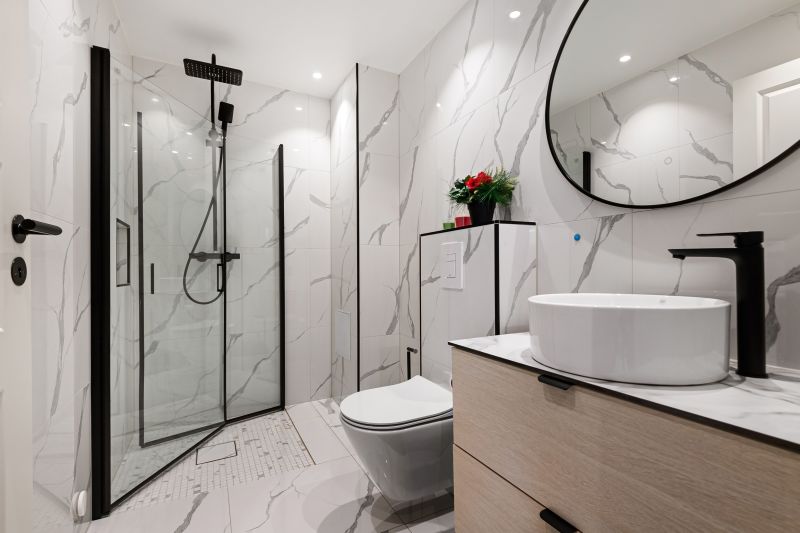
Design choices shift how big a small room feels by a margin most people don't believe until they see it. Large-format tiles - 600mm x 300mm or bigger - mean fewer grout lines, and fewer grout lines mean less visual noise. Running the same tile across floor and walls, or using a large mirror spanning the full basin wall, can make a room feel 20 - 30% larger to the eye. Gloss and light-coloured finishes reflect more of the available light, which matters in Plymouth's terraces where many bathrooms have one small north-facing window or none at all.
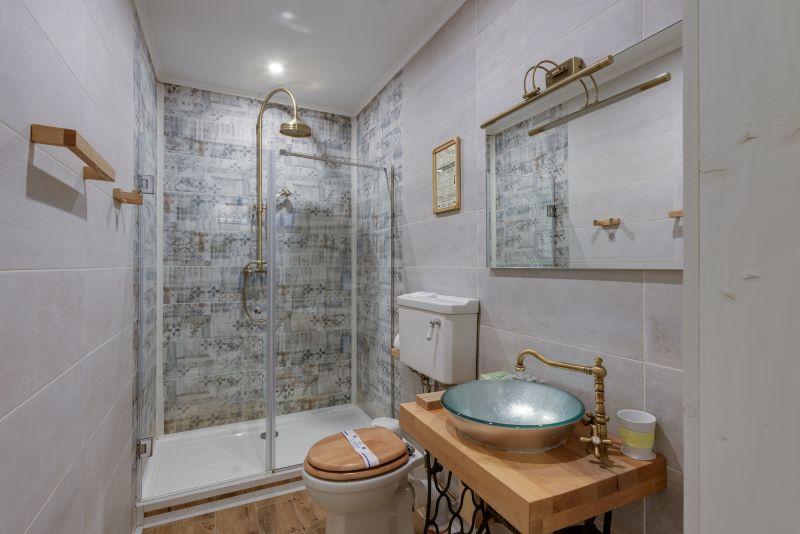
Lighting deserves actual budget, not an afterthought spotlight. Three to four IP44-rated downlights (£15 - £40 each plus fitting), an illuminated mirror (£100 - £300), and a warm colour temperature around 2,700 - 3,000K make a windowless small bathroom feel deliberate rather than apologetic. All bathroom electrical work falls under Part P of the Building Regulations, so use an electrician registered with a competent person scheme - you can check any electrician through the NICEIC's register of certified contractors.
Ventilation and Damp - the Plymouth Factor
This is where Plymouth genuinely differs from most of the country. The South West is the UK's wettest and mildest region - Plymouth sees roughly 1,000mm of rain a year against a UK average of around 885mm, and coastal humidity sits high year-round. A small bathroom concentrates steam into a small air volume, so condensation, black mould on ceilings, and peeling paint show up faster here than in a drier city, particularly in solid-walled pre-war terraces and the concrete-framed post-war stock with cold-bridging issues.
An extractor fan is not optional in a small Plymouth bathroom - building regulations require mechanical extraction where there's no openable window, and a fan rated at 15 litres per second with a humidity sensor or overrun timer (£60 - £150 supplied, £100 - £200 fitted) is cheap insurance either way. Anti-mould bathroom paint and properly sealed grout finish the job. The government's guidance on damp and mould in the home from GOV.UK is written for landlords but explains the health case clearly for any homeowner.
What a Small Bathroom Renovation Costs in Plymouth
Small rooms cost less, but not proportionally less - the labour of stripping out, first-fix plumbing, and tiling doesn't halve just because the floor area does.
Budget refresh (same layout, standard suite, vinyl floor): £3,000 - £4,500.
Full renovation (new layout, shower enclosure, tiled walls, wall-hung fittings): £4,500 - £7,000.
High-spec small bathroom (wet room style, underfloor heating, large-format tiles): £7,000 - £10,000.
Labour typically accounts for 45 - 55% of the total, and Plymouth day rates run slightly below the South West urban average - the city has a healthy supply of bathroom fitters and plumbers compared to rural Devon and Cornwall, where trades are stretched and lead times run longer. Expect a full small bathroom job to take 7 - 10 working days, and get any plumber's credentials checked through WaterSafe's register of approved plumbing businesses before booking.
---
FAQ
Q: What is the best layout for a small bathroom in a Plymouth terrace?
A: For narrow rooms around 1.7m wide, a single-wall layout with toilet, basin, and shower along one side keeps pipework cheap and leaves a clear walkway. For squarer rooms, a corner quadrant shower usually frees up the most usable floor. Moving fittings typically adds £300 - £600 but is often the change that makes the room work.
Q: Should I remove the bath in a small Plymouth bathroom?
A: If it's your only bathroom in a family home, keep a bathing option - a 1,500 - 1,700mm shower bath with a screen gives both functions in one footprint. If you have a second bathroom or rarely bathe, a 900mm quadrant enclosure frees up around 0.7m² of floor compared to a standard bath.
Q: How much does a small bathroom renovation cost in Plymouth?
A: A budget refresh keeping the same layout runs £3,000 - £4,500. A full renovation with a new layout and tiled walls runs £4,500 - £7,000. A high-spec finish with wet room style tanking and underfloor heating runs £7,000 - £10,000. Labour is typically 45 - 55% of the total.
Q: Do small bathrooms in Plymouth need an extractor fan?
A: Yes - and more than most places. Plymouth gets around 1,000mm of rain a year with high coastal humidity, so steam in a small room turns to mould quickly. Building regulations require mechanical extraction in bathrooms without an openable window, and a humidity-sensing fan at 15 litres per second is strongly recommended even with one.
Q: Do wall-hung toilets and basins really make a difference in a small room?
A: Yes. Lifting fittings off the floor exposes more visible floor area, which makes a 3m² room read larger, and a concealed cistern hides bulk inside the wall. Expect to pay £300 - £500 more than a standard close-coupled setup.
---
You might also like
Bathroom Fitters Plymouth