
Choosing Bathroom Tiles in Plymouth: Size, Layout and Maintenance
Tile choice is one of the most visible decisions in a bathroom renovation, and also one of the easiest to get a bit wrong, not because a tile looks bad on its own, but because it doesn't suit the size of the room, the layout, or how much upkeep the household actually wants to do. With a lot of Plymouth's housing stock being smaller terraced and semi-detached properties, tile choice matters more here than it might in a larger new-build bathroom.
Tile Size and How It Affects a Small Room
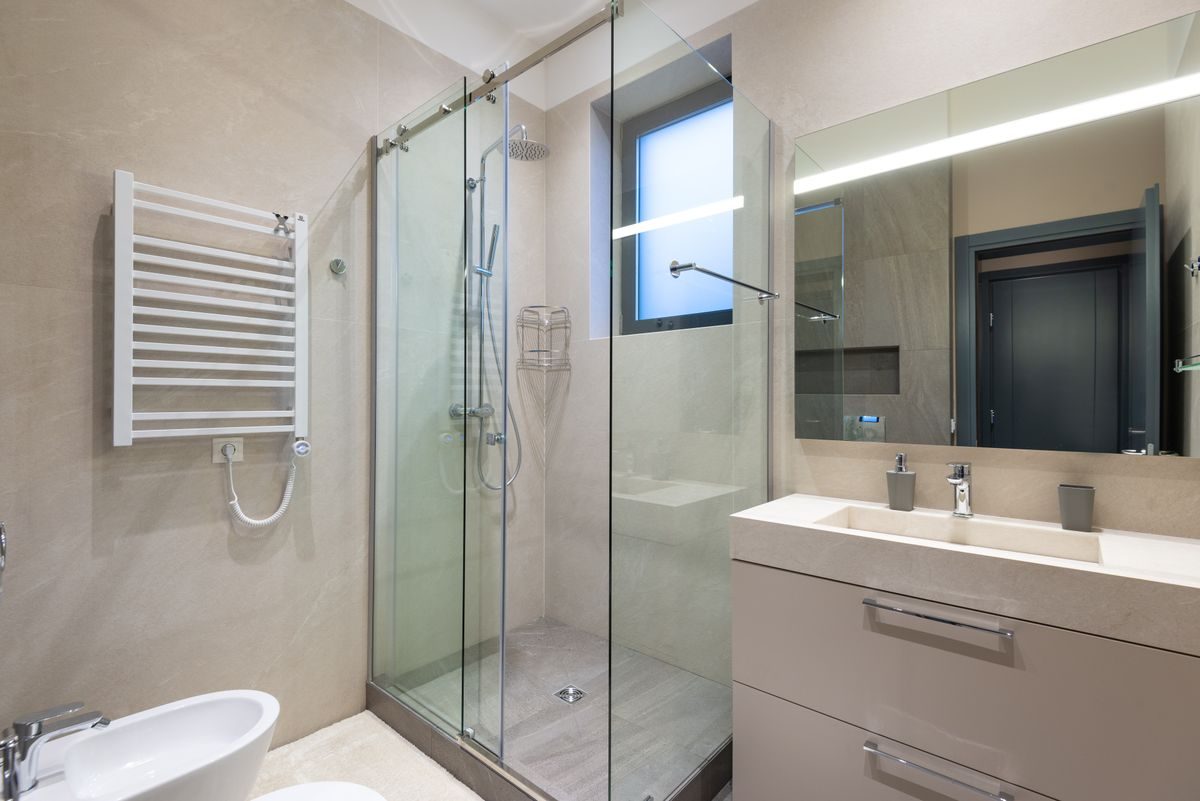
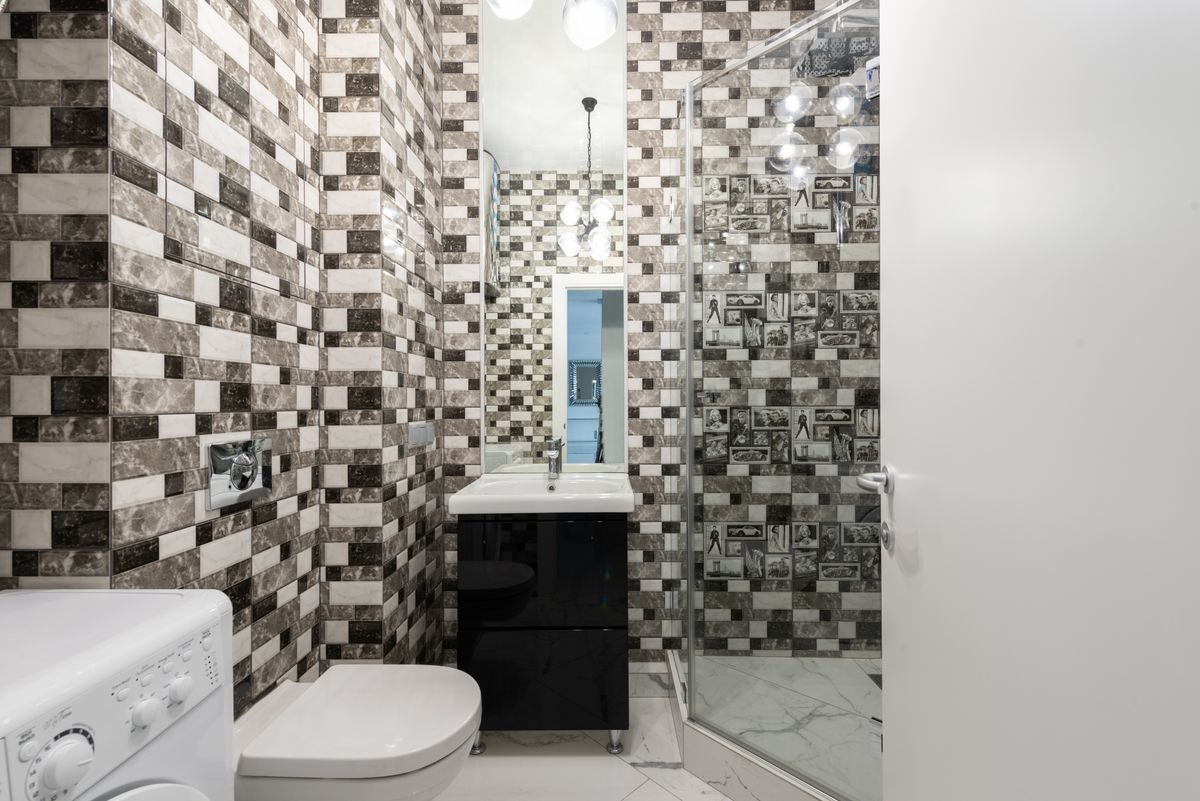
When planning a bathroom layout, Bathroom Fitters Plymouth often steers customers toward larger format tiles for smaller rooms, which sounds counterintuitive but tends to work well: fewer grout lines make a small space feel less broken up, and a large tile can make a compact bathroom feel slightly bigger than the same room tiled in small mosaic-style tiles, which visually chop the space into a grid.
That said, large format tiles (anything from around 600x300mm upwards) need a flatter, more rigid substrate than small tiles do, since they're less forgiving of any unevenness underneath. For older Plymouth properties where the subfloor or walls aren't perfectly flat, this can mean extra preparation work, levelling compound on floors, or boarding out walls, that needs factoring into the quote before settling on a large-format tile.
Wall Tiles vs Full-Height Tiling
Full-height wall tiling (floor to ceiling) gives the most waterproof, low-maintenance result, but costs more in both materials and labour than tiling to a lower height (often around 1.2-1.5m) and using a painted, moisture-resistant finish above that. Full-height tiling makes the most sense in shower enclosures and around baths, where splashing is constant, while a half-height approach can work fine on walls that rarely get wet, like the wall behind a toilet or basin.
Grout: The Detail That Determines How Much Cleaning You'll Do
Grout colour and width get less attention than tile choice but have a big effect on ongoing maintenance. Light grout shows dirt and mould faster than darker grout, particularly in shower areas, and needs more frequent cleaning to stay looking good. Narrower grout lines (achieved with rectified tiles, which have perfectly straight edges) mean less grout overall and therefore less area for mould to take hold, though rectified tiles typically cost 10-20% more than standard tiles with slightly rounded edges.
Epoxy grout, more expensive than standard cement-based grout, resists staining and mould far better and is increasingly common in wet areas for this reason, even though it's trickier to apply and usually adds to the labour cost.
What It Costs
Standard ceramic wall and floor tiles typically cost £20-£40 per square metre, with porcelain ranging from £30-£80 per square metre and natural stone or large-format designer tiles going considerably higher. Tiling labour for a typical Plymouth bathroom (floor plus tub/shower surround, around 15-20 square metres of tiling in total) usually runs £600-£1,200 depending on the complexity of cuts, pattern, and whether full-height tiling is involved throughout.
Timing Tile Choices Around the Rest of the Project
We've covered realistic renovation timelines for Plymouth bathrooms before, and tile choice is one of the decisions that needs making earlier than people expect, ideally before first fix plumbing and electrics, since the tile thickness affects how much the finished floor or wall sits up from the substrate, which in turn affects where pipes and cables need to come through. Choosing tiles late in the project, after these positions are fixed, can mean awkward workarounds that wouldn't have been needed with earlier planning.
Getting the Balance Right
The tiles that work best in a Plymouth bathroom are usually the ones chosen with the room's size, the household's appetite for cleaning, and the rest of the project's timeline all in mind, rather than picked first on looks alone and fitted around afterwards. A slightly less exciting tile that suits the space and is easy to keep clean will generally outlast and out-perform a striking tile that fights the room's proportions.
Planning a bathroom renovation in Plymouth and weighing up tile options? Click here to get in touch.
FAQ
Q: Are large tiles better for a small bathroom? A: Often yes. Fewer grout lines make a small room feel less broken up and can make it feel slightly larger, though large tiles need a flatter substrate, which may add preparation cost in older properties.
Q: Should I tile the whole bathroom floor to ceiling? A: Full-height tiling gives the most waterproof, low-maintenance finish and makes the most sense in shower enclosures and around baths. Walls that rarely get wet can often use a lower tile height with a painted finish above.
Q: Does grout colour really matter? A: Yes. Light grout shows dirt and mould faster, especially in showers. Darker grout, narrower grout lines (with rectified tiles), or epoxy grout all reduce how much cleaning the bathroom needs.
Q: How much does bathroom tiling cost in Plymouth? A: Tiles typically cost £20-£80 per square metre depending on material, with labour for a typical bathroom (15-20 square metres) running £600-£1,200.
You might also like
Bathroom Fitters Plymouth