
Moving Bathroom Plumbing in Plymouth: What's Involved and What It Costs
When people plan a bathroom refit, they usually picture new tiles, a nicer suite, and better lighting. Then the fitter asks where they want the toilet, and the answer is "not where it is now" - and suddenly the job is a different size entirely. Moving bathroom plumbing is the single biggest thing that separates a straightforward refit from a proper renovation. Shifting a basin a few inches is minor; moving a toilet across the room can mean lifting floors and rerouting a 110mm soil pipe. In Plymouth, where so many bathrooms sit in post-war terraces and older homes with tight layouts and dated drainage, this comes up constantly. Costs range from a couple of hundred pounds to reroute a basin up to £2,500 or more for a full waste relocation. This guide explains what's actually involved and where the money goes.
Why People Move Bathroom Plumbing in Plymouth
Older Plymouth bathrooms were rarely designed for how we live now. Many terraced homes in areas like Keyham, Ford, and Mutley have narrow bathrooms with the suite crammed in wherever the original plumbing happened to land in the 1950s. The result is often a cramped, awkward layout that wastes half the room.
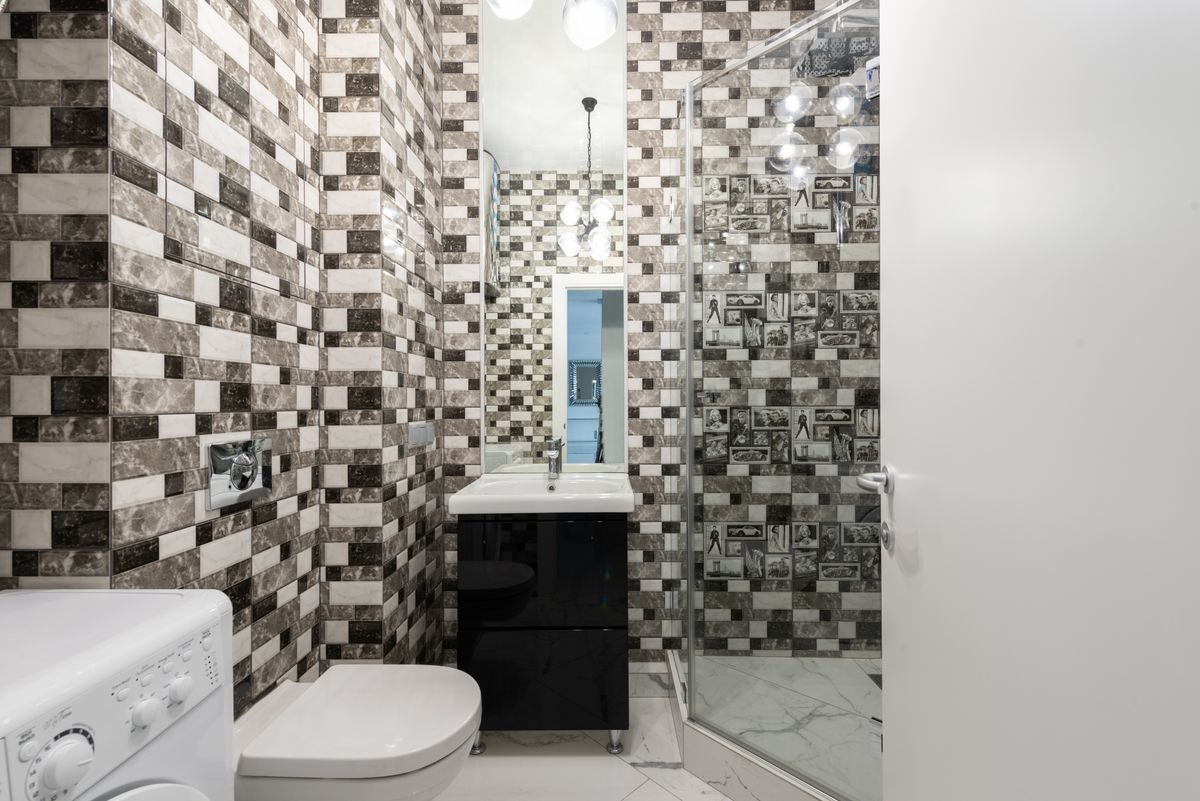
Relocating fittings unlocks the space. Moving the toilet to a wall, swinging the basin to catch better light, or shifting the bath to make room for a walk-in shower can transform how a small bathroom feels. Around 60% of the full bathroom renovations we quote in Plymouth involve moving at least one fitting from its original position.
Before you fall in love with a new layout, it's worth getting someone to check what the existing pipework and drains will actually allow. The team at Bathroom Fitters Plymouth can assess your bathroom and tell you which moves are simple and which ones will add real cost, so you can plan around it.
The Difference Between Supply and Waste
Not all plumbing is equal, and this is the key thing to understand before budgeting.
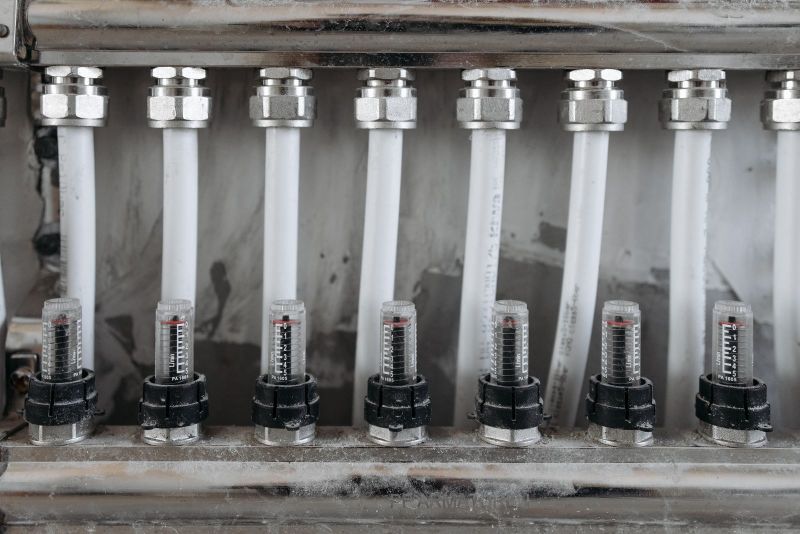
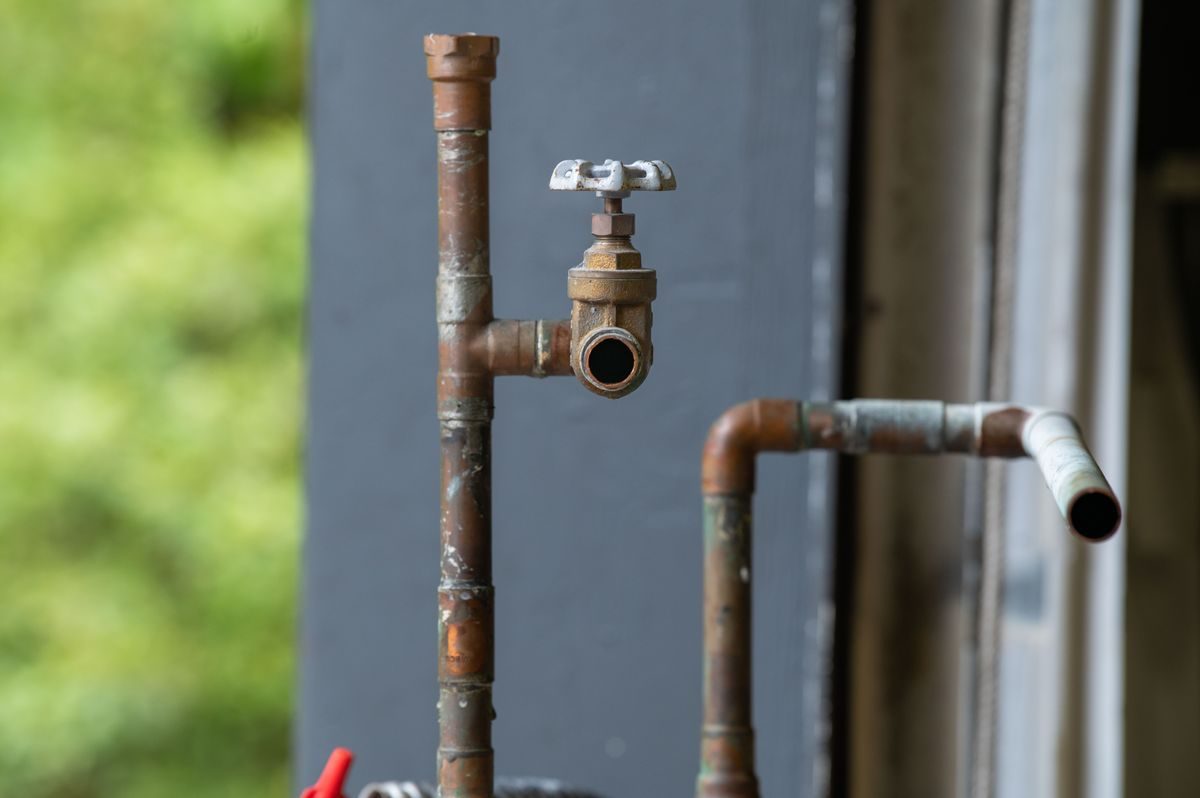
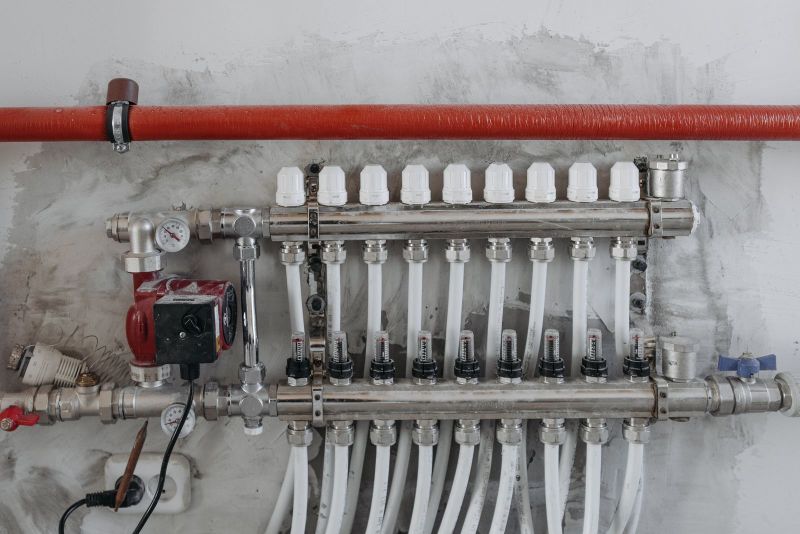
Water supply pipes - the hot and cold feeds - are small (usually 15mm or 22mm), flexible, and relatively easy to extend or reroute. Moving a tap or shower feed a metre across a wall is rarely a big deal.
Waste pipes are the expensive part. A basin or bath waste is 40mm and needs a consistent downward fall to drain properly. A toilet waste is a 110mm soil pipe that needs an even steeper, carefully calculated fall to the stack. You can't just bend it round a corner. Moving waste is what drives cost, because it often means lifting the floor, cutting new runs, and sometimes rerouting the soil stack itself.
Why the Toilet Is the Costly One
Of all the fittings, the toilet is nearly always the most expensive to move. That 110mm soil pipe needs roughly an 18-40mm fall per metre to work reliably, so distance from the existing stack matters enormously. Move a toilet too far from the stack without enough fall and the waste won't clear properly. Where a gravity run just isn't achievable, a macerator (Saniflo-style pump) becomes the workaround - grinding waste and pumping it through narrow 22mm pipe - but it adds £400-£700 in kit, needs an electrical supply, and requires occasional servicing.
What Moving Each Fitting Involves
Here's roughly what each relocation takes in practice.
Moving a basin or taps: the simplest job. Extend the 15mm supply pipes, reroute the 40mm waste, and re-tile. Often done without lifting the floor if the wall cavity allows.
Moving a bath or shower: supply pipes are straightforward, but the waste needs a fall to the existing drain. Usually manageable if you're not moving it far.
Moving a toilet: the big one. Involves rerouting the 110mm soil pipe with the correct fall, almost always lifting the floor, and sometimes altering the external soil stack. This is where a two-day refit becomes a week-long job.
The Floor Factor
In Plymouth's older housing stock, floor type makes a real difference. Suspended timber floors - common in Victorian and Edwardian terraces - are far easier to work under, since pipes can run in the void between joists. Solid concrete floors, more typical in post-war and 1960s builds, mean either chasing channels into the concrete or boxing pipes in above floor level, both of which add labour and cost. Your fitter will want to know which you've got before quoting.
What It Costs in Plymouth
Ballpark figures for plumbing relocation in a Plymouth bathroom:
Moving a basin or taps (short distance): £200 - £500.
Moving a bath or shower waste: £350 - £800 depending on distance and floor type.
Relocating a toilet with a gravity soil connection: £800 - £1,800.
Full waste relocation across the room / new soil run: £1,500 - £2,500+.
Adding a macerator where gravity isn't possible: £1,200 - £2,000 including the unit, pump, and electrical spur.
These sit on top of the cost of the suite and finishes themselves. Labour is the bulk of it - a toilet relocation is typically two to three days of skilled work. Devon and Plymouth trade rates run broadly in line with the wider South West, but demand for good bathroom fitters in the city is steady, so lead times of a few weeks are normal rather than a sign of overpricing.
Regulations, Damp, and Plymouth Quirks
Moving waste plumbing isn't a free-for-all. The fall, pipe sizing, and connections all have to comply with the drainage standards in the government's guidance under Part H of the Building Regulations, and any new WC also needs adequate ventilation. A good fitter builds this in, but it's worth knowing the rules exist so you understand why some layouts cost more to achieve.
Plymouth's coastal position adds a damp factor. Higher humidity than inland Devon means that any bathroom reconfiguration should include proper extraction and moisture-resistant boarding behind tiles - skimping here is a common cause of problems down the line. And in older terraces, be prepared for the occasional surprise once floors come up: dated clay drainage, previous botched alterations, or pipe runs that aren't where anyone expected. A thorough survey up front keeps these from derailing the budget.
If you want to sense-check what's involved before committing, WaterSafe's advice on hiring an approved plumber is a useful read on making sure whoever does the work is properly qualified.
---
FAQ
Q: How much does it cost to move bathroom plumbing in Plymouth?
A: It depends heavily on what you're moving. Relocating a basin or taps costs around £200-£500, a bath or shower waste £350-£800, and a toilet with a new gravity soil connection £800-£1,800. A full waste relocation across the room can reach £1,500-£2,500+. Moving waste pipes is far more expensive than moving supply pipes.
Q: Why is moving a toilet so much more expensive than moving a basin?
A: A toilet uses a 110mm soil pipe that needs a precise downward fall to drain reliably, so it usually means lifting the floor and sometimes rerouting the external soil stack. A basin's 40mm waste and 15mm supply pipes are small and flexible by comparison. The toilet is nearly always the costliest fitting to relocate.
Q: Do I need a macerator to move my toilet?
A: Not usually. Wherever a gravity connection with enough fall to the soil stack is achievable, that's the better, cheaper, more reliable option. A macerator (Saniflo-style pump) is the workaround when gravity isn't possible - it lets you place a toilet almost anywhere but adds £400-£700 in kit, needs electrics, and requires occasional servicing.
Q: Does moving bathroom plumbing need building regulations approval?
A: The drainage work must comply with Part H of the Building Regulations - correct pipe falls, sizing, and connections - and any new or moved WC needs adequate ventilation. A competent fitter builds compliance into the job. It's not something you handle yourself, but it's why certain layouts cost more to achieve properly.
Q: Will my floor type affect the cost of moving plumbing?
A: Yes. Suspended timber floors, common in Plymouth's Victorian and Edwardian terraces, are easier to run pipes under and keep costs down. Solid concrete floors, typical in post-war builds, require chasing channels or boxing pipes in above floor level, which adds labour and cost. Your fitter will check which you have before quoting.
---
You might also like
Bathroom Fitters Plymouth